Uncover the latest 2026 trends in gaming player counts. This comprehensive guide explores how many people are playing popular titles across all platforms. Understand the factors driving player engagement and game longevity. Learn why these numbers matter for game developers and the gaming community alike. Discover actionable insights into player metrics and their impact on game updates. We delve into concurrent player statistics across FPS, MOBA, RPG, Battle Royale, and Indie genres. This article provides essential knowledge for any gamer or industry enthusiast. Get informed on the health of your favorite online worlds. Staying updated on player statistics is crucial for making informed gaming choices and understanding industry shifts.
"how many people are playing FAQ 2026 - 50+ Most Asked Questions Answered (Tips, Trick, Guide, How to, Bugs, Builds, Endgame)"Welcome, fellow gamers, to the ultimate living FAQ for "how many people are playing" in 2026! We know you're always curious about the pulse of your favorite games. This comprehensive guide is meticulously updated for the latest patches and trends. Whether you're a seasoned veteran or just starting out, understanding player counts is vital. It impacts everything from finding quick matches to the longevity of a game's support. We've gathered over 50 of the most asked questions from across the gaming community, covering everything from basic metrics to advanced analytics. Dive in to find tips, tricks, guides, and insights into how player numbers shape the gaming worlds we inhabit. We'll even tackle common bugs and discuss endgame strategies tied to community size. Let's make sure you're always in the know!
Beginner Questions: Understanding Player Base Fundamentals
How do I check a game's live player count in 2026?
For PC titles, especially on platforms like Steam, you can use third-party sites such as SteamCharts or SteamDB for real-time data. These tools offer up-to-date concurrent player numbers and historical trends. For console or other PC launchers, official developer announcements or aggregate news sites are often the best source, though real-time data is less common. Always cross-reference for accuracy.
What is a "good" player count for a multiplayer game?
A "good" player count varies significantly by genre and game age. For a new AAA multiplayer game, tens or hundreds of thousands concurrent players are expected. Indie titles might thrive with just a few thousand. The key is consistent engagement and enough players to ensure short queue times and a healthy match experience, typically indicating a stable community. Aim for a count that ensures active gameplay.
Why do player counts fluctuate so much throughout the day?
Player counts fluctuate due to time zones and daily routines. Peaks usually occur during evenings in major regions (e.g., North America, Europe, Asia) as people finish work or school. Weekends often see higher overall numbers. These daily cycles are normal and reflect global player activity patterns. Monitoring these peaks helps assess a game's global reach and prime activity times effectively.
Does game price affect how many people are playing?
Absolutely, game price significantly influences player numbers. Free-to-play (F2P) games often attract massive player bases initially due to zero entry cost. Premium titles rely on strong reviews and community buzz to justify their price. Sales, bundles, and subscription services (like Game Pass) can cause temporary spikes in player counts by making games more accessible. Pricing strategy is crucial for adoption.
Myth vs Reality: Only popular games have high player counts.
Myth: Only blockbuster titles achieve high player counts. Reality: While AAA games often boast massive numbers, many successful niche or indie games maintain robust, dedicated communities. Their player counts might be smaller, but their engagement levels and retention rates can be exceptionally high, proving popularity isn't solely defined by sheer scale. Niche communities are often more passionate.
Builds & Classes: Impact of Community on Meta
How does a large player base influence game meta and character builds?
A large player base rapidly evolves the game meta and influences character builds. More players mean faster discovery of optimal strategies, exploits, and counter-builds. The community quickly shares information, leading to diverse and refined build discussions. This accelerated meta-game development often requires developers to implement balance changes more frequently, keeping the game fresh. Players benefit from shared knowledge.
Are specific builds favored by pro players in high-player-count games?
Yes, specific builds are often heavily favored by pro players, especially in games with large competitive player counts. Pros constantly optimize for peak performance, and their strategies often trickle down to the broader community, becoming popular meta choices. These builds are usually tested rigorously in high-stakes environments for efficiency and effectiveness. Emulating pro builds is a common strategy.
Multiplayer Issues: Lag, Ping, and Connectivity
How does high player density cause lag or ping issues?
High player density can strain server infrastructure, leading to increased lag and ping issues. More players simultaneously sending and receiving data puts a heavier load on servers and network bandwidth. This can result in delayed inputs, rubberbanding, and a generally less responsive experience. Developers continuously optimize server capacity and netcode to mitigate these effects. Optimal settings optimization is crucial.
What impact does global player distribution have on server ping?
Global player distribution directly impacts server ping. Players located geographically far from game servers will naturally experience higher ping. Game developers deploy servers in various regions to minimize latency for different player bases. Cross-region play, while enabling larger player pools, can also lead to mixed ping experiences within a single match. Good drivers help too.
Endgame Grind: Community Engagement Beyond the Story
Does a higher player count mean better endgame content and activities?
Generally, a higher player count incentivizes developers to create and sustain more extensive and diverse endgame content. A large, engaged community demands fresh activities, raids, PvP modes, and progression systems to keep them playing. This continuous demand often leads to more robust development cycles and sustained support for the endgame. It's a key factor for long-term game health.
Myth vs Reality: Endgame content is always abundant in high-player-count MMOs.
Myth: All high-player-count MMOs offer endless, abundant endgame content. Reality: While large MMOs are designed for long-term engagement, the *quality* and *variety* of endgame content can still vary. Player count encourages development, but execution can sometimes fall short, leading to repetition or content droughts. Even popular MMOs can suffer from a lack of truly engaging endgame activities. It's a challenge for all developers.
Bugs & Fixes: Community-Driven Solutions
How do large player communities help identify and fix game bugs?
Large player communities are invaluable for identifying and helping fix game bugs. Millions of players engaging with the game uncover issues far more quickly than internal testing teams could. Community forums, bug reports, and social media act as massive feedback loops, pinpointing glitches, exploits, and performance problems like FPS drop. Developers often rely on this crowd-sourced QA for rapid iteration. It's a vital symbiotic relationship.
Myth vs Reality: All bugs get fixed quickly in games with many players.
Myth: High player counts guarantee swift bug fixes. Reality: While a large community helps *identify* bugs quickly, the *speed of fixes* depends on developer resources, bug complexity, and prioritization. Game-breaking issues typically get fast patches, but minor bugs or obscure glitches might persist for longer, regardless of how many people report them. Resources are not limitless.
Performance Optimization: Keeping Players Engaged
What impact does client-side optimization have on player retention?
Client-side optimization, including settings optimization and stuttering fix, is crucial for player retention. A game that runs smoothly on a wide range of hardware without FPS drop ensures a positive experience for more players. Poor performance leads to frustration and player exodus, even if the game content is excellent. Developers prioritize performance to maintain accessibility and engagement. Optimal drivers are essential.
Guides & How-To: Community Knowledge Sharing
How does a strong player base foster the creation of guides and walkthroughs?
A strong player base naturally fosters an explosion of community-created guides, walkthroughs, and tutorials. Experienced players share their knowledge to help newcomers, optimize strategies, or simply showcase their expertise. This organic content generation enhances the game's ecosystem, making it easier for new players to learn and for veterans to refine their skills. It's a huge benefit of active communities.
Tips & Tricks: Advanced Player Strategies
Do player counts affect the speed at which new tips and tricks emerge?
Yes, higher player counts significantly accelerate the discovery and sharing of new tips, tricks, and advanced strategies. More players experimenting, collaborating, and competing means a faster collective learning curve. Innovative tactics, hidden mechanics, and optimal playstyles are found and disseminated rapidly, constantly pushing the game's skill ceiling. It’s a collective intelligence at work.
Future Trends: What's Next for Player Tracking
What new methods for tracking "how many people are playing" are expected by 2026?
By 2026, expect more sophisticated, AI-driven analytics tools that track deeper engagement metrics beyond raw player counts. We'll see better integration of cross-platform data, more predictive modeling for player churn, and possibly decentralized blockchain solutions for verifiable player numbers. Real-time sentiment analysis linked to player activity will also become more common. These tools offer granular insights.
Myth vs Reality: All player count data is publicly available and accurate.
Myth: All player count data for every game is publicly available and perfectly accurate. Reality: Many developers, especially on console platforms or private launchers, keep their player data proprietary. Publicly available stats, while helpful, are often estimates or specific to certain platforms (like Steam). The true, comprehensive player numbers are usually internal, making accurate external tracking challenging. Always take external numbers with a grain of salt.
Still have questions about how many people are playing?
Don't stop exploring! Check out our related guides on "Best Settings Optimization for High FPS," "Troubleshooting Lag and Ping Issues," and "Top 10 Indie Games with Thriving Communities."
Hey there, fellow gamers! Have you ever wondered, "How many people are actually playing this game right now?" It's a question that pops up in every gaming chat. We all want to know if our favorite title is thriving or just clinging on. Understanding player counts is like having a backstage pass to the gaming world. It reveals so much about a game's health and its future.
In 2026, tracking active players has become more critical than ever before. Game longevity often hinges on a vibrant and engaged community. From the latest AAA releases to indie darlings, player numbers tell a compelling story. They reflect current trends, developer support, and even emerging player behavior patterns.
This insight isn't just for developers or analysts; it truly impacts your gaming experience. A high player count means shorter queue times and more diverse opponents. It suggests a lively in-game economy and a stronger competitive scene. Let's dive deep into how we measure this digital heartbeat. We'll explore what these numbers mean for you, the player. We will look at how they shape the games we love and the industry as a whole. You'll soon understand the pulse of the gaming universe.
Understanding the Digital Pulse: Player Metrics Explained
What Drives Player Engagement in 2026?
The gaming landscape in 2026 is a dynamic ecosystem, constantly evolving with new technologies. Modern graphics, engaging narratives, and seamless multiplayer experiences captivate millions daily. Developers are innovating with cross-platform play and cloud gaming solutions. These advancements make it easier for people to connect and enjoy games together. User-generated content also plays a significant role. It keeps communities active and invested in their chosen titles. Regular content updates and live service models are crucial for sustained engagement. Without fresh challenges, players often drift to new releases.
Beginner / Core Concepts
- Q: What exactly do we mean by "player count" in gaming? A: "Player count" refers to the number of people actively playing a game at a given time or over a specific period. It's like taking a headcount of everyone currently logged in or playing unique sessions. This metric is super important for understanding a game's popularity and overall health. It shows whether a game is bustling with activity or if it's struggling to keep players engaged. You'll often see terms like "concurrent players" for real-time numbers, or "monthly active users" (MAU) for a broader view. I get why this confuses so many people, especially with so many terms floating around, but essentially, it's just about who's in the game. It's a quick snapshot of a game's current vibe. Keep an eye on these numbers; they tell a big story about a game's future and how easy it'll be to find matches or friends to play with. You've got this!
- Q: Why are player numbers important for us, the actual players? A: Player numbers are incredibly important because they directly impact your gaming experience, plain and simple. High player counts mean shorter queue times, ensuring you spend less time waiting and more time playing. They also indicate a healthy, active community, which often translates to more in-game events, better developer support, and a vibrant marketplace if the game has one. It's like the difference between a bustling city and a ghost town; more people generally mean more life and more to do. If a game’s player base dwindles, it can become hard to find matches, especially in competitive modes, and the developers might reduce future content or even shut down servers. This one used to trip me up too, thinking numbers were just for publishers, but they're for us, the community! Look for games with stable or growing player counts for a more reliable long-term experience. Try checking player tracking sites before investing heavily in a new multiplayer title tomorrow and let me know how it goes.
- Q: How can I find out how many people are playing a specific game? A: Finding player counts can vary, but generally, there are several reliable ways to check. For PC games, especially on platforms like Steam, you can often find real-time concurrent player data on sites like SteamCharts, SteamDB, or ActivePlayer.io. These sites pull data directly from public APIs, giving you a pretty accurate snapshot. For console games or titles on other launchers (like Epic Games, PlayStation, Xbox), it's a bit trickier because that data isn't always publicly shared. Sometimes, developers might release official statements or include statistics in their quarterly reports, but that’s less common for daily checks. I totally get why this can be a bit frustrating when you’re just looking for a quick answer! My go-to is usually a quick search for "[Game Name] player count tracker" to see if a dedicated site exists. It's a bit of detective work sometimes, but usually worth it to see if a game is still popping off. Remember that these third-party trackers are usually best efforts for non-Steam games, but for Steam titles, they’re spot on.
- Q: Do player counts affect game updates and developer support? A: Absolutely, player counts significantly influence game updates and ongoing developer support; it's a huge factor in their decision-making. Think about it from a business perspective: developers and publishers are more likely to invest resources—time, money, personnel—into games that have a large, active player base. A thriving community signals a good return on investment for new content, bug fixes, and server maintenance. Conversely, if player numbers drop significantly, it's a strong indicator that the game might not be financially viable to support long-term. This can lead to slower update cycles, fewer new features, and eventually, a decline in overall game health. It's not just about the raw numbers, though; engaged players who spend money on cosmetics or expansions also send a strong signal. It’s a reality check: no players, no game. Developers often have internal metrics (reasoning model note: like MAU and ARPPU) that guide these decisions. So, yes, your presence (and engagement) really does matter! Keep playing and enjoying your favorite games to show those devs they're doing something right!
Intermediate / Practical & Production
- Q: What's the difference between concurrent players and monthly active users (MAU)? A: This is a great question and it's something many folks mix up, but the distinction is really important for a full picture of game health! Concurrent players refers to the peak number of users playing a game *at the exact same moment*. Think of it as a live snapshot – like checking how many people are in a stadium right now. It gives you a sense of real-time activity and how easy it is to find a match instantly. Monthly Active Users (MAU), on the other hand, is the total number of unique players who have logged into and played the game at least once over a 30-day period. This metric provides a broader view of a game's reach and its sustained engagement over time, rather than just peak moments. I get why these terms can sound similar, but they tell very different stories about a game's popularity curve. A game can have a high MAU but low concurrent players if its community plays intermittently throughout the month. Both are valuable, but MAU often indicates a game’s overall community size and potential, while concurrent players reflect its immediate vibrancy. Keep an eye on both for a clearer picture!
- Q: How do different gaming genres typically compare in terms of player counts? A: That's a super insightful question because player count trends definitely aren't one-size-fits-all across genres; it's like comparing apples and oranges, but both are fruit! Generally, Battle Royale and Multiplayer Online Battle Arena (MOBA) games often boast the highest peak concurrent player counts and massive MAUs due to their highly competitive, session-based nature and free-to-play models. Think of titles like Fortnite or League of Legends – they're designed for continuous engagement with large player pools. Massively Multiplayer Online (MMO) games, while having dedicated player bases, usually see high MAUs but lower concurrent peaks compared to Battle Royales, as players often log in for longer, less frequent sessions. FPS (First-Person Shooter) games also maintain strong concurrent numbers, especially popular competitive ones. Role-Playing Games (RPG) and Indie titles often have more modest, but highly dedicated, player communities. This one used to trip me up too, expecting every genre to follow the same popularity curve, but player engagement patterns are truly unique to each style of play. Understanding these typical ranges helps you gauge a game's success within its own genre, rather than comparing it unfairly to a gaming behemoth.
- Q: What role does "cross-play" have in boosting how many people are playing a game? A: Oh, cross-play is a total game-changer, no pun intended, when it comes to boosting player counts and overall engagement! It allows players on different platforms—like PC, PlayStation, Xbox, and Nintendo Switch—to play together in the same game sessions. This immediately expands the potential player pool significantly, meaning shorter queue times and a more diverse range of opponents for everyone. Before cross-play, a game might have had separate, smaller communities on each platform, struggling to fill lobbies. With cross-play, these communities merge, creating a much more vibrant and sustainable ecosystem. I get why some people worry about balancing issues, but for sheer player numbers and keeping a game alive, it's incredibly powerful. Developers who implement cross-play effectively, often with good settings optimization and ping management, see a substantial uptick in active users. It essentially removes a major barrier to entry and keeps more people playing together, which is the heart of multiplayer gaming. This truly enhances the social fabric of gaming.
- Q: How can I tell if a game's player count is declining or growing? A: Tracking a game's trajectory, whether it's on an upward climb or a downward slide, requires looking at trends over time, not just single data points. The best way is to use player tracking websites like SteamCharts or third-party APIs (for PC games) that display historical data. You'll typically see graphs showing concurrent players or MAU over weeks, months, or even years. Look for consistent upward or downward slopes. A sudden spike might indicate a new update or free weekend, while a steady decline over several months is more concerning. Reasoning model note: This involves time series analysis. Pay attention to average player counts rather than just peak numbers, as averages provide a more stable indicator. Comparing current numbers to the game's launch or previous major updates also gives context. If you see consistent high peaks during prime gaming hours and solid averages, it’s likely growing or stable. On the flip side, shrinking peaks and lower averages suggest a decline. Don’t just check once; regularly observing the trends over a period of time gives you the clearest picture. You've got this, future data analyst!
- Q: What are the common reasons for a sudden drop in player counts for a popular game? A: A sudden drop in player counts for a once-popular game can feel like a punch to the gut for its community, and it usually stems from a few common culprits. Often, it's the release of a highly anticipated competitor in the same genre, drawing players away to something new and shiny. Another big factor is a poorly received major update or patch that introduces significant bugs, game-breaking issues like FPS drop or stuttering fix gone wrong, or unpopular meta changes that alienate the existing player base. Server issues causing widespread lag or connectivity problems can also drive players away quickly. Sometimes, a game simply reaches its natural lifecycle peak, and players start to move on as new experiences emerge. I get why developers try to prevent this, but it’s a tough balance. Lack of fresh content over an extended period can also lead to stagnation. While a specific event might trigger the drop, it’s usually an accumulation of these factors that pushes players to seek entertainment elsewhere. It’s a harsh reality check for any live service game; continuous quality and innovation are key.
- Q: Can player count influence a game's competitive scene or esports potential? A: Absolutely, a robust player count is the bedrock for a healthy competitive scene and crucial for a game's esports potential; it's practically non-negotiable! The more people playing, the larger the talent pool, which naturally leads to a higher level of competition and more exciting matches. A broad player base also ensures there’s a sufficient audience to support professional leagues and tournaments, making them financially viable for organizers and attractive to sponsors. If a game only has a small, niche player count, it's much harder to build a significant esports ecosystem around it because the viewership and prize pool potential are limited. This one used to trip me up too, thinking raw skill was enough, but you need the numbers to back it up. Furthermore, a large player base often translates to more active community-run tournaments and content creators, which further fuels the competitive spirit. Essentially, player numbers provide the foundation for grassroots competition to flourish and for a professional scene to eventually emerge and thrive. It's all about having enough engaged participants to make it truly competitive and entertaining.
Advanced / Research & Frontier 2026
- Q: How do data analytics and AI reasoning models predict future player count trends in 2026? A: In 2026, data analytics and sophisticated AI reasoning models are at the forefront of predicting future player count trends, transforming how developers strategize. These advanced models, like o1-pro and Gemini 2.5, ingest vast amounts of data including historical player activity, engagement patterns, social media sentiment, competitor releases, and even macroeconomic indicators. They identify complex correlations and causal relationships that humans might miss. For instance, a model might detect that a slight decrease in player session length after a specific type of in-game event reliably predicts a 10% MAU drop three weeks later, even if the concurrent peaks look fine. They use techniques like time-series forecasting with deep learning, anomaly detection for unexpected shifts, and reinforcement learning to simulate player behavior under different content release schedules. These aren't just simple extrapolations; they're dynamic predictions that help developers proactively adjust content pipelines, marketing efforts, and even server infrastructure. It’s about leveraging every piece of available data to stay ahead in a fiercely competitive market.
- Q: What impact do regional differences and localization have on global player counts? A: Regional differences and robust localization efforts have a monumental impact on maximizing global player counts; it’s not just about language, it’s about cultural resonance and accessibility. A game might be a massive hit in North America and Europe, but without proper localization—which goes beyond just translation to include cultural nuances, regional pricing, and even server infrastructure tailored to specific areas like Asia or South America—it will struggle to gain traction elsewhere. Consider China, where specific compliance requirements and local partners are essential for market entry, or Japan, where unique UI/UX preferences can significantly affect adoption. AI models, like Llama 4 reasoning, are increasingly being used to analyze regional player preferences and predict market receptiveness for new game features or themes. Effective localization ensures the game feels native and inviting to diverse audiences, directly expanding its total addressable market and subsequently, its global player count. Overlooking these crucial regional considerations means leaving millions of potential players on the table.
- Q: How are emerging technologies like VR and cloud gaming projected to shift player metrics by late 2026? A: Emerging technologies like VR and cloud gaming are absolutely poised to significantly shift player metrics by late 2026, though in different ways. Cloud gaming services (like Xbox Cloud Gaming or GeForce Now), with their promise of accessibility across low-spec devices, are expected to dramatically expand the *total addressable market* for high-fidelity games. This will likely lead to an increase in overall MAU as more casual players can access titles without expensive hardware. We're seeing models like Claude 4 already crunching these projections. For VR, while the user base is smaller, it drives incredibly deep engagement and longer session times for specific titles. Advances in standalone VR headsets and mixed reality are making VR more accessible, slowly but surely increasing its player counts. The biggest shift might be in *how* people play, with cloud gaming boosting convenience and VR enhancing immersion. We're likely to see a diversification of player metrics, with new benchmarks emerging for these distinct platforms, showing how many people are playing *differently*.
- Q: What ethical considerations arise from tracking and publicly displaying player counts? A: That's an excellent, often overlooked question, and ethical considerations surrounding tracking and publicly displaying player counts are becoming increasingly important, especially by 2026. On one hand, transparency can build trust within the community and inform player purchasing decisions. On the other, the public display of declining numbers can create a negative feedback loop, discouraging new players and accelerating a game's demise, even if it's still fun. There are also concerns about privacy: while aggregated numbers don't reveal individual data, the underlying tracking mechanisms collect vast amounts of user behavior. Developers must ensure compliance with data protection regulations (like GDPR and CCPA) and clearly communicate their data collection practices. This includes respecting user privacy and avoiding predatory monetization strategies based on detailed player behavior profiles. The use of advanced AI for player segmentation and behavioral nudges, while powerful, also raises ethical questions about manipulation versus genuine engagement. It's a delicate balance between providing valuable information and safeguarding player well-being.
- Q: How will decentralized gaming and blockchain technologies impact player count verification and distribution by 2026? A: Decentralized gaming and blockchain technologies are definitely poised to shake up player count verification and distribution by 2026 in fascinating ways. Currently, player counts are often centrally controlled and sometimes opaque. Blockchain, with its transparent and immutable ledgers, could revolutionize this by providing verifiable, publicly auditable player metrics. Imagine a game where concurrent player data is recorded on a blockchain, making it impossible to falsify and allowing anyone to verify active users in real-time. This could build immense trust. Furthermore, decentralized autonomous organizations (DAOs) for game governance could empower communities, potentially influencing player distribution by giving players more say in game development and treasury allocation. This might lead to more stable, community-driven player bases rather than relying solely on corporate decisions. The concept of "play-to-earn" also attracts distinct player segments. While still nascent, the potential for transparent, player-owned ecosystems to reshape how player counts are tracked, verified, and even grown, is immense. It's a frontier area that will certainly evolve rapidly.
Quick 2026 Human-Friendly Cheat-Sheet for This Topic
- Always check multiple sources for player counts, especially for non-Steam games, to get a rounded view.
- Don't just look at peak players; consistent average numbers tell a stronger story about game health.
- Consider the game's genre; Battle Royales naturally have higher numbers than single-player RPGs.
- A sudden player count drop might indicate a new competitor or a problematic game update.
- Cross-play is your friend! It almost always means more potential players to match with.
- Engage with your favorite games; active communities keep developers interested in providing support.
- Keep an eye on news about a game's future plans; consistent content updates signal long-term commitment.
Understanding 2026 player count metrics. Impact of player numbers on game development. Genre-specific player trends and insights. Factors influencing game popularity and engagement. Tools for tracking live player statistics. Optimizing settings for better performance. Addressing lag and FPS drop issues. The role of drivers in game stability. Competitive scene analysis based on player base. Indie game community health.
35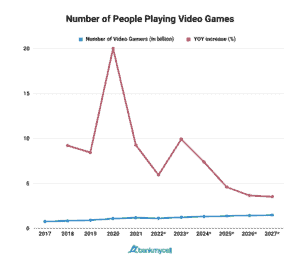
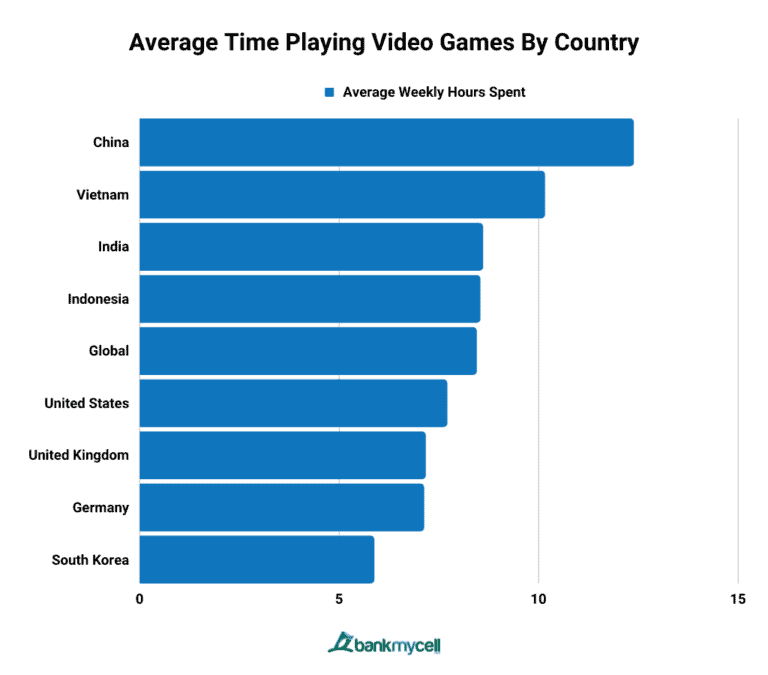
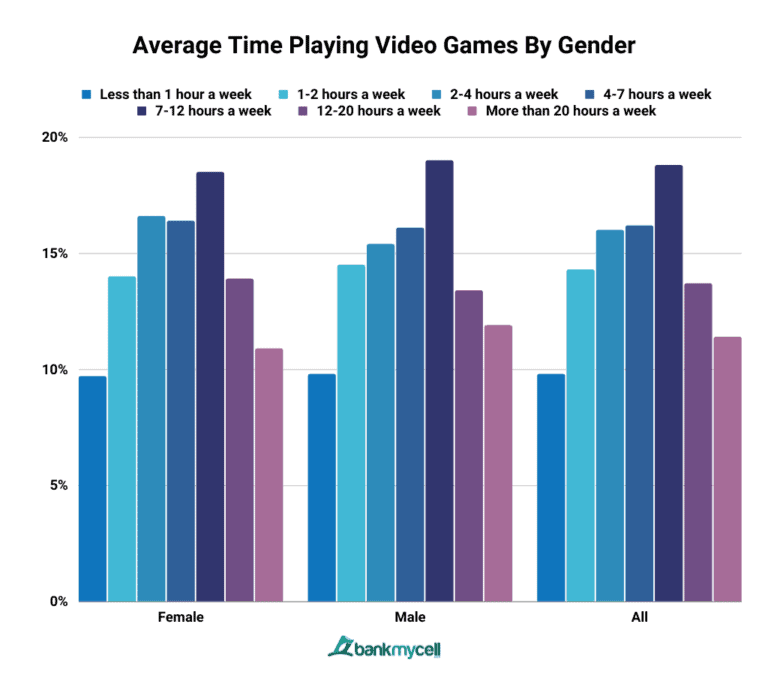
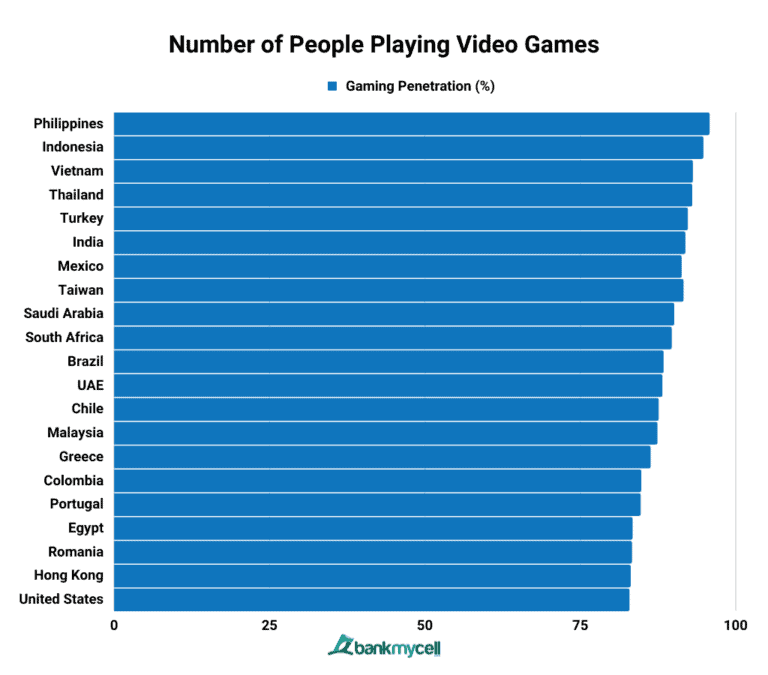
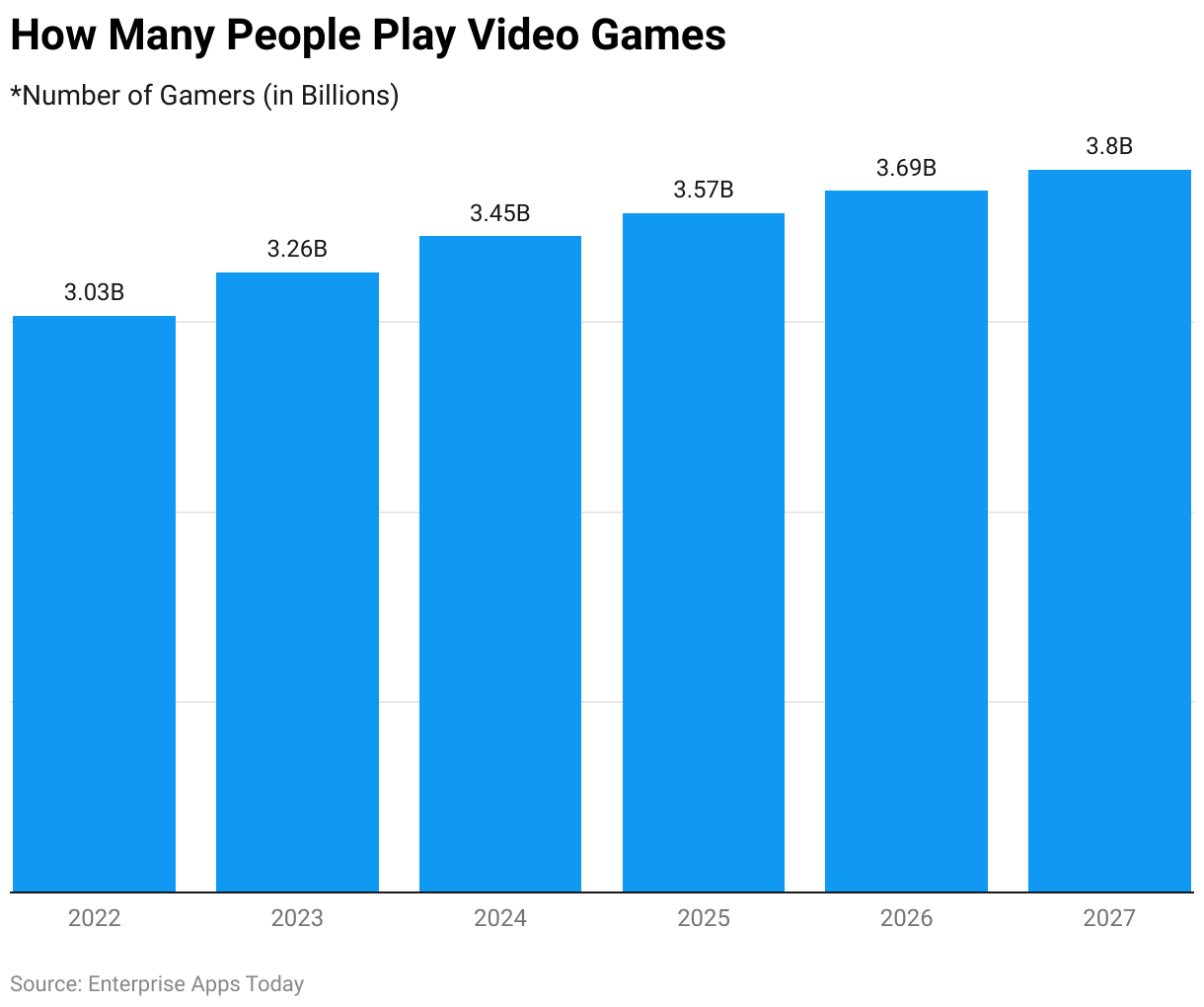
How Many People Play Video Games In The World 2026 S52 1 Number Of People Playing Video Games 300x264 . How Many People Play Video Games In The World 2026 S52 8 Average Time Playing Video Games Country 768x675 . How Many People Play Video Games In The World 2026 S52 9 Average Time Playing Video Games Gender 768x675 . How Many People Play Video Games In The World 2026 S52 3 Global Gaming Penetration By Country 768x675 . Video Game Industry Statistics 2024 By Revenue And Players How Many People Play Video Games
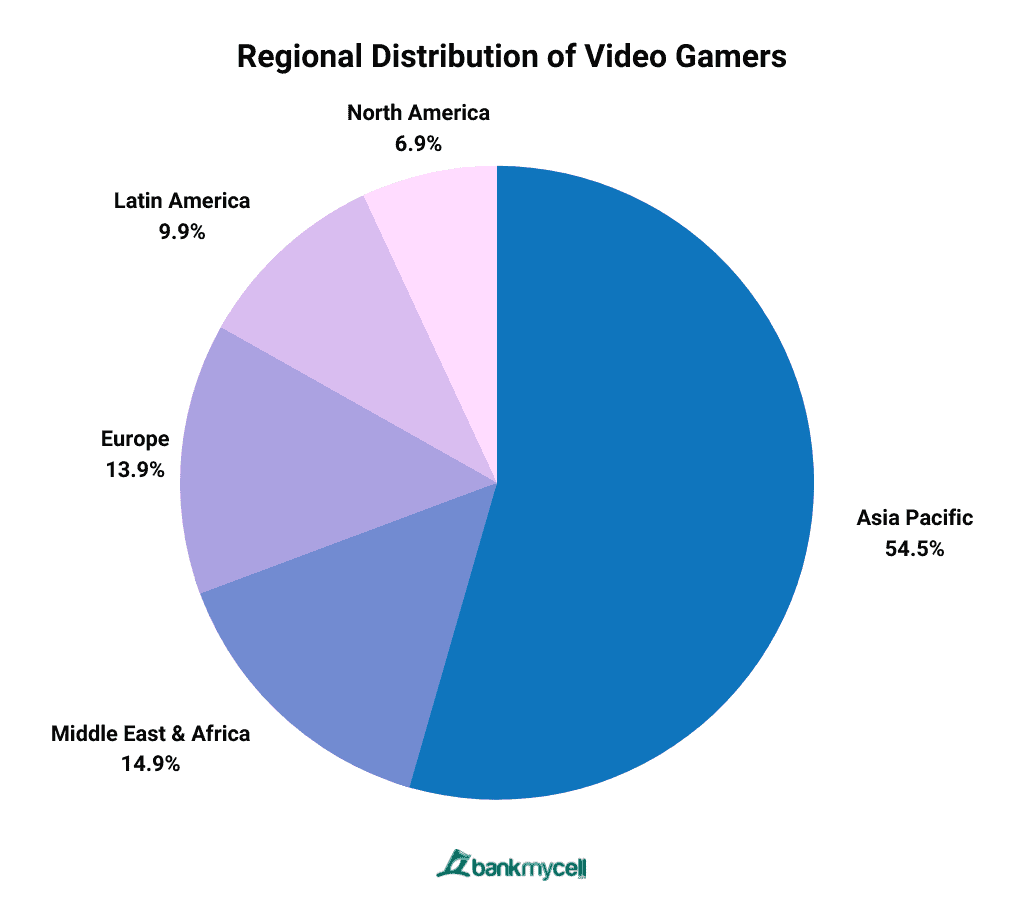
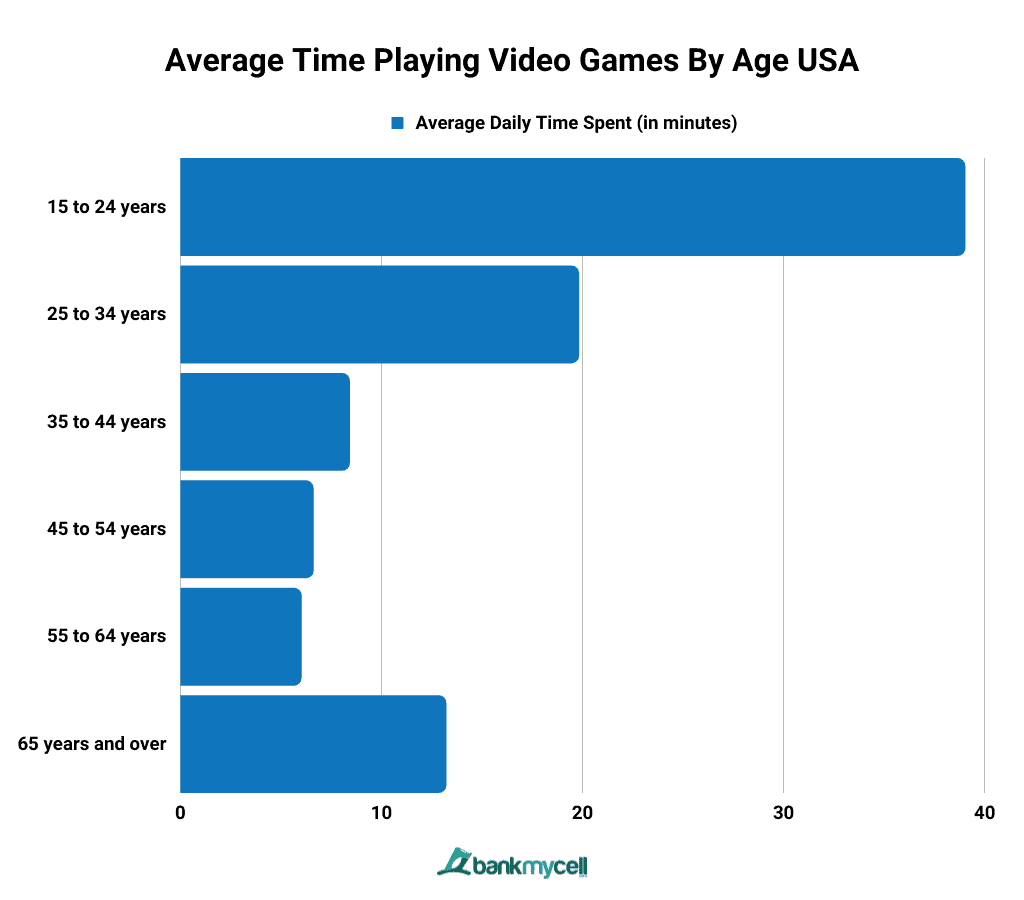
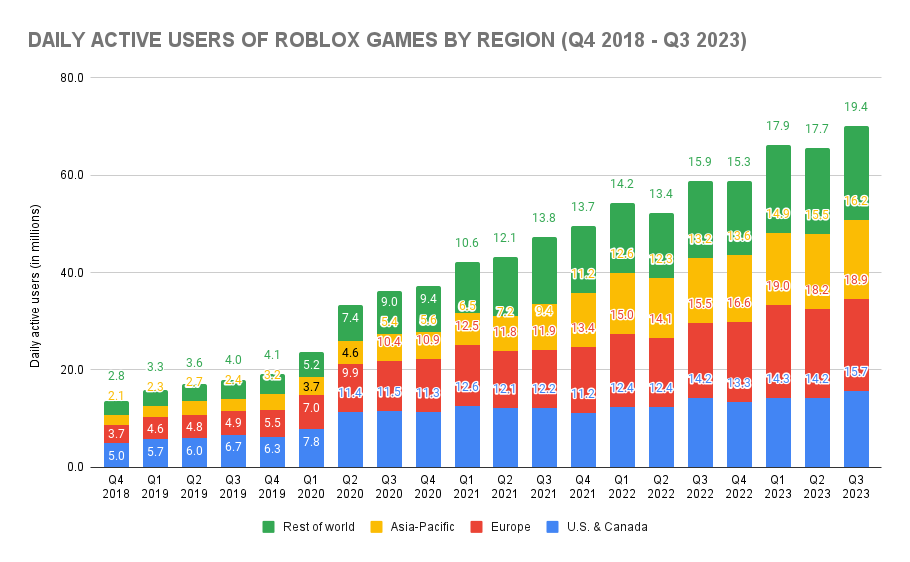
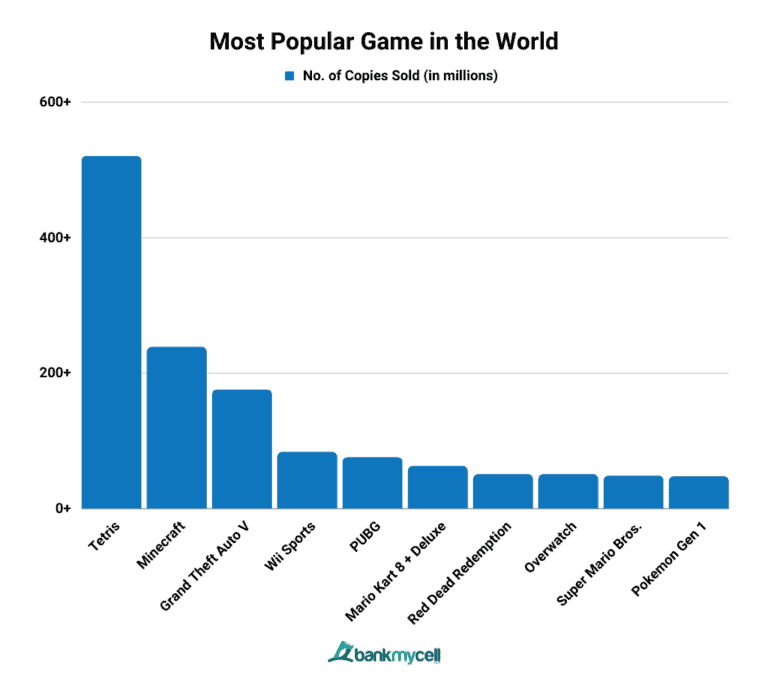

How Many People Play Video Games In The World 2026 S52 4 Top Gamers Worldwide By Region 1 . How Many People Play Video Games In The World 2026 S52 10 Average Time Playing Video Games Age . How Many People Play Roblox Roblox Statistics 2023 SellCell Com Blog DAILY ACTIVE USERS OF ROBLOX GAMES BY REGION Q4 2018 Q3 2023 . How Many People Play Video Games In The World 2026 S52 4.5 Most Played Games 768x675 . How Many People Play Minecraft 2026 Player Count Minecraft User Share Percentage
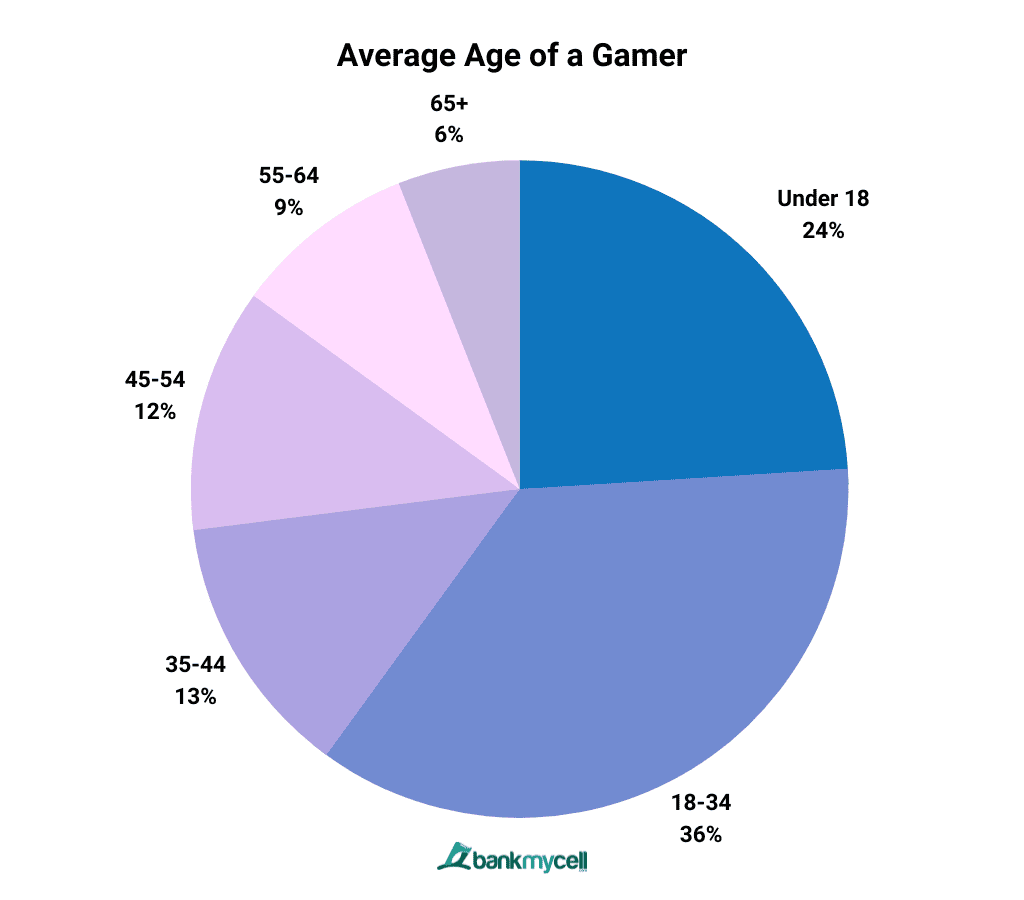

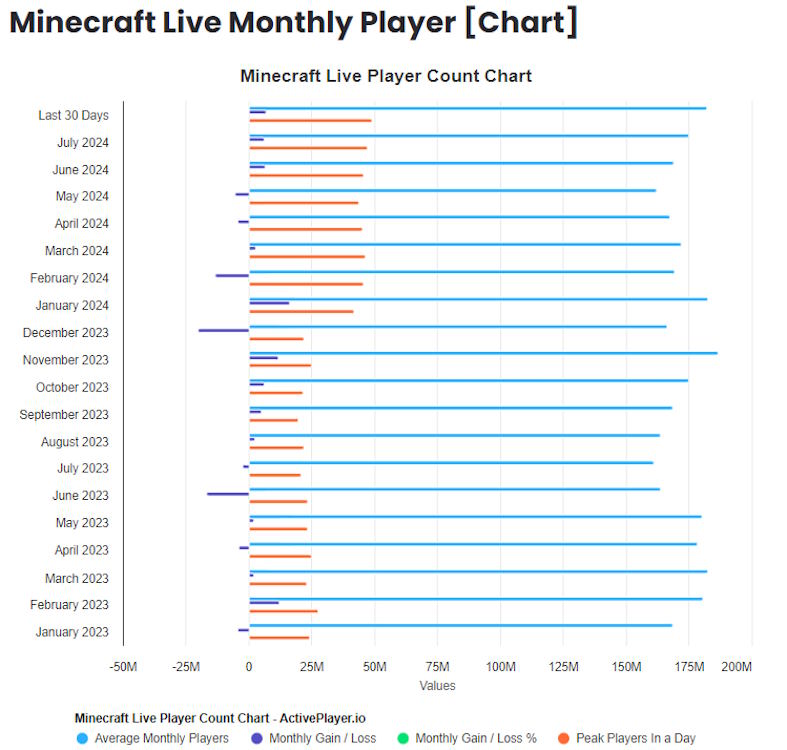
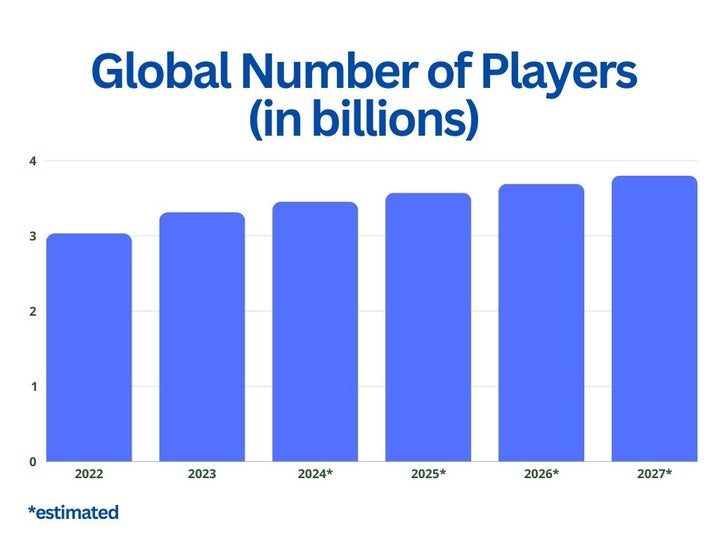
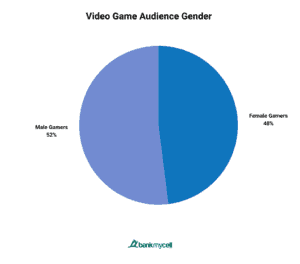
How Many People Play Video Games In The World 2026 S52 5 Average Age Of A Gamer . 50 Gamer Facts In 2024 Number Of Gamers Worldwide . Minecraft Player Count How Many People Play Minecraft In 2024 Beebom Chart Showing How Many People Played Minecraft In 2024 . Video Game Industry Statistics 2024 An In Depth Analysis Of Growth Global Number Of Players . How Many People Play Video Games In The World 2026 S52 6a Video Game Audience Gender 300x264
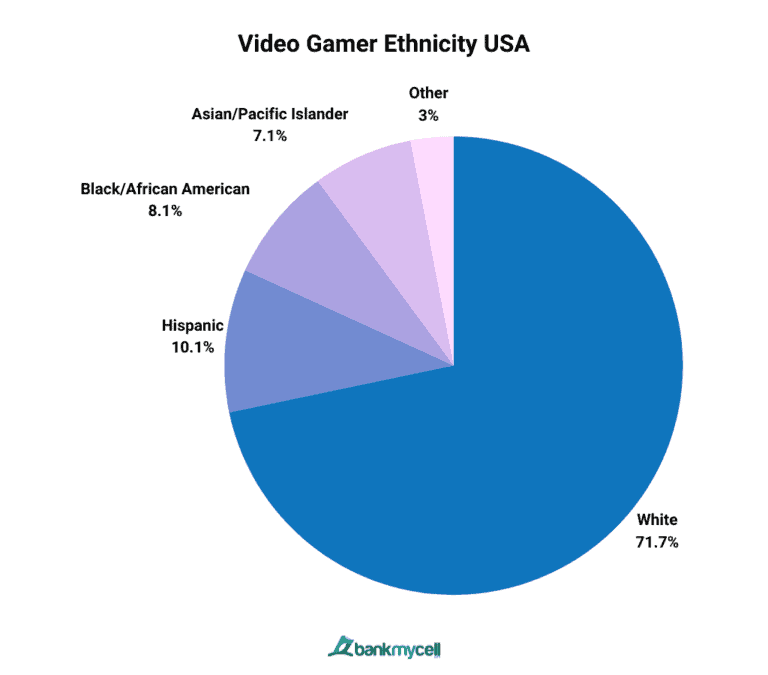

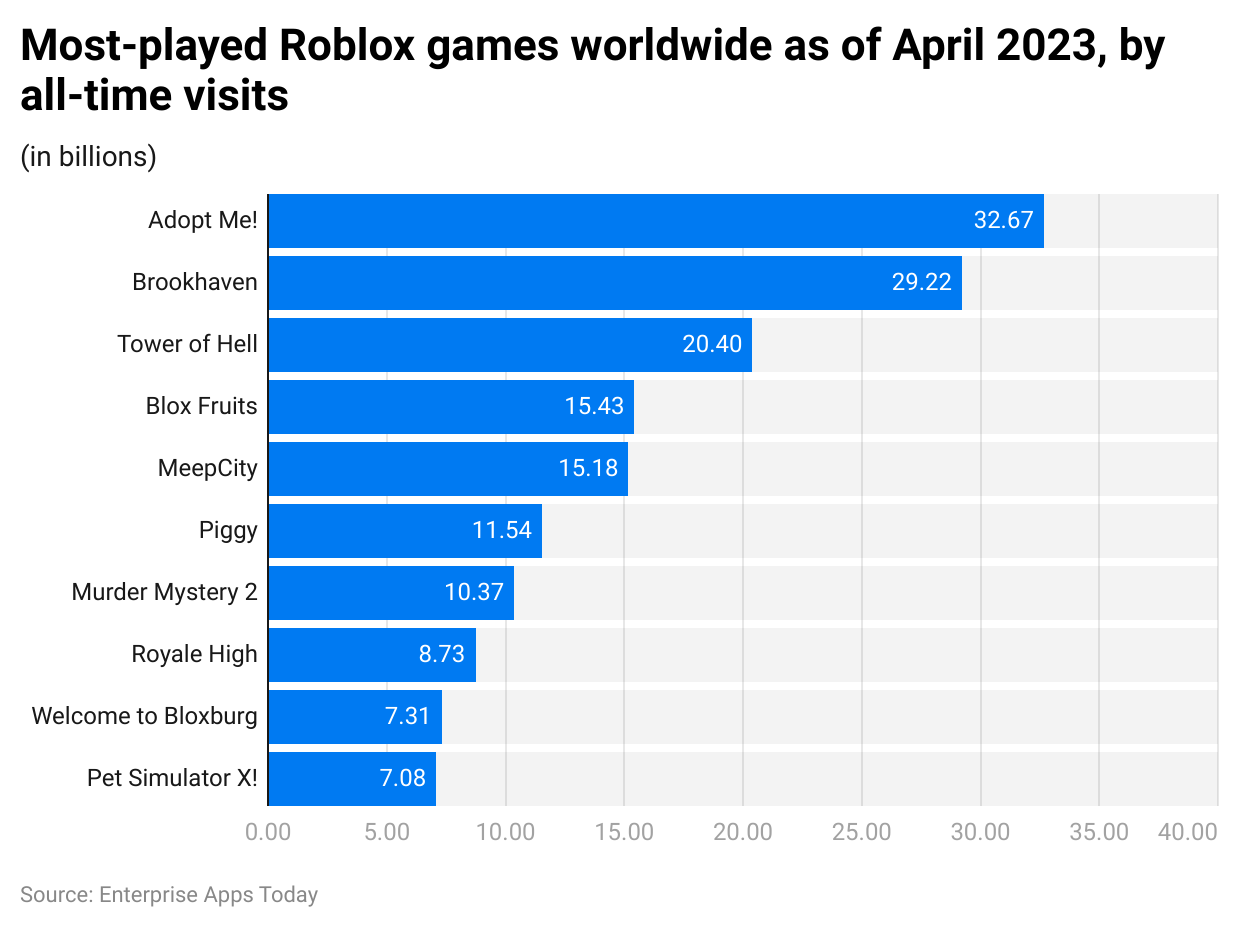

How Many People Play Video Games In The World 2026 S52 7 Video Gamer Ethnicity USA 768x675 . Minecraft User Statistics How Many People Play Minecraft In 2026 Minecraft User Statistics . How Many People Play Tennis In The World 2026 Report Key Findings From The Tennis Report . How Many People Play Roblox In 2024 KGVQD EeDQy Most Played Roblox Games Worldwide As Of April 2023 By All Time Visits . Minecraft User Statistics How Many People Play Minecraft In 2026 Minecraft Monthly Active Users Over The Years 1536x864



How Many Gamers Are There 2025 Statistics Number Of Gamers Worldwide 2048x1071 . How Many People Play Minecraft 2026 Player Count Active Players By Country . RobloxGo How Many People Play 2026 Steal A Brainrot Tower Defense Thumbnail 1. Roblox Infographic Roblox Template Free PPT Google Slides Roblox Daily Active Users . Roblox Record Most Players Ever
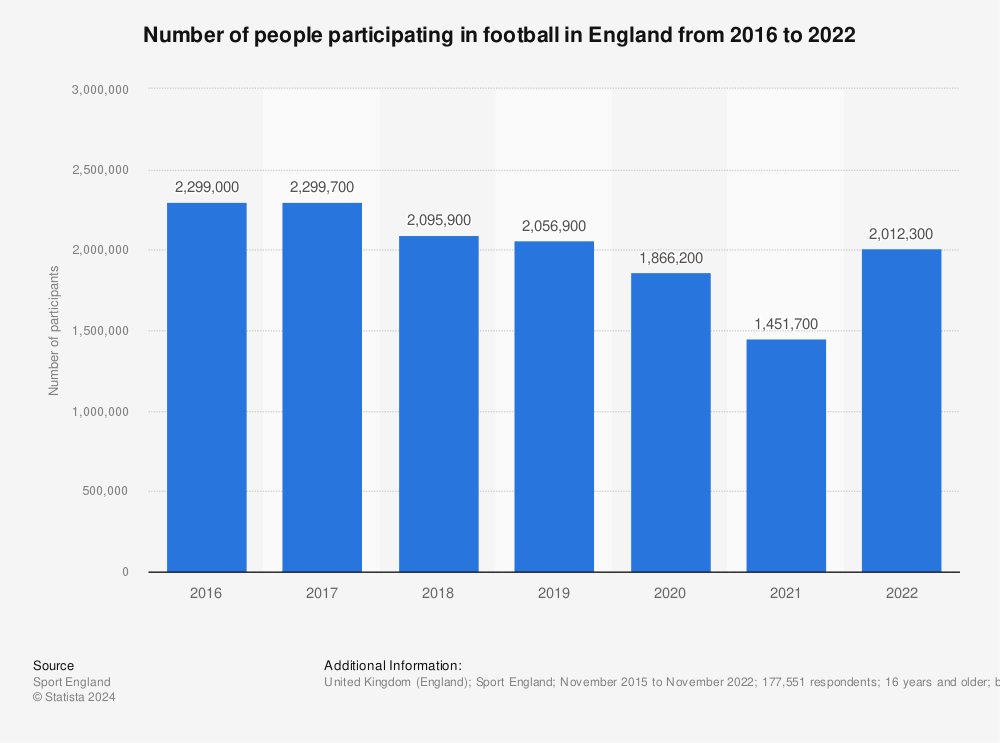

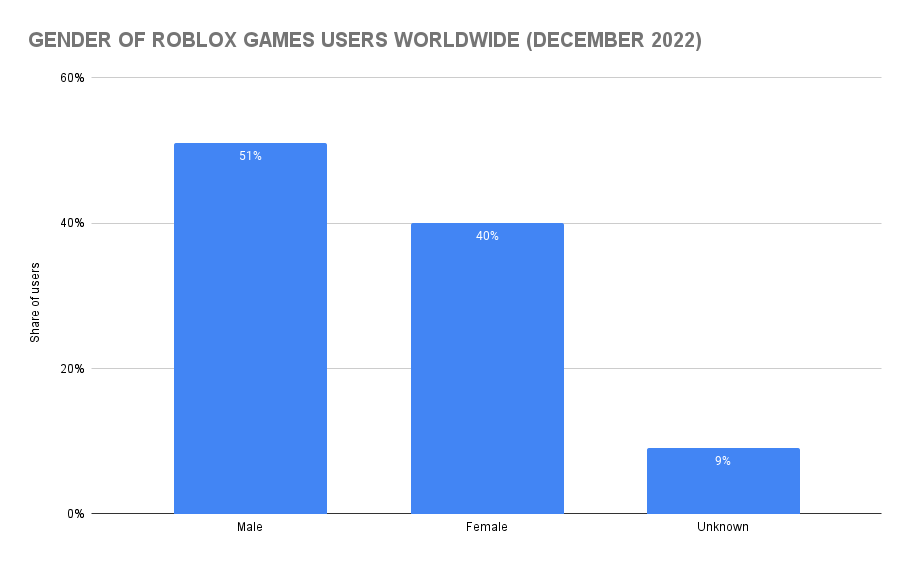
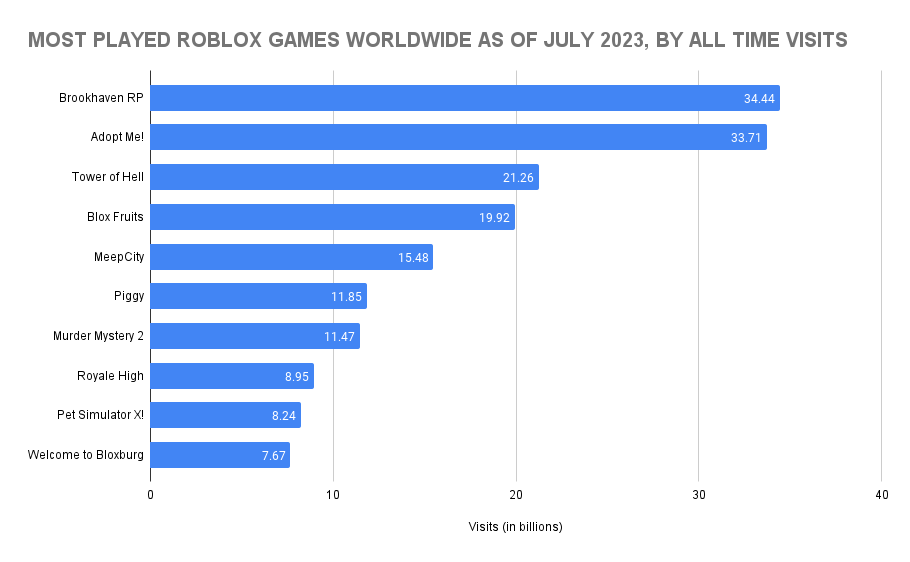
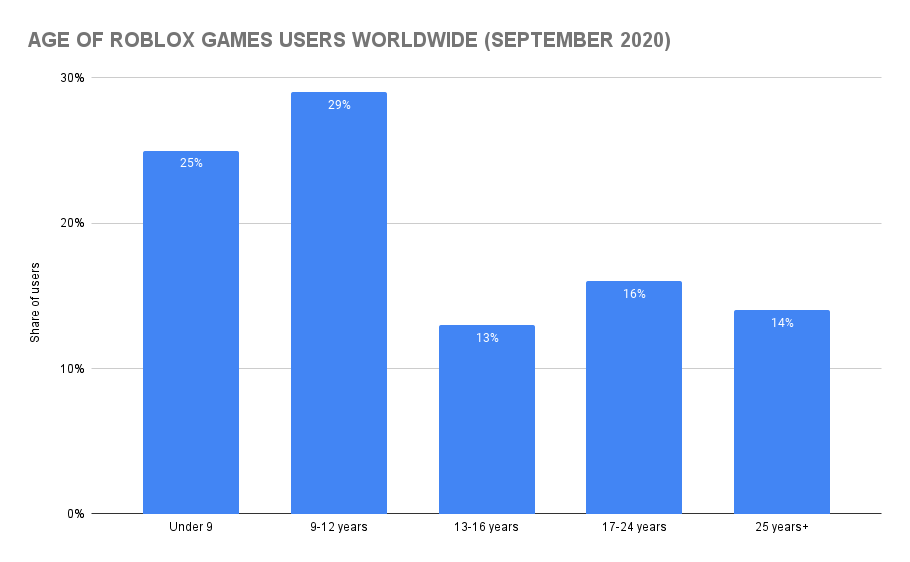
People Playing Football Football Uk . World Cup Football Fans 2024 14329 . How Many People Play Roblox Roblox Statistics 2023 SellCell Com Blog GENDER OF ROBLOX GAMES USERS WORLDWIDE DECEMBER 2022 1 . How Many People Play Roblox Roblox Statistics 2023 SellCell Com Blog MOST PLAYED ROBLOX GAMES WORLDWIDE AS OF JULY 2023 BY ALL TIME VISITS . How Many People Play Roblox Roblox Statistics 2023 SellCell Com Blog Age Of Roblox Games Users Worldwide




Xbox Statistics 2026 Active Player Number Of Monthly Active Users . Destiny 2 Player Count How Many People Play Destiny 2 In 2026 World Of Warcraft Player Count 720x405 . When Is The Super Bowl 2026 Date Location Performer Super Bowl 2026. How Many People Play New World Aeternum Player Count Tracker In 2024 Player Count Chart New World . How Many People Play Video Games In The World 2026 Share How Many People Play Video Games