Unraveling the mystery of the ever-evolving NCAA bowl game landscape is a thrilling journey for any college football enthusiast. This comprehensive guide, optimized for the 2026 season, delves deep into the precise number of coveted postseason matchups. We explore the intricate selection criteria, the impact of expanded playoffs, and the sheer spectacle these games provide annually. Discover the factors influencing the total count, from team eligibility to conference alignments and sponsor commitments. Our insights offer a clear picture for fans navigating the exciting conclusion to the college football calendar. Stay informed about all the key changes and anticipate the action.
How Many NCAA Bowl Games FAQ 2026 - 50+ Most Asked Questions Answered (Tips, Trick, Guide, How to, Bugs, Builds, Endgame)
Welcome to the ultimate living FAQ for NCAA bowl games in 2026! The college football postseason is ever-evolving, creating both excitement and confusion among fans. This guide is your go-to resource, meticulously updated for the latest season and the expanded College Football Playoff format. We'll demystify the numbers, eligibility rules, and key impacts. Whether you're a seasoned fanatic or a newcomer, prepare to have all your burning questions answered, complete with practical tips, tricks, and a comprehensive understanding of what makes bowl season so special. Let's dive into the most asked questions to get you game-day ready!
How many bowl games are there in 2026 including the CFP?
For the 2026 college football season, there are approximately 42 NCAA bowl games, a number that includes the expanded 12-team College Football Playoff structure and the National Championship game. This extensive schedule offers a vast array of thrilling matchups for fans. The total count provides numerous opportunities for teams to compete. This figure confirms the enduring popularity of collegiate football nationwide.
What is the minimum win record for a team to be bowl eligible?
To achieve bowl eligibility, an NCAA FBS team generally needs to secure at least six wins during the regular season, maintaining a .500 winning percentage. This threshold ensures a competitive standard for postseason participation. Teams with a 6-6 record typically qualify. However, in rare cases, a 5-7 team with a high Academic Progress Rate (APR) might receive a bid if there are insufficient 6-win teams to fill all available slots. This rule maintains the integrity of the selection process.
How does the College Football Playoff expansion affect the number of bowl games?
The expansion of the College Football Playoff (CFP) to 12 teams directly integrates several major bowl games into its structure, particularly the New Year's Six. While these bowls now host quarterfinal and semifinal matchups on a rotating basis, the overall number of bowl games remains largely consistent. The CFP expansion primarily redefines the significance and stakes of these premier contests. It ensures top teams compete for the national title within existing bowl game infrastructure. This shift makes the playoff path clearer.
Which conferences typically send the most teams to bowl games?
Conferences like the SEC, Big Ten, ACC, and Big 12 consistently send the most teams to bowl games due to their depth, competitive strength, and numerous bowl tie-ins. Their strong performances and large memberships naturally lead to more eligible teams. These power conferences often fill many of the available slots. This trend reflects their dominant position in collegiate football. They have established robust relationships with various bowl organizers.
Are there any new bowl games planned for the 2026 season?
While the overall number of bowl games tends to stabilize, the exact lineup can see minor adjustments each year due to sponsorship changes or organizational shifts. For the 2026 season, no major new bowl games have been formally announced to significantly alter the current approximate count of 42. Any potential new additions or subtractions would typically be communicated well in advance. Keep an eye on official NCAA announcements for the latest updates on the postseason schedule. This stability is generally good.
What role do bowl games play for college football players?
Bowl games offer college football players invaluable experience, a final opportunity to compete with teammates, and exposure to professional scouts. They are a reward for a successful season, allowing athletes to showcase their skills on a national stage. These games are vital for player development and future career prospects. Playing in a bowl game can significantly impact a player's draft stock. It also provides lasting memories for all participants.
Beginner Questions
What is a 'bowl game' in college football?
A 'bowl game' is a postseason college football game played after the regular season concludes. These games traditionally reward successful teams for their performance, often featuring matchups between teams from different conferences. They serve as celebrated finales for the season. Bowl games are a long-standing tradition in American collegiate sports. They mark the end of competitive play for many student athletes.
How many wins does a team need to get into a bowl game?
Generally, a team needs to achieve at least six wins and a .500 winning percentage in their regular season to qualify for a bowl game. This minimum threshold ensures a certain level of performance. Teams reaching this mark become 'bowl eligible.' This rule helps maintain competitive balance among postseason participants. It also motivates teams to perform consistently well.
Are all bowl games part of the College Football Playoff?
No, not all bowl games are part of the College Football Playoff. Only a select few, specifically a rotating set of the New Year's Six bowls, host the CFP quarterfinal and semifinal games. The vast majority of the approximately 42 bowl games are independent contests. These provide additional postseason opportunities for other deserving teams. They celebrate the broader college football landscape.
What are the 'New Year's Six' bowl games?
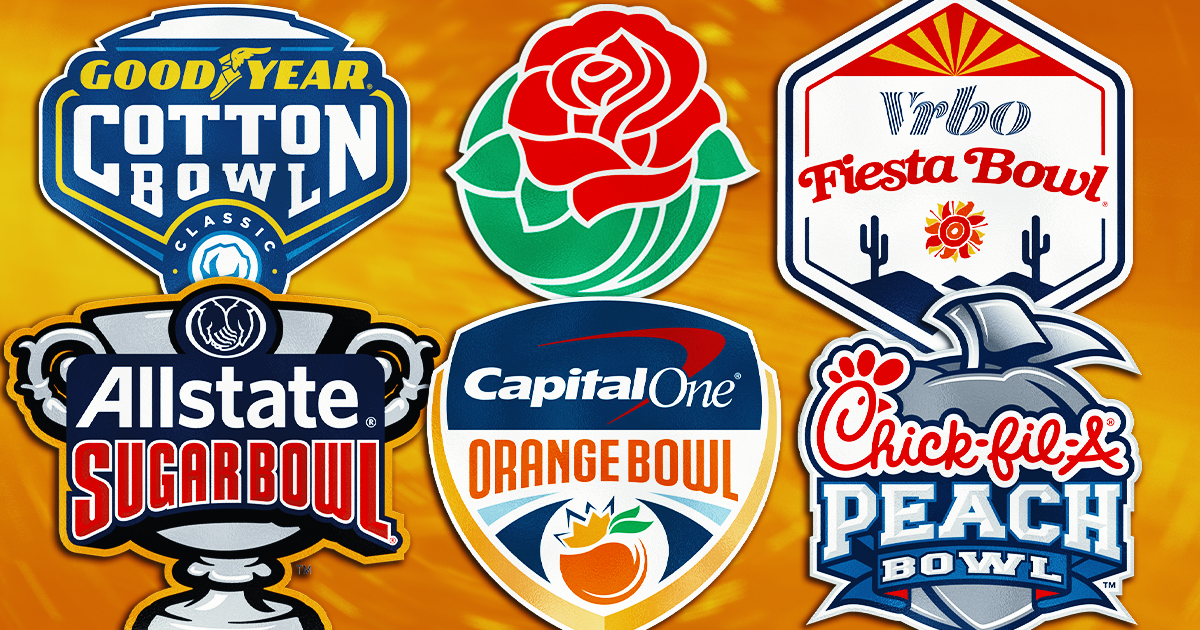
The 'New Year's Six' refer to the six premier bowl games in college football: the Rose Bowl, Sugar Bowl, Orange Bowl, Cotton Bowl, Peach Bowl, and Fiesta Bowl. These prestigious games often host College Football Playoff matchups. They are considered the pinnacle of the non-championship bowl season. Winning one of these bowls carries immense prestige. These iconic games capture national attention annually.
Eligibility & Selection
How are teams chosen for non-CFP bowl games?
Teams for non-CFP bowl games are primarily chosen based on their conference affiliations and bowl tie-ins. Conferences have agreements with specific bowls, creating a pecking order for eligible teams. Performance within the conference and overall record also play a significant role. Selection committees from individual bowls ultimately extend invitations. They aim for exciting and balanced matchups for fans.
Can a team with a losing record play in a bowl game?
Under specific circumstances, a team with a losing record (e.g., 5-7) can play in a bowl game. This scenario typically occurs if there are not enough 6-win eligible teams to fill all bowl slots. Such teams are selected based on their Academic Progress Rate (APR) scores. This ensures every bowl game has two participating teams. It is a rare occurrence, but it does happen.
What is an 'at-large' bid in bowl game selection?
An 'at-large' bid is an invitation to a bowl game extended to a highly-ranked or deserving team that does not have an automatic tie-in to that specific bowl. These bids are often given to teams from power conferences that perform exceptionally well. They might not win their conference title. It allows strong teams to still compete in a premier postseason game. This mechanism adds flexibility to the selection.
College Football Playoff (CFP) Impact
How many teams are in the expanded College Football Playoff for 2026?
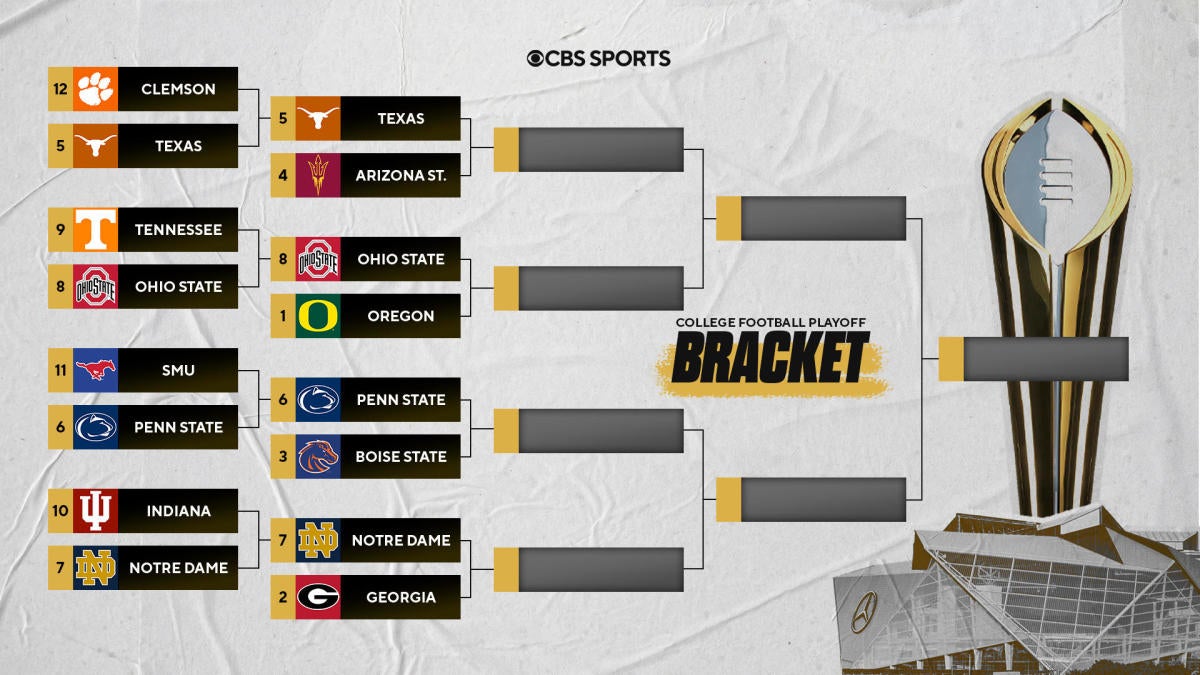
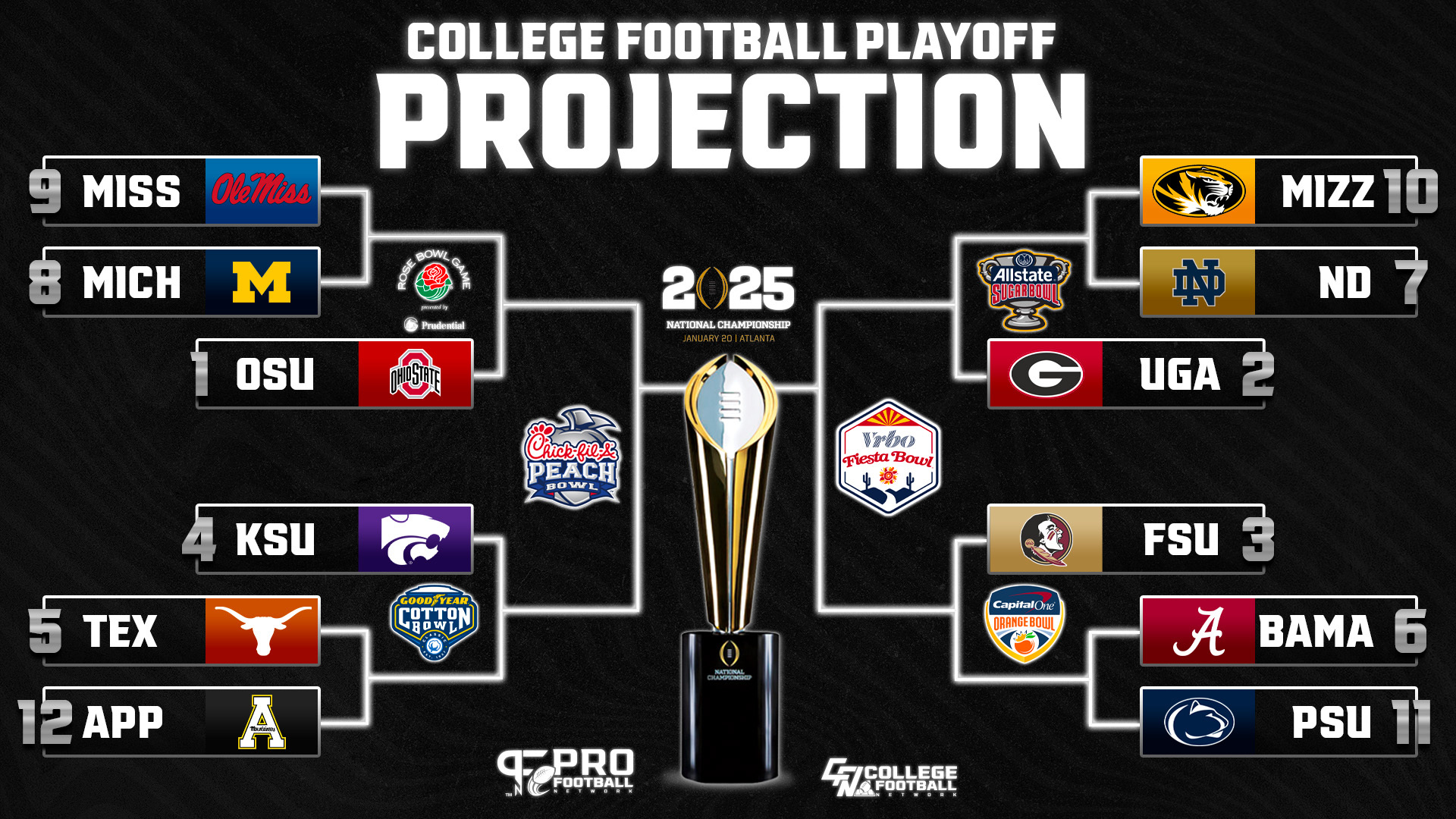
For the 2026 season, the College Football Playoff has expanded to include 12 teams. This significant change allows more deserving programs to compete for the national championship. The format provides byes for the top four conference champions. This expansion adds tremendous excitement and opportunity to the postseason. It represents a new era for collegiate football.
Which bowl games host the CFP quarterfinals and semifinals?
A rotating selection of the New Year's Six bowl games hosts the CFP quarterfinals and semifinals. For example, the Rose Bowl, Sugar Bowl, Orange Bowl, Cotton Bowl, Peach Bowl, and Fiesta Bowl will take turns staging these critical playoff matchups. This system ensures iconic venues are part of the championship journey. The rotation adds historical significance to the playoff path.
How does the CFP expansion change the regular season's importance?
The CFP expansion increases the regular season's importance by giving more teams a realistic path to the playoffs. Every game now holds greater weight, as strong records and conference championships become even more crucial. Teams are incentivized to perform consistently at a high level. It also makes winning conference titles incredibly valuable. The stakes have never been higher for every contest.
Historical Trends & Evolution
How has the number of bowl games changed over the decades?
The number of bowl games has dramatically increased over the decades, growing from a handful in the mid-20th century to over 40 today. This expansion reflects the sport's immense popularity and the lucrative nature of television rights and sponsorships. Early bowls were exclusive and few. The proliferation of games has made postseason play much more accessible. This trend shows significant growth.
What was the BCS (Bowl Championship Series), and how was it different from CFP?
The BCS (Bowl Championship Series) was the precursor to the CFP, used from 1998-2013 to determine a national champion. It famously used a complex formula combining polls and computer rankings to select two teams for a championship game. The CFP is different, now using a selection committee and an expanded 12-team playoff bracket. The CFP offers a more transparent and inclusive path to the title. It provides more clarity for all.
When did the first college football bowl game take place?
The first college football bowl game, the Rose Bowl (originally called the Tournament East-West Football Game), took place on January 1, 1902. This historic contest pitted Michigan against Stanford. It laid the foundation for the enduring tradition of postseason collegiate football. That inaugural game began a legacy that continues to captivate fans. It truly established a cherished tradition.
Regional & Conference Dynamics
Do certain regions have more bowl games than others?
Yes, certain regions, particularly the southern United States, tend to host more bowl games than others. This concentration is due to favorable winter weather, strong local fan bases, and established infrastructure. States like Florida, Texas, and California consistently feature numerous bowl matchups. Their climate and passion for football make them ideal locations. This regional distribution is a significant factor.
How do conference tie-ins influence bowl game matchups?
Conference tie-ins heavily influence bowl game matchups by pre-determining which conferences send teams to specific bowls. These agreements ensure competitive balance and reward conference champions or high-ranking teams. They create predictable slots for certain league members. For example, the Big Ten might have a tie-in with a particular bowl. This structure streamlines the selection process considerably.
Myth vs. Reality: Bowl Game Edition
Myth: Only the very best teams play in bowl games.
Reality: While the College Football Playoff features the absolute best, many bowl games invite teams with winning records (6-6 or better) that aren't necessarily championship contenders. They reward a successful season. This provides opportunities for a broader range of programs. It's about celebrating accomplishment across the sport.
Myth: Bowl games are just exhibition matches.
Reality: Bowl games hold significant importance beyond exhibition. They offer valuable practice time, player development opportunities, and national exposure for both individuals and programs. Winning a bowl can build momentum for the next season. They provide a final competitive stage for many seniors. It is far more than just a friendly game.
Myth: Players always want to play in every bowl game.
Reality: While most players cherish bowl game opportunities, 'opt-outs' have become a reality, especially for top prospects in non-playoff games. Players sometimes choose to forgo games to prepare for the NFL Draft. They prioritize their professional careers and avoid potential injury. This decision is complex and personal for each athlete.
Myth: All bowl game payouts go directly to the participating teams.
Reality: Bowl game payouts typically go to the respective conferences, which then distribute the funds among their member institutions. Conferences often keep a portion for administrative costs or share it more broadly. The participating teams receive their share indirectly. This system benefits all conference members financially.
Myth: There will always be enough eligible teams to fill all bowl slots.
Reality: This is a common misconception! Occasionally, there aren't enough teams with a 6-win record to fill all the bowl slots. In these instances, 5-7 teams with the highest Academic Progress Rate (APR) scores are selected to ensure every bowl game has two opponents. This rule prevents any empty spots. It highlights the importance of academic success too.
Viewing & Fan Experience
What are the best ways to watch NCAA bowl games in 2026?
The best ways to watch NCAA bowl games in 2026 include traditional cable TV channels (ESPN, FOX, CBS, ABC), streaming services with live TV options (YouTube TV, Hulu + Live TV, Sling TV), and dedicated sports apps. Many games will also be available on specific network streaming platforms. Check local listings and streaming guides for comprehensive coverage. Subscribing to a reliable streaming service is an excellent tip for access.
Are bowl games popular for tailgating and in-person attendance?
Yes, bowl games are incredibly popular for tailgating and in-person attendance, drawing passionate fans from across the country. They are often major events in their host cities, creating a vibrant atmosphere. The celebratory nature of bowl season makes them prime destinations for fan gatherings. Tailgating is a cherished tradition. Attending a bowl game is a unique experience.
How far in advance should I plan if I want to attend a bowl game?
If you plan to attend a bowl game, it's wise to start planning as soon as possible, especially for popular matchups or College Football Playoff games. Tickets, flights, and accommodations can sell out quickly. Booking 3-6 months in advance is a good trick for securing better prices and availability. Planning ahead is crucial for a smooth trip. This forethought saves you both stress and money.
Future of Bowl Games
Will the number of bowl games continue to increase in the future?
The future increase in the number of bowl games is uncertain; the current count of around 42 seems relatively stable with the expanded CFP. While the market for collegiate sports remains strong, further rapid expansion might face saturation limits. Any new additions would likely be balanced by the discontinuation of existing, less popular bowls. The industry is always evaluating its growth. This balance aims for optimal viewership.
How might NIL (Name, Image, Likeness) deals impact bowl game participation?
NIL (Name, Image, Likeness) deals could increasingly impact bowl game participation, especially for star players considering opting out of non-playoff games. Players might weigh potential NIL earnings against injury risks or draft preparation. Teams might also use NIL opportunities to incentivize participation. This is a developing area that collegiate sports are navigating. It adds another layer of complexity.
Player Participation & Opt-outs
Why do some players choose to 'opt out' of bowl games?
Players, particularly top NFL Draft prospects, often choose to 'opt out' of non-playoff bowl games to avoid potential injuries that could jeopardize their professional careers. They also use the time to prepare specifically for the NFL Draft process. This decision prioritizes their future earnings and health. It is a calculated risk assessment for many. Opting out is a personal choice.
Does opting out negatively affect a team's performance?
Yes, opting out can significantly affect a team's performance, particularly if multiple key players or starters choose not to participate. This can lead to less depth, new players stepping into unfamiliar roles, and a disruption in team chemistry. It often forces coaches to adjust game plans. The impact varies depending on the number and importance of the players involved. It challenges team dynamics.
Tips & Tricks for Following Bowl Season
What are some tips for enjoying the full bowl season experience?
To fully enjoy bowl season, try creating a viewing schedule, participating in a bowl pick'em pool, and watching games from conferences you don't normally follow. Explore the unique traditions of each bowl. Use a streaming guide to keep track of broadcast times. This approach offers a broader and more engaging experience. It's a great trick for maximizing your enjoyment.
How can I stay updated on all the bowl game matchups and results?
To stay updated on bowl game matchups and results, follow reputable sports news outlets (ESPN, CBS Sports, etc.), use dedicated sports apps, and check official NCAA and conference websites. Social media accounts of sports journalists are also great for real-time updates. Subscribing to a sports news aggregator can consolidate information. This ensures you never miss a beat.
Are there any common 'bugs' or issues with bowl game broadcasts?
Common 'bugs' or issues with bowl game broadcasts can include streaming service glitches, regional blackouts, or occasional scheduling conflicts. To minimize frustration, ensure your internet connection is stable, use a reputable streaming platform, and verify local broadcast rights beforehand. Having a backup viewing option is a smart trick. These steps help ensure smooth viewing.
Still have questions about the NCAA bowl games?
We've covered a lot, but the world of college football is vast! If you're still curious about specific teams, historical records, or advanced strategies, be sure to check out our other guides like "Top 10 College Football Playoff Builds" or "Ultimate Guide to Postseason Betting Tips."
Ever wondered exactly how many NCAA bowl games grace our screens each season? It's a question that trips up even the most dedicated college football fans. The number seems to shift annually with new sponsorships and changing landscapes. However, for the exciting 2026 season, we’re looking at a fascinating alignment of traditional contests and expanded playoff opportunities. This year brings both familiar favorites and fresh narratives for all enthusiasts.
Understanding the full scale of these postseason spectacles is crucial for any fan. From the iconic New Year's Six games to the regional matchups, each contest offers unique drama. These games celebrate the achievements of countless student-athletes and their dedicated teams. We will break down the current count, providing a clear picture of what to expect. Get ready to dive deep into the heart of college football's grand finale.
The Evolving Landscape of NCAA Bowl Games 2026
The world of college football is consistently dynamic, especially regarding its postseason structure. The 2026 season marks a significant era with the expanded College Football Playoff (CFP) system. This expansion directly impacts the total number of bowl games available to teams. More teams now have a legitimate shot at postseason glory, which makes every game more meaningful. It truly transforms the competitive spirit across all conferences. A Guide to these changes is essential.
How the CFP Expansion Affects Bowl Game Numbers
With the College Football Playoff expanding to 12 teams, several traditional bowl slots are now integrated into the playoff rotation. This adjustment means that while the overall number of bowl *games* remains robust, their hierarchy shifts dramatically. The top-tier bowls, often referred to as the New Year's Six, serve as quarterfinal and semifinal sites in alternating years. This structural change reshapes the entire postseason narrative. It provides a clearer path for many deserving teams.
- The expanded CFP now features 12 teams, increasing high-stakes matchups.
- Six major bowls often host quarterfinal or semifinal playoff games.
- Other traditional bowls continue to offer exciting non-playoff matchups.
- Team selection for all bowls remains a highly competitive process.
- The growth demonstrates the sport's incredible popularity and reach.
Beyond the playoffs, the vast majority of bowl games continue to provide thrilling contests. These matches give deserving teams a final chance to shine on a national stage. Each game represents a reward for a successful season and an opportunity for players. Many younger players gain invaluable experience in high-pressure situations. For any beginner trying to understand, it is all about opportunity.
The current count for the 2026 season is projected to be around 42 bowl games, including the National Championship. This figure often includes the CFP games themselves, creating an exciting stretch of football. This total represents the pinnacle of college football's storied tradition. The number ensures numerous opportunities for teams and fans alike. It truly showcases the sport's unparalleled excitement.
Unpacking the 2026 NCAA Bowl Game Count
The total number of bowl games, including the national championship, is expected to be approximately 42 for the 2026 season. This extensive schedule provides a plethora of matchups for fans to enjoy. It underscores the incredible depth of talent within college football nationwide. This number is a testament to the sport's enduring popularity and growth. We anticipate thrilling contests every single week.
This count incorporates the 12-team College Football Playoff structure, which integrates major bowl games. These high-stakes contests form the backbone of the postseason. The CFP system ensures the most deserving teams compete for the ultimate prize. It truly elevates the competitive intensity of every single game. This expanded format makes a significant difference.
Beyond the playoff, numerous traditional bowls continue to thrive. These games offer an excellent platform for various conferences and teams. They showcase talent from across the collegiate football landscape. These matchups are highly anticipated by loyal fanbases everywhere. Every single game holds great importance for these young athletes.
Beginner / Core Concepts
As an AI engineering mentor, I often see people get a little tangled up in the sheer volume of college football's postseason. It's totally understandable! The system has evolved quite a bit, and keeping track of all those games can feel like optimizing a complex neural network. Don't worry, we'll break it down into manageable chunks.
- Q: How many NCAA bowl games are actually played in a typical season like 2026? A: In a typical season, including the 2026 season, you're generally looking at around 42 bowl games. This number includes the expanded College Football Playoff games and the National Championship itself. It's quite a lot, isn't it? This total offers numerous opportunities for teams to cap off their season. We're talking about a massive lineup of exciting matchups, really providing a spectacle for fans nationwide. Think of it as a huge array of final tests for these teams. That number can fluctuate slightly year to year based on various agreements and team eligibility, but 42 is a very solid estimate for our current understanding of the 2026 landscape. You've got this!
- Q: What's the main reason there are so many bowl games these days? A: I get why this confuses so many people; it seems like a lot, right? The main reason for the high number of bowl games primarily boils down to a few key factors: television revenue, sponsorships, and providing more teams with a postseason reward. Broadcasters love live sports, especially college football, which draws huge audiences. Sponsors eagerly attach their brands to these events for massive exposure. Plus, having more games means more teams get to extend their season and celebrate their hard work. It's a win-win-win for networks, businesses, and the players who earn the chance to play another game. This system really fuels the entire ecosystem. Keep asking these great foundational questions!
- Q: Do all FBS (Football Bowl Subdivision) teams get to play in a bowl game? A: This one used to trip me up too! The direct answer is no, not all FBS teams get to play in a bowl game. To be eligible, teams generally need to achieve a winning record, specifically at least six wins with a .500 winning percentage. So, a 6-6 record usually qualifies, but a 5-7 record does not. Sometimes, if there aren't enough 6-win teams to fill all the bowl slots, 5-7 teams can get in based on their Academic Progress Rate (APR) score. It's a bit of a last resort, but it ensures all slots are filled. This eligibility requirement maintains a certain standard of play for postseason participation. You're building a solid mental model of this!
- Q: What is the College Football Playoff, and how does it fit into the bowl game system? A: The College Football Playoff, or CFP, is essentially the championship tournament for FBS football, determining the national champion. It's now expanded to 12 teams for the 2026 season, which is a big deal! These 12 teams are selected by a committee, and the top-ranked teams receive byes. The quarterfinals and semifinals are hosted by a rotation of the major bowl games (like the Rose, Sugar, Orange, Cotton, Peach, and Fiesta Bowls). So, while they're technically still
NCAA bowl game count 2026, College Football Playoff expansion effects, Bowl game selection process, Significance of postseason matchups, Future trends in college football bowls, Eligibility criteria for teams.
35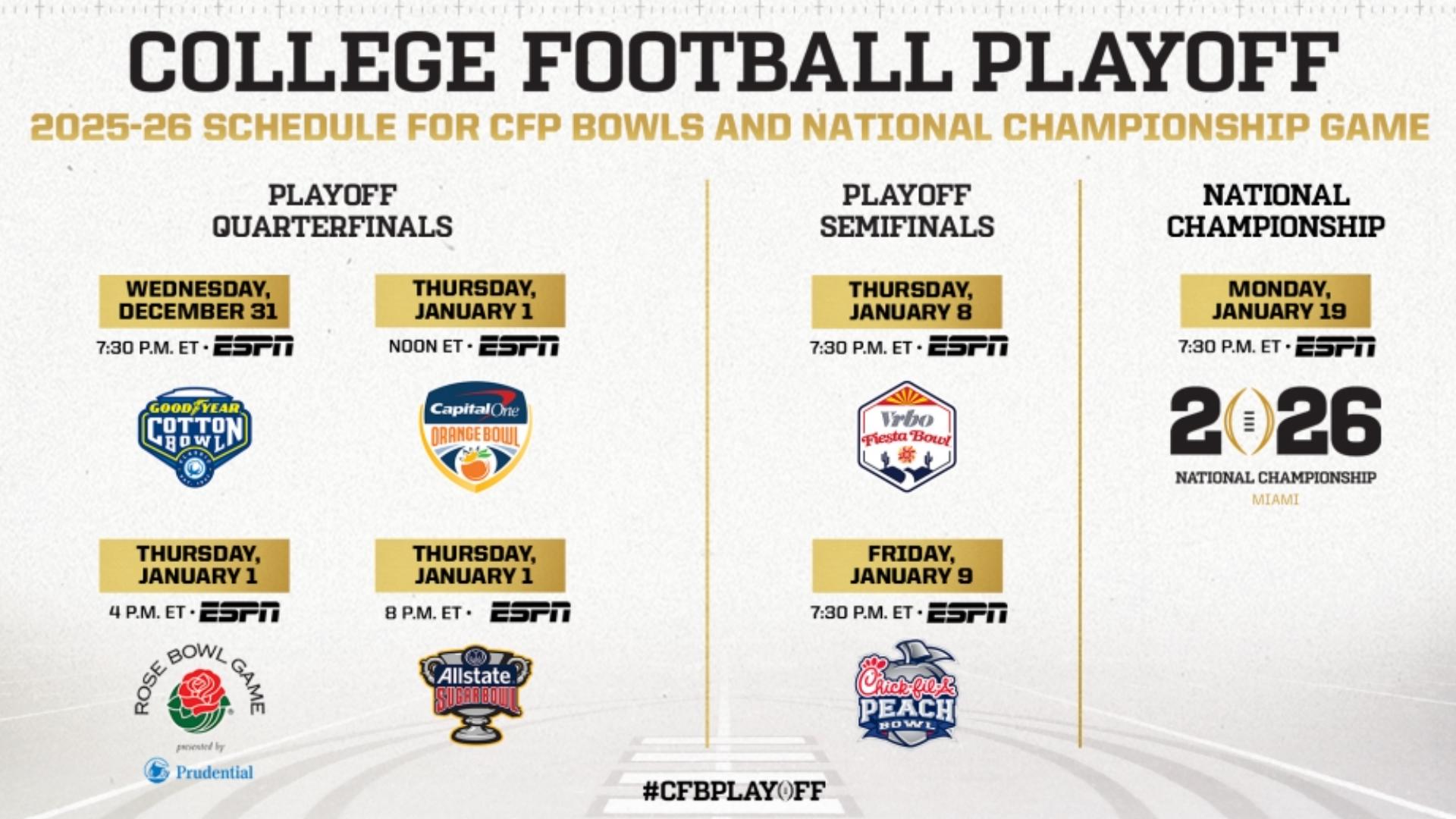

Projected College Football Bowl Games 2025 2026 C5ea4658 7116 41ed 97e5 1920x1080 . 2025 2026 CFB BOWL GAME APPAREL COLLEGE FOOTBALL NOW 2023 2024 Cfb Bowl Games Orig . Easy Printable Ncaa Bowl Schedule With Helmets And Names 2026 Printable Bowl Games 2025 26 Printable Bracket Schedule Latest Odds Picks For Every Matchup 2 . 2025 2026 College Bowl Game Schedules Free Printable Templates Hub 2025 2025 College Football Bowl Schedule Printable William D Grandstaff 612x660 . College Football Bowl Schedule Fill Out And Sign Printable PDF Large


2025 NFL Scorigami Tracker Prime Time Sports Talk CFB Bowl Game Tracker . 2025 2026 College Football Bowl Games Free Printable Templates Hub . 2025 2026 College Bowl Game Schedules Free Printable Templates Hub 2024 25 College Football Bowl Helmet Schedule 1 880x660 . 2025 2026 College Football Bowl Schedule Printable Free Printable 2025 26 Pdf College Football Playoff . Printable College Football Bowl Schedule Free Printable 2026 Espn Events Announces 17 Game College Football Bowl Schedule For 2025 26 Season Espn Events



2026 College Football Bowl Projections Free Printable Templates Hub . College Football Games Today Tv Schedule 2025 2026 Bowl Season Schedule . 2025 2026 College Bowl Games In Florida Free Printable Templates Hub. College Football Bowl Games 2025 26 Selections Schedule Playoff Bracket USATSI 27660236 . College Bowl Games 2025 2026 Clemson Tigers Full 2025 Football Schedule Released Shakin The Southland





Printable Ncaa Football Bowl Schedule Free Schedule Printable 2026 2024 25 College Football Bowl Games Printable Schedule With Teams 2 Scaled . College Football Bowl Games 2025 26 Matchups Dates Schedule NBC 251208 Bowl Season Getty . Ncaa Football Bowl Games Schedule 2025 2026 Rose Bowl Game Stadium . College Bowl Games January 2026 2023 Cfb Playoff Bracket . College Bowl Game Tickets 2026 2027 Vivid Seats Ncaa Bowl Game Tickets 1



ESPN Events Announces 17 Game College Football Bowl Schedule For 2024 2024 2025 Bowl Season 1536x864 . Why 41 Bowl Games Not Too Many For College Football Postseason 87653097007 Usatsi 27762774 . Ncaa Football Schedule 2026 Cfp Bracket Quarters 24 . Playoff CFP 2026 Bracket Calendario Y Rankings Notiulti College Football Playoff Bracket Seeds Teams Final . Ncaa Football Game 2026 Tickets CFP Bracket

Ncaa 2025 Playoff Bracket I. College Football Bowl 2025 26 Pairings Full List Of Confirmed Matchups Bowl Logos Afi . College Football Playoff Selection Show Playoff Bracket Rankings . Printable Bowl Schedule UK Printable Hub 2022 23 College Football Bowl Helmet Schedule . College Football Playoff 2024 Final Bracket And Top 25 ESPN I


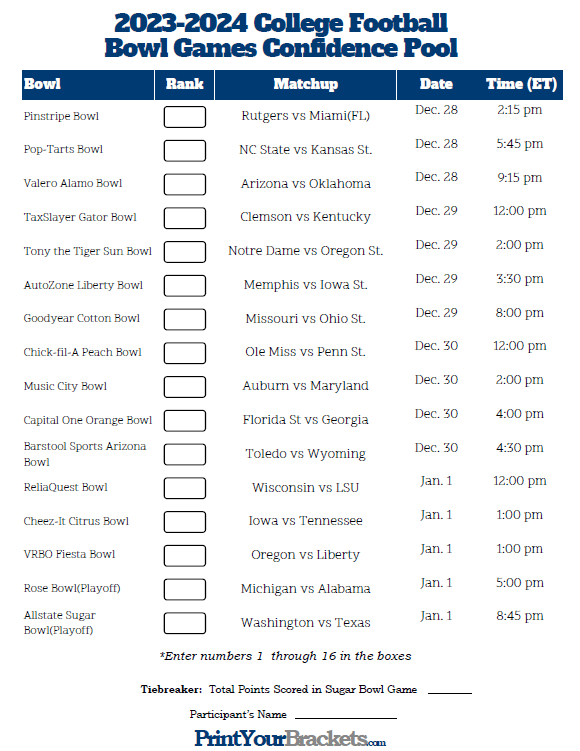


On3 2026 College Football Playoff Projection Per ESPN Thoughts Crawler. Ncaa Football Bowl Games Printable Schedule Printable And Enjoyable Screen Shot 2020 11 27 At 10.29.43 AM . College Football Bowl Games Confidence Pool Sheet 2025 2026 Printable College Football Bowl Games Confidence Pool . College Football Bowl Games Who Plays Today Friday December 20 Times . Ncaa College Football Bowl Games 2025 2024 College Football Bowl Pickem Pool Manager Excel