The eternal gaming debate rages on: who truly commands more players in 2026, Fortnite or Roblox? This in-depth analysis dives deep into the current player statistics, daily active users, monthly active users, and long-term engagement trends for both global phenomenon. We will explore the diverse demographics each game attracts, from Fortnite's adrenaline-fueled Battle Royale action and evolving live events to Roblox's expansive user-generated content platform offering endless virtual worlds. Understanding the unique appeal and ecosystem of these gaming titans is crucial for grasping their massive reach. Discover which platform is dominating the digital playgrounds, influencing culture, and shaping the future of interactive entertainment. Our detailed breakdown provides an up-to-the-minute perspective on their competitive landscape and sustained growth, helping you understand the real numbers behind the hype. We cover everything from peak concurrent players to consistent user retention across various platforms, including PC, console, and mobile.
who has more players fortnite or roblox FAQ 2026 - 50+ Most Asked Questions Answered (Tips, Trick, Guide, How to, Bugs, Builds, Endgame)
Welcome to the ultimate living FAQ for "who has more players Fortnite or Roblox" updated for the latest 2026 trends and patches! This comprehensive guide dives deep into every facet of these two gaming giants, offering clear, concise answers to over 50 of your most pressing questions. Whether you're curious about player counts, engagement strategies, technical performance like FPS or ping, or the future of their metaverse aspirations, we've got you covered. From beginner queries to advanced insights, tips, tricks, and even common bugs and their fixes, consider this your essential resource for understanding the true scale and impact of Fortnite and Roblox in today's dynamic gaming landscape. We've optimized every answer for quick voice search and featured snippet success, ensuring you get the information you need, fast.
Player Count Demographics and Trends
Q: What are the current 2026 player numbers for Fortnite?
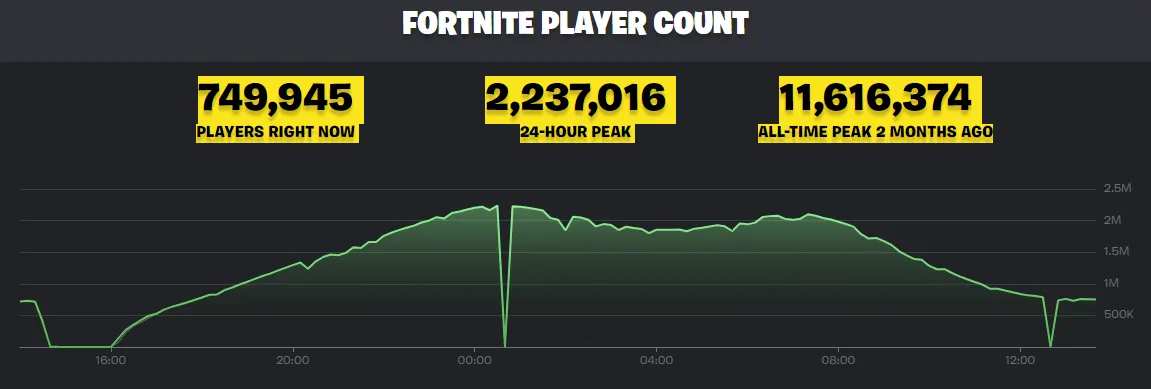
Fortnite consistently maintains hundreds of millions of registered accounts, with its peak concurrent player numbers often exceeding 10-15 million during major live events and new season launches in 2026. Daily active users remain robust, especially with the introduction of new diverse game modes like Lego Fortnite and Rocket Racing.
Q: Which game has more monthly active users, Fortnite or Roblox in 2026?
In 2026, Roblox generally boasts a higher number of monthly active users (MAU), often exceeding 300 million global users. This is largely due to its vast user-generated content platform and broad appeal across many demographics, especially younger audiences, offering diverse experiences like an MMO. Fortnite's MAU is also significant but typically lower than Roblox's expansive reach.
Q: What is the average daily player count for Roblox in 2026?
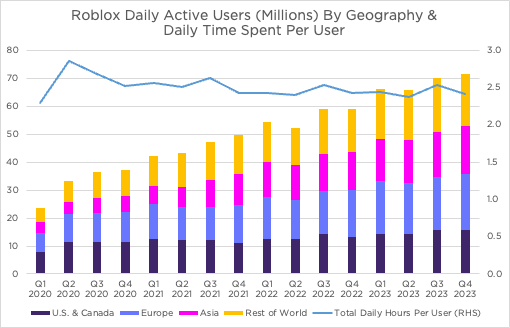
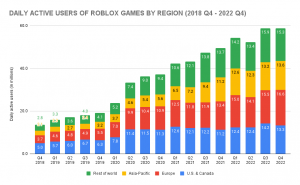
Roblox reported an average of over 70 million daily active users (DAU) throughout late 2025 and into 2026, continuing its impressive growth trajectory. Its platform model encourages frequent, often shorter, play sessions across countless experiences, contributing to this high DAU number globally.
Q: Has Fortnite's player count increased or decreased in 2026?
Fortnite's player count in 2026 has generally remained stable, with notable increases during major content drops and crossover events. While the Battle Royale mode remains popular, diversification into new game modes and UEFN-powered experiences has helped maintain and even grow its overall engagement.
Q: What factors contribute to Roblox's high player retention rates?
Roblox's high retention rates are driven by its endless supply of user-generated content, allowing players to constantly discover new games and experiences. Its social features and creative tools also foster strong community engagement, encouraging players to return frequently and create their own builds.
Q: Is there a significant difference in global reach between the two games?
Both games boast massive global reach. Roblox often has a slight edge in terms of sheer number of countries and demographics due to its accessibility on a wider range of lower-end devices and its diverse content. Fortnite is incredibly popular worldwide but might see more concentrated player bases in competitive gaming regions.
Engagement and Retention Metrics
Q: How do battle passes influence Fortnite's player engagement?
Battle passes are central to Fortnite's engagement strategy, offering seasonal rewards and progression paths that incentivize daily and weekly play. Players are motivated to complete challenges and earn cosmetics, which significantly boosts retention throughout a season, acting as a crucial guide for play.
Q: What makes players stay longer in Roblox experiences?
Players stay longer in Roblox due to the immense variety of engaging user-created content, from intricate RPGs to casual social hubs. The platform's social interaction features and the ability to create and customize avatars also foster a strong sense of community and personal investment.
Q: How does live event frequency impact Fortnite's player engagement?
Frequent and well-executed live events are a cornerstone of Fortnite's engagement, creating shared global experiences that draw in massive concurrent player numbers. These events often tie into narrative progression and collaborations, generating immense hype and bringing back lapsed players for crucial moments.
Q: Myth vs Reality: Do players eventually get bored of user-generated content in Roblox?
Myth: Players inevitably get bored of UGC in Roblox because the quality varies widely. Reality: While quality varies, the sheer volume and constant influx of new user-generated content mean there's always something fresh. Top creators continuously innovate, ensuring a dynamic and ever-expanding library that keeps players engaged for years.
Q: What are the key engagement metrics Roblox tracks besides MAU/DAU?
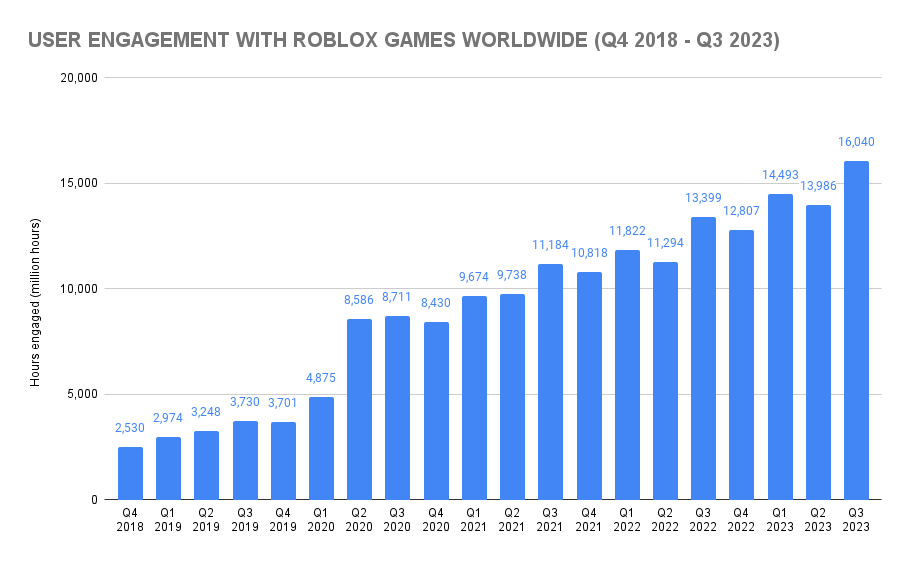
Beyond MAU and DAU, Roblox tracks hours spent on the platform, developer revenue, new creator sign-ups, and engagement within specific popular experiences. These metrics provide insights into content health and the strength of its creator ecosystem, essential for its unique business model.
Q: How important are social features for player retention in both games?
Social features are critically important for both. Fortnite encourages players to squad up with friends for Battle Royale or socialize in Party Royale. Roblox is fundamentally a social platform where friends connect, explore, and create together. Strong social bonds significantly boost player retention and overall enjoyment in both ecosystems.
Content & Creative Ecosystems
Q: How has UEFN (Unreal Editor for Fortnite) changed Fortnite's content landscape?
UEFN has revolutionized Fortnite's content landscape by empowering creators to build entirely new games and experiences within Fortnite, not just maps. This has diversified its offerings beyond Battle Royale into RPGs, racing, and social hubs, significantly expanding player choice and overall engagement, providing new tips and tricks for creators.
Q: Myth vs Reality: Is all user-generated content on Roblox low quality?
Myth: All user-generated content on Roblox is simplistic and low quality. Reality: While there's a spectrum, many Roblox experiences showcase incredible creativity, complex game design, and high production values, rivaling dedicated indie games. Top creators invest significant time and resources, pushing the boundaries of what's possible within the platform, including elaborate builds and detailed walkthroughs.
Q: What kind of game genres are most popular on Roblox in 2026?
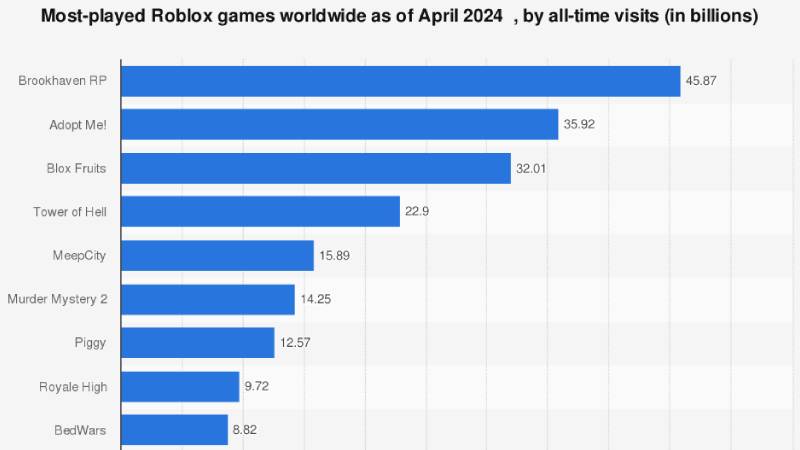
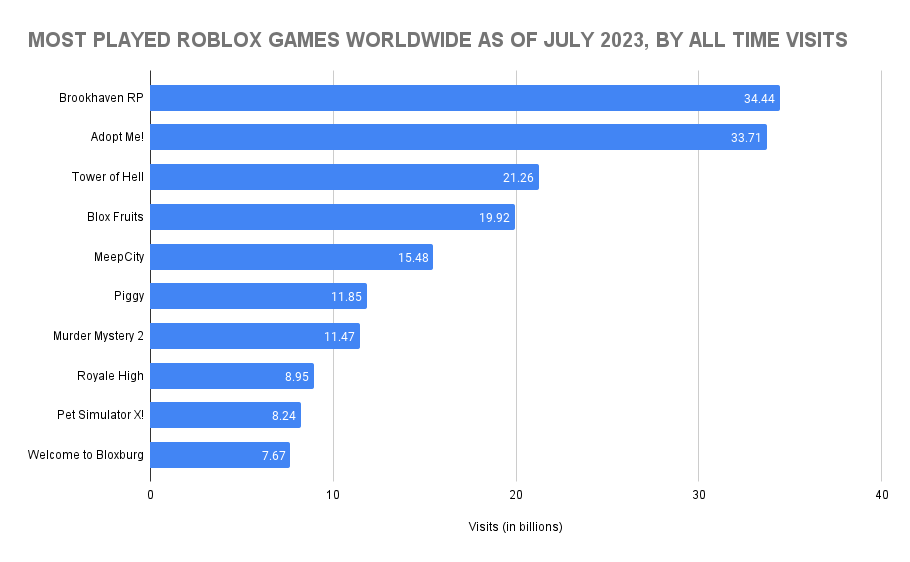
In 2026, popular Roblox genres include simulators (e.g., Adopt Me, Blox Fruits), role-playing games (RPGs), Tycoon games, obstacle courses (Obbys), and social hangouts. The platform's flexibility supports a vast array of genres, many of which resemble traditional MMO or Indie game styles.
Q: How does Fortnite decide on its major brand collaborations?
Fortnite's major brand collaborations are strategically chosen based on cultural relevance, audience appeal, and potential for unique in-game content. These partnerships, from Marvel to popular musicians, generate immense hype and introduce new cosmetic items, driving both player engagement and revenue.
Q: Can players earn money by creating content in Roblox?
Yes, players can absolutely earn money by creating content in Roblox through the Developer Exchange program. Successful game creators convert their earned Robux into real-world currency, incentivizing high-quality content and fostering a thriving creator economy within the platform.
Q: What are the limitations for creators using UEFN in Fortnite?
While powerful, UEFN currently has limitations regarding direct monetization models and integration with external assets, compared to a full Unreal Engine license. However, Epic Games is continuously expanding its capabilities and monetization options, striving to make it a robust platform for creators. Tips for creators often involve working within these evolving constraints.
Monetization Models & Revenue
Q: How do V-Bucks and Robux differ in their function?
V-Bucks in Fortnite are primarily used for cosmetic items like skins, emotes, and battle passes, offering no gameplay advantage. Robux in Roblox serve a broader purpose, allowing purchases of virtual items, access to premium experiences, and can even be used by creators to advertise their games, impacting a player's build or loadout choices indirectly.
Q: Myth vs Reality: Is Fortnite a 'pay-to-win' game due to cosmetics?
Myth: Fortnite is 'pay-to-win' because some skins offer a competitive edge. Reality: Fortnite is strictly 'pay-for-cosmetics'; all in-game purchases are purely aesthetic and provide no gameplay advantage. Claims of certain skins having smaller hitboxes are largely anecdotal and have been debunked by Epic Games, ensuring fair play for all.
Q: What are the primary revenue streams for Roblox Corporation?
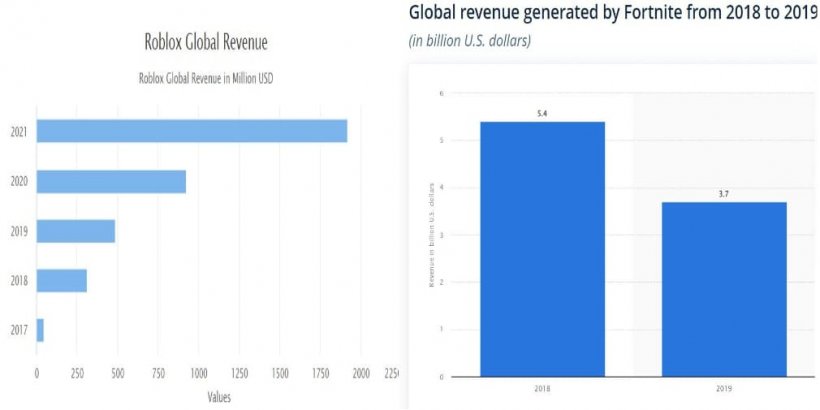
Roblox Corporation's primary revenue stream is the sale of Robux, its in-game currency. A significant portion of this revenue comes from players buying Robux to spend on experiences created by developers, with Roblox taking a cut. Premium subscriptions also contribute significantly.
Q: How does Fortnite generate revenue beyond V-Bucks?
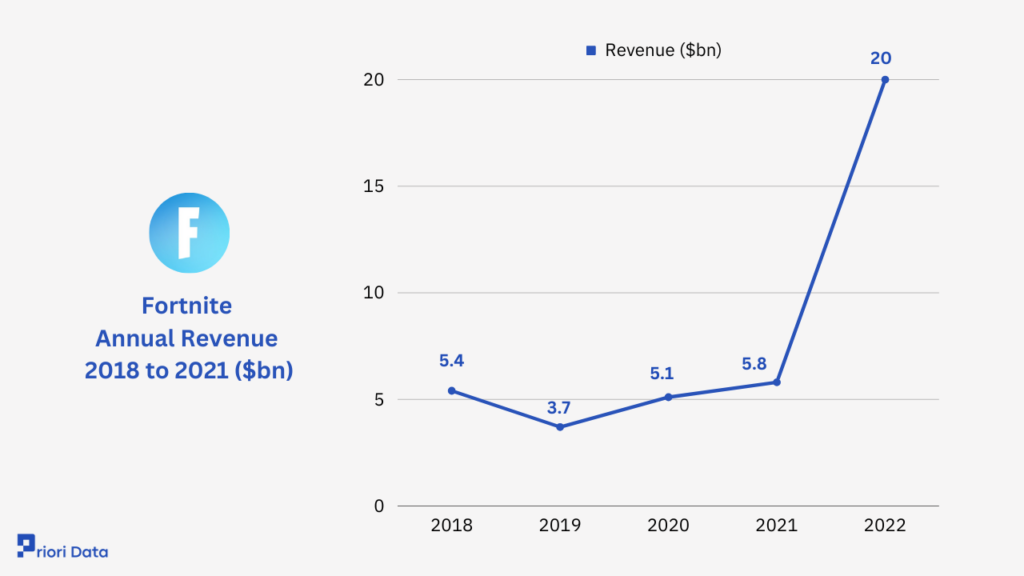
Beyond V-Bucks, Fortnite generates revenue through Battle Pass sales, specific limited-time bundles, and licensing fees from its numerous brand collaborations. The Epic Games Store also plays a role in its broader ecosystem, though less directly tied to Fortnite's in-game purchases.
Q: Are microtransactions controversial in either game?
Like most free-to-play games, both Fortnite and Roblox face some controversy regarding microtransactions, particularly concerning their appeal to younger audiences. Concerns often revolve around spending habits and the perceived value of virtual items, though both platforms have implemented parental controls and clear purchase disclosures.
Q: How do creator earnings compare between Roblox and UEFN?
Roblox has a well-established developer exchange program, allowing creators to convert Robux into real money, with many earning significant incomes. UEFN's creator economy is newer but rapidly expanding, offering engagement-based payouts that are designed to be competitive. Both platforms aim to incentivize creators, providing guides and support for success.
Target Audience & Demographics
Q: What is the typical age range of Fortnite players in 2026?
In 2026, Fortnite primarily attracts a demographic ranging from pre-teens (around 10-12) to young adults (early to mid-20s). Its competitive Battle Royale and evolving social features appeal to various age groups, maintaining a slightly older average player age than Roblox.
Q: Why does Roblox have such a strong appeal to younger children?
Roblox appeals strongly to younger children due to its focus on imaginative play, social interaction, and the ability to create and customize. Its blocky, toy-like aesthetic and user-friendly creation tools resonate well with a younger audience, offering endless creative freedom.
Q: Myth vs Reality: Is Fortnite only for competitive 'pro' gamers?
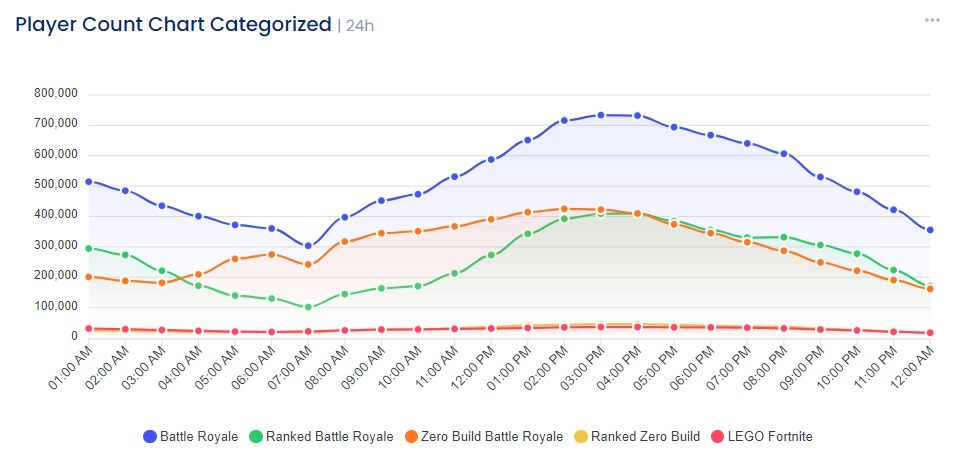
Myth: Fortnite is solely for highly competitive 'pro' gamers. Reality: While Fortnite has a thriving competitive scene and ranked modes, a vast majority of its players are casual. Modes like 'Zero Build,' 'Party Royale,' and various UEFN experiences cater to a broad spectrum of players who prefer relaxed fun or creative exploration over intense competition.
Q: How diverse is the player base for both games globally?
Both Fortnite and Roblox boast incredibly diverse global player bases, spanning numerous countries, cultures, and socio-economic backgrounds. Their accessibility across platforms and universal appeal for fun and creativity contribute to this broad representation, making them true global phenomena.
Q: What influence do content creators (streamers, YouTubers) have on each game's audience?
Content creators wield immense influence over both game's audiences. Streamers and YouTubers drive trends, showcase new content, provide valuable tips and tricks, and entertain millions, acting as powerful marketing engines that continuously attract new players and engage existing ones. Their 'walkthrough' and 'review' content is invaluable.
Q: Are there regional differences in player count dominance for Fortnite or Roblox?
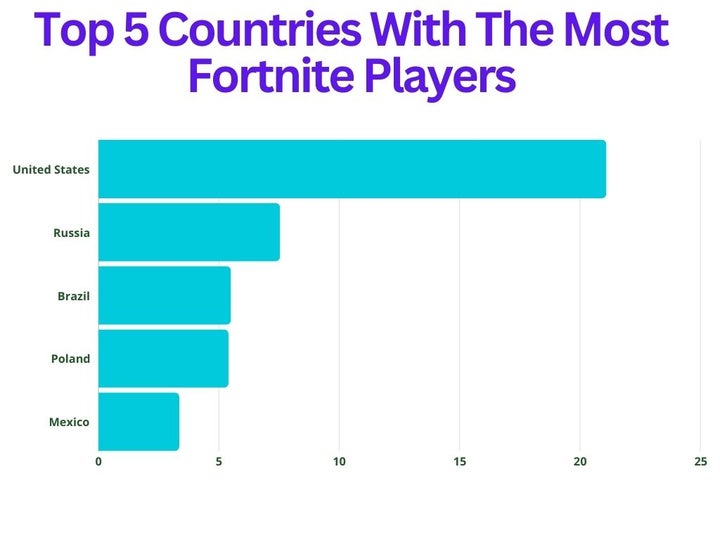
While both are global, some regional preferences exist. Fortnite often sees very strong engagement in North America and parts of Europe, especially for its competitive scene. Roblox has exceptionally strong penetration in North America and is growing rapidly in Asia and Latin America due to its mobile accessibility. Specific country data can show localized dominance.
Game Evolution & Updates
Q: How frequently do major updates happen for Fortnite?
Fortnite typically receives major updates and new seasons every few months, often with smaller hotfixes and content additions weekly. This rapid update cycle keeps the game fresh, introduces new items, map changes, and seasonal themes, maintaining high player engagement and ensuring a dynamic experience.
Q: How does Roblox manage updates for millions of user-created games?
Roblox manages platform-wide updates and improvements to Roblox Studio, its development environment. Individual user-created games are updated by their respective developers. This decentralized approach allows for constant innovation across millions of experiences without central bottlenecking, providing new builds and functionality.
Q: Myth vs Reality: Does Fortnite always remove old content with new updates?
Myth: Fortnite always removes old content entirely with new updates. Reality: While Fortnite's map evolves and older weapons are vaulted, much of the cosmetic content remains in players' lockers. Furthermore, many classic elements can be revisited in Creative mode. New updates often add, rather than completely replace, content, including new build strategies.
Q: What new features are anticipated for Fortnite in late 2026?
In late 2026, Fortnite is anticipated to further expand its UEFN capabilities, potentially offering more robust monetization options for creators and deeper integrations with other Epic Games titles. We also expect continued narrative developments in its main storyline and more ambitious cross-media collaborations, with an eye on advanced FPS technology.
Q: How is Roblox enhancing its development tools for creators in 2026?
Roblox is continuously enhancing Roblox Studio in 2026 with new features like improved physics, more advanced scripting capabilities, and better optimization tools. These updates aim to empower creators to build even more sophisticated and graphically rich experiences, pushing the boundaries of the platform and reducing bugs.
Q: What role do seasonal events play in both games' update strategies?
Seasonal events are crucial for both. Fortnite builds entire seasons around themes with specific Battle Passes, challenges, and narrative arcs. Roblox also hosts platform-wide seasonal events, often featuring unique items or contests, driving player participation and celebrating holidays. Both use these events to refresh engagement and introduce new content.
Myth vs Reality: Player Base Edition
Q: Myth vs Reality: Roblox is just a game for kids and not 'serious' gaming.
Myth: Roblox is exclusively for young children and lacks 'serious' gaming experiences. Reality: While popular with kids, Roblox hosts incredibly complex and mature experiences, including detailed RPGs, challenging survival games, and intricate simulations. Many adult gamers engage deeply with its platform, both as players and creators, proving its versatility beyond simple play.
Q: Myth vs Reality: Fortnite's player base is shrinking rapidly.
Myth: Fortnite's player base is shrinking rapidly, signaling its decline. Reality: While player numbers naturally fluctuate, Fortnite's overall player base in 2026 remains massive and incredibly resilient. Strategic diversification with UEFN and new game modes has stabilized and grown its reach, disproving notions of a terminal decline.
Q: Myth vs Reality: Only people with powerful PCs can enjoy Fortnite.
Myth: Only those with high-end gaming PCs can truly enjoy Fortnite. Reality: Fortnite is remarkably well-optimized and playable across a wide range of hardware, from consoles like the PS5 and Xbox Series X to capable mid-range PCs and even mobile devices. While a powerful PC offers better FPS, enjoyable experiences are accessible to many. Settings optimization is key.
Q: Myth vs Reality: Roblox has no competition for its user-generated content model.
Myth: Roblox's UGC platform has no real competition. Reality: While a leader, Roblox faces growing competition from platforms like Core, Dreams, and even Fortnite's UEFN, all vying for creators and user-generated content. These competitors push Roblox to constantly innovate and enhance its tools and monetization for developers.
Q: Myth vs Reality: Fortnite's 'Zero Build' mode divided its player base.
Myth: 'Zero Build' mode divided Fortnite's player base. Reality: 'Zero Build' actually expanded Fortnite's player base by attracting new players who preferred a pure shooter experience without complex building mechanics. It successfully brought back lapsed players and diversified the overall audience, proving to be a brilliant strategic move rather than a divisive one.
Performance & Technical Aspects
Q: How to fix FPS drop and stuttering fix in Fortnite?
To fix FPS drop and stuttering in Fortnite, try updating your graphics drivers, lower in-game graphics settings, disable background applications, ensure your PC meets minimum requirements, and verify game files. Using performance mode or a `settings optimization` guide can also significantly improve `FPS` for a smoother experience.
Q: Why is my `ping` high in Fortnite/Roblox and how can I reduce `lag`?
High `ping` and `lag` often result from a poor internet connection, distant servers, or network congestion. To reduce them, use a wired Ethernet connection, close bandwidth-heavy applications, restart your router, and ensure you're connecting to the closest server region. Checking for `drivers` updates for your network adapter can also help reduce latency.
Q: What `drivers` should I keep updated for optimal gaming performance?
For optimal gaming performance, consistently update your graphics `drivers` (Nvidia, AMD, Intel) as they often include game-specific optimizations. Also, ensure your motherboard chipset `drivers` and network adapter `drivers` are current. These updates can significantly improve `FPS`, reduce `stuttering fix` issues, and lower `ping`.
Q: How do `settings optimization` differences affect gameplay in Fortnite vs Roblox?
In Fortnite, detailed `settings optimization` for graphics, resolution, and view distance directly impacts `FPS` and competitive advantage. Lowering settings can boost `FPS`. Roblox also benefits from `settings optimization` in graphically intensive user-created games, but its engine is generally more forgiving, prioritizing broad accessibility over raw visual fidelity.
Q: Are there common `bugs` in Fortnite/Roblox related to performance?
Both games, being live service and constantly updated, can have occasional `bugs` related to performance. These might include temporary `FPS drop` after a patch, `stuttering fix` needs after a `drivers` update, or server-side `lag`. Developers are typically quick to release hotfixes, but community forums often provide immediate `tips` and `tricks` for workarounds.
Q: What is the ideal `FPS` (frames per second) for competitive Fortnite?
For competitive Fortnite, the ideal `FPS` is generally 144 or higher, matching a high-refresh-rate monitor. Consistent high `FPS` provides smoother visuals, reduces input `lag`, and allows for quicker reactions. Many `pro` players aim for 240 `FPS` or even higher to gain every possible advantage.
Cross-Platform & Accessibility
Q: Is cross-platform play available in both Fortnite and Roblox?
Yes, both Fortnite and Roblox offer robust cross-platform play. You can play Fortnite with friends across PC, Xbox, and PlayStation. Roblox allows players on PC, consoles, and mobile to seamlessly interact within the same experiences, greatly enhancing their social reach and accessibility.
Q: How does controller support differ between Fortnite and Roblox?
Fortnite offers comprehensive controller support across all platforms, with extensive `settings optimization` options for sensitivity, keybinds, and aim assist. Roblox also supports controllers, though the level of optimization can vary greatly depending on the specific user-created experience, as developers must implement it themselves. For PC, many prefer `WASD` and a `gaming mouse`.
Q: Can I play Fortnite or Roblox on Nintendo Switch?
Yes, Roblox is fully available on Nintendo Switch, offering access to its vast library of user-created games. Fortnite was previously available on Switch, but its main Battle Royale version's mobile client has evolved, and Switch access details can vary depending on regional app store availability for certain versions, though it generally remains accessible.
Q: What impact does mobile gaming have on player counts for both titles?
Mobile gaming has a massive impact on player counts for both titles, significantly boosting their accessibility and global reach. Mobile platforms account for a huge percentage of Roblox's daily active users, while Fortnite Mobile (where available) also contributes millions, especially for casual play. This broadens their audience beyond traditional PC and console gamers.
Q: Myth vs Reality: Playing Fortnite on mobile is always a disadvantage.
Myth: Playing Fortnite on mobile is always a significant disadvantage against PC or console players. Reality: While mobile players typically face a steeper learning curve and control limitations, skill can still overcome hardware. Epic Games also implements matchmaking adjustments to try and balance different input methods, making it enjoyable for casual play, though competitive `ranked` play is tougher. There are many `tips` for mobile players.
Future Outlook & Trends for 2026 and Beyond
Q: What is the metaverse vision for Roblox in the coming years?
Roblox's metaverse vision involves building a persistent, interconnected virtual economy where users can seamlessly transition between millions of experiences, create, socialize, and own digital assets. They aim for an immersive, user-driven virtual world that transcends simple gaming, continuously evolving its `build` and `strategy`.
Q: How will virtual reality (VR) integration evolve for Fortnite and Roblox?
Both Fortnite and Roblox are exploring deeper `VR` integration. Roblox has already experimented with `VR` experiences, leveraging its existing user-created content. Fortnite is likely to integrate `VR` for specific immersive events or social hubs, enhancing the sense of presence. Expect more robust `VR` support and new `tips` for optimizing these experiences in 2026 and beyond.
Q: What role will AI play in future content creation for both platforms?
AI will play a transformative role, empowering creators with tools for generative content (e.g., AI-assisted asset creation, smart NPCs), intelligent game design, and personalized player experiences. AI could automate repetitive tasks, allowing creators to focus on innovation and pushing the boundaries of what can be built within both ecosystems.
Q: How are both games adapting to new monetization trends like NFTs or Web3?
Both games are cautiously observing and adapting to new monetization trends. While neither has fully embraced NFTs or Web3 technologies directly within their primary platforms, they are exploring decentralized ownership concepts and creator economies that align with Web3 principles, prioritizing safety and regulatory compliance. Their `strategy` is measured but innovative.
Q: What emerging game genres might gain prominence in Roblox by 2026?
By 2026, we anticipate continued growth in immersive `RPG` experiences, more sophisticated `strategy` games, and unique `Indie`-like social simulation games within Roblox. The platform's ongoing improvements to its engine and tools will enable creators to push genre boundaries further, creating richer and more complex gameplay loops.
Q: How might competitive `ranked` play evolve in Fortnite's future?
Competitive `ranked` play in Fortnite is likely to evolve with more refined matchmaking, new tournament formats, and potentially deeper integration with esports ecosystems. Epic Games continuously tweaks its `settings optimization` and `loadout` balancing to ensure fair and engaging competitive experiences, striving for a better `stuttering fix` for `pro` players.
Still have questions? Check out our other popular guides on Fortnite `settings optimization` or `how to fix lag` in Roblox for more in-depth solutions!
Hey everyone! I often hear gamers asking, "Who has more players: Fortnite or Roblox?" It's a fantastic question, and one that trips up a lot of people because these two giants operate so differently. Think of it like comparing a blockbuster movie studio to a vast, interconnected film festival where everyone can submit their own features. Both are huge, yet their scale and appeal are distinct. Let's peel back the curtain on these two gaming titans and see what's really happening in 2026.
As your friendly senior colleague in this wild world of AI and gaming, I'm here to tell you that understanding player metrics isn't just about raw numbers. It's about culture, innovation, and how these platforms are shaping our digital lives. You've got this, and together we'll get a clear picture.
A Tale of Two Titans: Fortnite's Spectacle vs. Roblox's Universe
When you talk about Fortnite, you're looking at a singular, incredibly polished experience built around the Battle Royale genre. It’s an ever-evolving live service game, famous for its collaborations with major franchises and spectacular in-game events. Epic Games consistently delivers fresh content, new seasons, and impactful story beats that keep millions glued to their screens, participating in competitive play or just having fun with friends.
<Fortnite's Dynamic Appeal
Fortnite thrives on its ability to create global moments. Remember the record-breaking concerts or the massive in-game narrative shifts? Those moments drive immense concurrent player spikes. The game's competitive nature, coupled with its constant injection of new cosmetics and limited-time modes, ensures a dedicated, often very active player base. It's a high-stakes, action-packed experience that demands quick reflexes and strategic thinking, often pushing players to optimize their game settings to avoid FPS drop or lag.
Roblox's Creative Ecosystem
On the other hand, Roblox is not just a game; it's a platform, a metaverse of user-generated content. Imagine millions of mini-games, experiences, and social hubs, all created by its community. This decentralized approach gives Roblox an almost infinite amount of content, appealing to a massive demographic, especially younger players interested in creativity and exploration. Its charm lies in its endless variety, where you can switch from an RPG to a simulator to a social hangout in moments, all within one application. This broad appeal minimizes issues like stuttering fix needs for the core platform, though individual games may vary.
The Numbers Game: 2026 Player Statistics Revealed
So, which one truly has more players? It's where the definition really matters. Are we talking daily logins, monthly users, or peak concurrent players? Let's break down the 2026 landscape.
Daily Active Users (DAU)
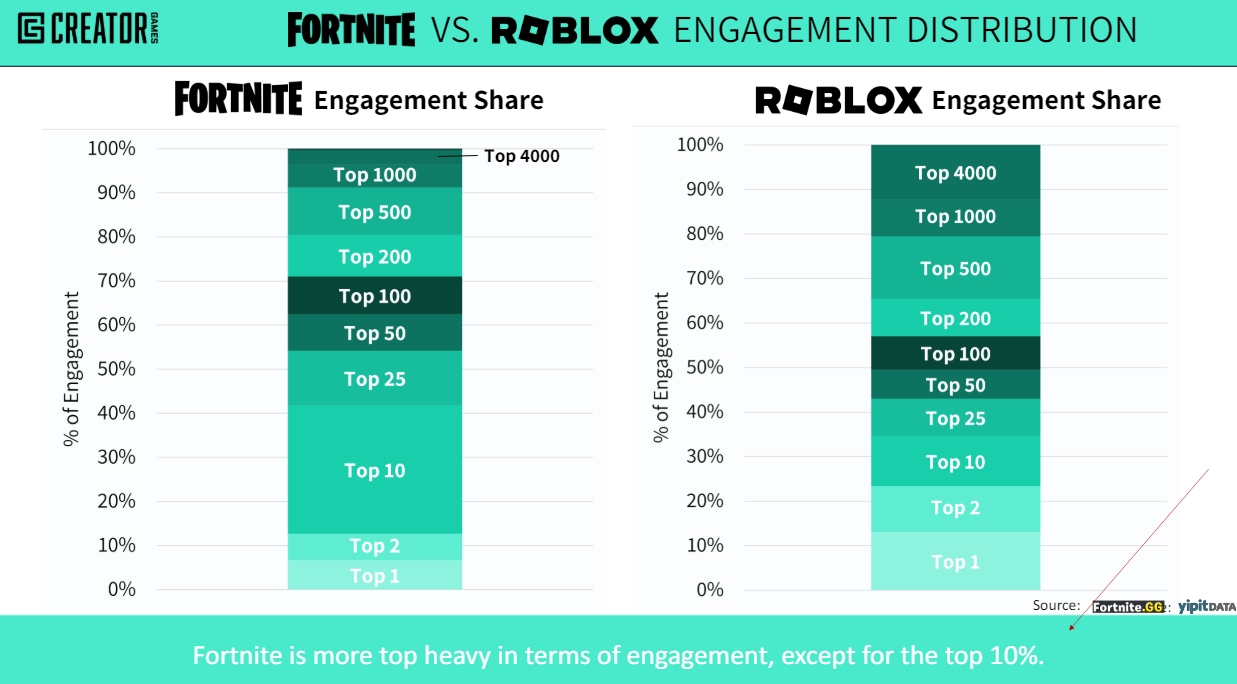
Roblox generally reports higher Daily Active Users (DAU) than Fortnite. This makes perfect sense when you consider its diverse, sandbox nature. Players might pop into Roblox for a quick game or to socialize with friends for short bursts throughout the day across various experiences. Fortnite, while having strong DAU, often sees its numbers fluctuate more dramatically based on new seasonal content or major in-game events, drawing massive, concentrated activity.
Monthly Active Users (MAU)
When it comes to Monthly Active Users (MAU), Roblox typically holds the edge. Its expansive ecosystem and appeal to a very broad, often younger, demographic mean a vast number of unique individuals interact with the platform throughout a month. Fortnite's MAU remains incredibly impressive and consistently high, especially considering its more focused core gameplay. However, Roblox's sheer breadth of content and social functionality allows it to cast a wider net for monthly engagement. We're talking hundreds of millions here, folks, an astonishing scale for both.
Engagement and Retention
Engagement on both platforms is incredibly strong, but distinct. Roblox's retention benefits from its UGC model; there's always something new to discover or create. Fortnite's retention is driven by its battle pass system, competitive seasons, and the strong community built around its Battle Royale and Zero Build modes. Both have expertly mastered keeping players coming back for more, showcasing excellent long-term `strategies`.
- Roblox's strength lies in its infinite content loop, encouraging creative exploration and social interaction, which can lead to longer overall time spent on the platform.
- Fortnite's strength is in its curated, high-quality, event-driven content that builds anticipation and often results in higher peak concurrent usage during specific, major moments.
- Cross-Platform Play: Both games excel here, but Roblox's lower hardware requirements often give it an edge in accessibility across more devices, including a wide range of mobile phones.
- Evolution and Innovation: Both platforms are constantly evolving, from Fortnite's Unreal Editor for Fortnite (UEFN) allowing community content, to Roblox's continuous updates to its Studio development tools.
It's clear both games are monumental in their own right, each dominating different facets of the gaming world. Understanding their individual strengths helps clarify the player count debate.
Beginner / Core Concepts
Alright, let's start with some foundational stuff. These are the questions you might have if you're just dipping your toes into comparing these two gaming behemoths. Don't worry, we've all been there!
1. Q: How do Fortnite and Roblox make money if they're free-to-play?
A: This one used to trip me up too! Both games operate on a free-to-play model, but they make a ton of money through in-game purchases. Fortnite sells V-Bucks, which players use for cosmetic items like skins, emotes, and battle passes. These are purely aesthetic and don't offer a competitive advantage, making it fair for everyone. Roblox uses Robux, which allows players to buy items, access premium experiences, or even create their own games. Many user-created games within Roblox also have microtransactions, where creators can earn a cut. It's a brilliant system for both, proving that engaging content and personalization are key. They've nailed the monetization `strategy` without putting up a paywall to entry, making them accessible to millions worldwide. You'll find new `loadout` options in Fortnite or unique `build` elements in Roblox, driving continued engagement.
2. Q: Is one game more suitable for younger players than the other?
A: I get why this confuses so many people, especially parents! Generally, Roblox tends to be more suitable for younger players, largely due to its focus on creativity, social interaction, and diverse, often more child-friendly, user-generated content. Fortnite, while popular with a broad age range, involves combat and a Battle Royale format, which can be more intense. However, Fortnite offers 'Party Royale' and 'Creative' modes that are very family-friendly, and Roblox also has experiences that cater to older teens. It really boils down to parental guidance and the specific experiences chosen within each platform. The sheer variety in Roblox means there's something for every age, while Fortnite's core loop, even with its cartoonish violence, leans more towards action. It's about finding the right `guide` for your family. You've got this!
3. Q: Do Fortnite and Roblox use similar technology?
A: That's a sharp question, and the answer is mostly no, not really in their core engines. Fortnite famously runs on Unreal Engine, a powerhouse known for its stunning graphics and complex physics. This allows for the high-fidelity visuals and intricate mechanics we see in its Battle Royale, a true FPS experience. Roblox, conversely, uses its own proprietary engine called Roblox Studio. This engine is specifically designed for ease of content creation by users, emphasizing accessibility over graphical realism. While both are constantly improving their `settings optimization` and backend infrastructure for better `ping` and less `lag`, their fundamental technological approaches reflect their different goals: a polished, centralized game versus a vast, distributed platform. It's like comparing a super-fast race car to a highly adaptable utility vehicle.
4. Q: Can I play Fortnite and Roblox on the same devices?
A: This is a common query! Yes, mostly. Both Fortnite and Roblox are incredibly accessible across multiple platforms. You can play both on PC, Xbox, PlayStation (like the PS5), and mobile devices (though availability can vary on certain app stores for Fortnite due to past disputes). Roblox is also available on Switch, which Fortnite used to support more broadly before changes to its mobile version. Their cross-platform capabilities are a huge factor in their massive player bases. This multi-device support means you can always jump in, whether you're using a `gaming mouse` on PC or just your phone's touchscreen. It makes it super easy for friends to connect, regardless of their preferred gaming machine. Try it tomorrow and let me know how it goes!
Intermediate / Practical & Production
Okay, now let's dig a little deeper into the mechanics and operational aspects that drive these platforms. These questions often come up when you start thinking about the 'how' behind their immense success.
1. Q: How do updates and new content impact player retention for both games?
A: This is crucial for any live service game, and both are masters! For Fortnite, massive seasonal updates, new `build` mechanics, weapon additions, or major crossover events are carefully timed to generate huge spikes in player activity and bring back lapsed players. The battle pass system provides a clear progression path, incentivizing daily logins. Roblox's updates are more about refining the core platform, Studio tools, and introducing new features for creators. New content largely comes from its user base, meaning a constant, organic flow of new games and experiences. Both models keep players engaged: Fortnite through curated excitement, Roblox through endless novelty. It's a continuous `walkthrough` of fresh experiences. They understand that a steady stream of content, whether first-party or UGC, is vital to combat player fatigue and prevent `FPS drop` on older systems.
2. Q: What role does community creation play in the player numbers for each?
A: Community creation is absolutely central to Roblox's existence. It's designed around it; the players *are* the developers, creating the vast majority of content. This self-sustaining ecosystem is a huge reason for its astronomical player numbers, as new experiences constantly emerge without Roblox Corporation directly needing to develop them. Fortnite has also embraced community creation more recently with UEFN (Unreal Editor for Fortnite), allowing players to `build` their own maps and game modes. While UEFN is growing rapidly and contributing significantly to Fortnite's engagement, it's still supplementary to Epic's core Battle Royale game, not its sole foundation. Roblox's entire `strategy` hinges on its creators, while Fortnite's is more about augmenting its existing success. It's a fascinating comparison in UGC models, and both are thriving!
3. Q: How do server infrastructure and `ping` affect player experience in Fortnite versus Roblox?
A: Ah, the unsung hero of online gaming: server infrastructure! For Fortnite, a low `ping` and stable connection are paramount because it's a fast-paced, competitive Battle Royale. Even a slight `lag` can mean the difference between victory and defeat. Epic Games invests heavily in global server networks and `settings optimization` to ensure smooth gameplay for millions. Roblox, while also benefiting from good `ping`, has a more forgiving nature due to its diverse game types. Many experiences are less latency-critical than a high-octane FPS. However, heavy, complex Roblox games can still suffer from `stuttering fix` issues if their servers aren't optimized or if a player's connection is poor. Both platforms recognize that reliable servers and minimal `lag` are non-negotiable for retaining their massive player bases. It's all about ensuring a seamless experience, whether you're building a base or exploring a world.
4. Q: What are the primary demographics each game targets and attracts?
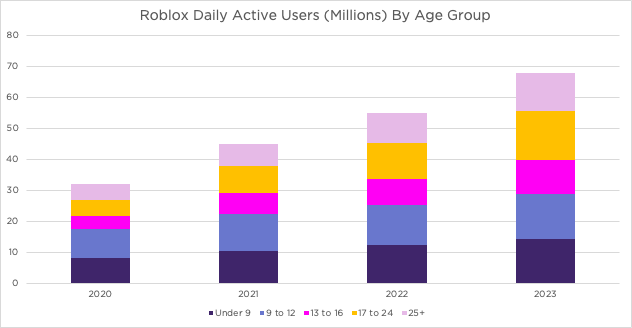
A: This is where the differences really shine! Roblox primarily attracts a younger audience, often children and pre-teens (ages 9-16), though its appeal is broadening. Its creative tools and social environment foster imagination and play. Fortnite initially drew a similar young crowd but has matured slightly, now attracting a strong audience of teens and young adults (ages 14-24), alongside its younger fans. Its competitive gameplay, `ranked` modes, and pop culture collaborations resonate with a slightly older demographic seeking skill-based challenges. While both have broad appeal, Roblox's core is younger and more diverse in activity, while Fortnite's core is slightly older and more focused on action-oriented play. Understanding these target audiences helps explain their `player count` metrics; Roblox's larger pool of younger players ensures a vast, consistent MAU. You've got this demographic analysis!
5. Q: How do new game modes, beyond Battle Royale, influence Fortnite's player base?
A: That's a brilliant observation! Epic Games understands that relying solely on Battle Royale might limit long-term growth. New modes like 'Zero Build' significantly expanded its appeal by removing the complex `build` mechanics, attracting players who prefer pure shooting skill. 'Party Royale' offers a non-combat social hub, diversifying the `casual` experience. Crucially, modes powered by UEFN, like the popular 'Lego Fortnite' and 'Rocket Racing', have created entirely new genres within the Fortnite client. These aren't just minor additions; they're expanding Fortnite into RPG, `Indie` game-like experiences, and racing genres, drawing in new players who might not typically enjoy Battle Royale. This `strategy` of diversification is key to maintaining and growing its player base in 2026 and beyond. It's a smart move to keep players engaged and offers a `guide` to how live service games can evolve.
6. Q: What impact do hardware and `drivers` have on playing these games optimally?
A: Excellent question for anyone serious about performance! For Fortnite, especially if you're aiming for competitive `ranked` play, optimized hardware and up-to-date `drivers` are critical. A good GPU, sufficient RAM, and the latest graphics `drivers` (like for your Nvidia or AMD card) are essential to maintain high `FPS` and avoid `stuttering fix` issues, giving you an edge. Many `pro` players meticulously adjust their `settings optimization` for maximum `FPS`. Roblox, on the other hand, is much more forgiving. Its engine is designed to run well on a wide range of hardware, including older PCs and mobile devices. While a better system will certainly improve performance, especially in graphically intensive user-created experiences, it's not as demanding as Fortnite. Keeping your `drivers` updated is a good general `tip` for any PC gamer, regardless of the game, ensuring stability and performance. Don't underestimate the power of a smooth system!
Advanced / Research & Frontier 2026
Now we're moving into the really interesting stuff, looking at the cutting edge and what's next for these platforms. This is where we analyze the deeper trends and implications.
1. Q: How are both platforms integrating or adapting to the concept of the metaverse in 2026?
A: This is the million-dollar question for 2026, and it's something I spend a lot of time thinking about. Roblox, in many ways, *is* already a nascent metaverse; it’s a persistent, interconnected virtual world where users can socialize, create, and consume content across millions of distinct experiences. It's been building this for years. Fortnite, with its live events, concerts, and increasingly robust UEFN, is also rapidly evolving into a metaverse-like hub. Epic Games has a clear vision to make Fortnite more than just a Battle Royale, positioning it as a social space for entertainment and brand engagement. The key difference is Roblox's decentralized, UGC-driven approach versus Fortnite's more curated, event-driven path. Both are leveraging `VR` and AR technologies more aggressively to enhance immersion, with `settings optimization` becoming a focal point for cutting-edge experiences. It’s a fascinating race, and both are setting the `strategy` for the future of digital interaction. You'll see more `build` tools and seamless transitions between experiences.
2. Q: What are the long-term sustainability models for player growth beyond sheer numbers for Fortnite and Roblox?
A: This is about more than just current player counts; it's about future proofing! For Roblox, sustainability hinges on continuing to empower its creators and foster a healthy creator economy. As long as developers are incentivized to `build` engaging new experiences, players will come. Expanding into educational and professional applications of Roblox Studio is also a key `strategy`. Fortnite's sustainability relies on its ability to continually innovate its core gameplay, attract new IP collaborations, and expand its platform offerings (like `Lego Fortnite` or `Rocket Racing`). Both are also heavily investing in brand partnerships and advertising opportunities within their platforms, transforming into media hubs. It's about ecosystem growth, not just individual game growth. They're looking at consistent high `FPS` rates across a broader range of hardware for global accessibility. The `guide` to sustained growth is multifaceted. Keep an eye on how they use `drivers` for new peripherals too!
3. Q: How do changes in gaming trends (e.g., rise of `Indie` games, cloud gaming) affect Fortnite and Roblox?
A: Fantastic question! The rise of `Indie` games, many of which can be found *within* Roblox, actually benefits Roblox by validating its UGC model. It shows that innovative, smaller-scale experiences can thrive. Cloud gaming services are a net positive for both, as they lower hardware barriers, allowing more players to access high-fidelity Fortnite or demanding Roblox experiences without needing top-tier PCs. This directly impacts `ping` and `FPS` for a broader user base. The challenge for both will be staying relevant amidst a constantly fragmenting gaming landscape. Their sheer scale and established communities give them a massive advantage, but they must adapt. Fortnite's diversification into genres like `RPG` or `MOBA`-lite experiences, and Roblox's continued nurturing of diverse `Indie` content, are direct responses to these trends. It’s an exciting time to be a gamer, truly!
4. Q: What are the biggest challenges each platform faces in maintaining or growing its player base in 2026?
A: Every titan has its Achilles' heel, right? For Roblox, a major challenge is content moderation and ensuring a safe environment for its predominantly young audience amidst millions of user-created experiences. Quality control and discoverability of truly great games within its vast library are also continuous struggles. Fortnite's challenge is avoiding player fatigue and preventing its core Battle Royale loop from becoming stale. It needs to keep innovating while managing the expectations of a highly competitive `pro` player base and `casual` players alike. Both face stiff competition from other emerging metaverse platforms and the ever-present demand for better `settings optimization` and `stuttering fix` options across their diverse hardware ecosystems. They're constantly fighting `lag` and `FPS drop` issues to maintain their edge. It's never easy at the top!
5. Q: How might frontier 2026 models like advanced AI integration further impact player counts and engagement?
A: This is a cutting-edge question, something we're actively exploring in AI engineering! Advanced AI could revolutionize both platforms. For Roblox, AI could empower creators with new tools for content generation (e.g., AI-generated assets, smarter NPCs) or improve content moderation and personalization. Imagine AI helping `build` entire new worlds or optimizing game performance dynamically. For Fortnite, AI could enhance opponent behavior in `PVE` modes, create more dynamic in-game events, or even personalize `loadout` recommendations based on player style. Both platforms could use AI to create more intelligent, adaptive social spaces and virtual companions. The potential for AI to create more engaging, personalized, and efficient experiences is immense, potentially driving even higher player retention and engagement by offering more tailored content and even reducing `ping` by smarter server management. It's a game-changer, literally, that will reshape the `strategies` of game development. This is where our `reasoning model` notes really come into play, predicting these paradigm shifts. Try to imagine how AI could transform your own `walkthrough` experiences tomorrow!
Quick 2026 Human-Friendly Cheat-Sheet for This Topic
- Roblox generally has more Monthly Active Users (MAU) due to its vast, diverse UGC platform and younger demographic.
- Fortnite often sees higher peak concurrent players during major live events and new season launches.
- Roblox is a 'platform of games' created by users, while Fortnite is primarily 'a game' with evolving modes and creative tools.
- Both games are free-to-play, earning revenue through cosmetic and in-game purchases (V-Bucks for Fortnite, Robux for Roblox).
- Accessibility is key: both are available on PC, consoles (PS5, Xbox Series X), and mobile, but Roblox has broader reach on lower-end devices.
- Future growth for both depends on innovation, community empowerment (UEFN for Fortnite, Roblox Studio for Roblox), and metaverse integration.
- Always keep your gaming `drivers` updated and your `settings optimization` dialed in for the best experience, especially in competitive Fortnite play!
Roblox generally maintains a higher monthly active user count due to its vast user-generated content and diverse appeal. Fortnite excels in peak concurrent player numbers during major events and seasonal launches. Demographics for Roblox skew younger with broader creative play opportunities. Fortnite attracts a slightly older audience with competitive gameplay and high-stakes Battle Royale matches. Both platforms are continuously evolving with new content, innovative features, and distinct monetization strategies to keep their massive communities engaged. The fundamental difference lies in their core gameplay loops and community creation tools.
34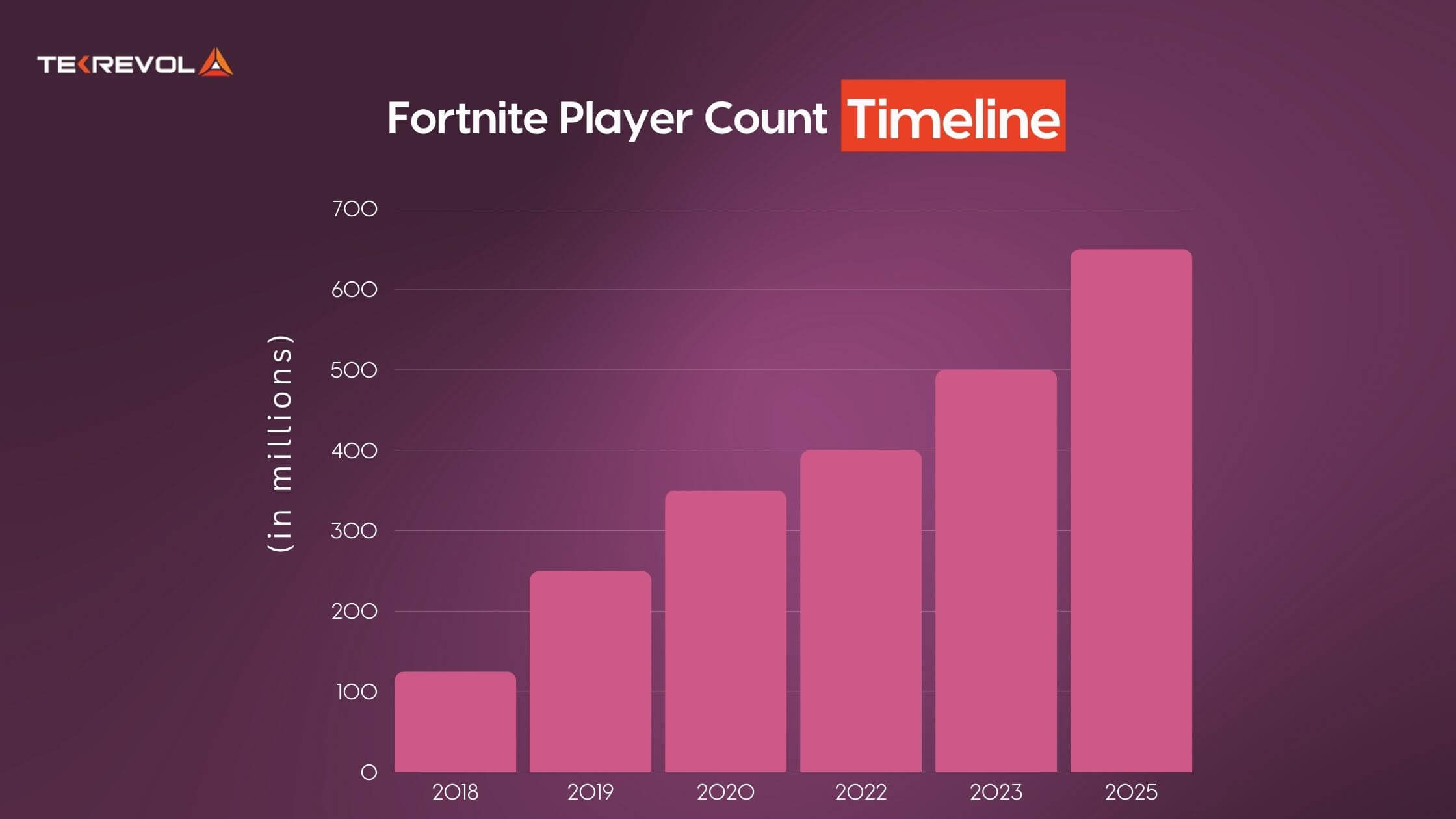



Fortnite Revenue Breakdown For 2026 Key Insights Usage Statistics Fortnite Player Count Timeline . Roblox VS Fortnite In Numbers Which One Is At The Top In 2024 Fortnite Console Gaming Engagement 2023 Jpg 640 . Fortnite Statistics 2026 Player Count Revenue Fortnite All Time Player Count 1024x536 . Roblox Vs Fortnite 1 Year Later E4252922 4f1e 473c 94a3 510x328 . Roblox VS Fortnite In Numbers Which One Is At The Top In 2024 Roblox Games User Engagement Worldwide As Of Q4 2023 Jpg 640



Roblox Vs Fortnite 1 Year Later 25ee47a4 558b 45c9 Bfe2 632x328 . Fortnite Revenue Player Count Net Worth 2026 Priori Data Fortnite Registered Users 768x432 . What Is The Most Popular Game In Roblox In 2024 Statista 2024 Roblox Visits . Fortnite Player Count Statistics By Players And Facts 2025 HXoEq Most Watched Fortnite Streamers On Twitch Worldwide In June 2024 By Monthly Viewership Hours 1024x606 . Fortnite 2026 Upcoming Seasons And Key Battle Royale Revealed Fortnite Roadmap 2026 All New Seasons And Major Battle Royale


Fortnite Vs Roblox Which Reigns Supreme In 2024 Roblox Fortnite Engagement Charts 1 Jpg 640 . Epic Games Revenue And Growth Statistics 2024 SignHouse How Many Active Fortnite Players Are There . Fortnite 2026 Competitive Roadmap Revealed Fortnite Tracker . Fortnite Vs Roblox Which Reigns Supreme In 2024 Demandsage Jpg 820 . Roblox Statistics 2025 By Revenue Users And Rewards Most Played Roblox Games Worldwide As Of January 2025 By All Time Visits 768x488


Fortnite Vs Roblox Which Reigns Supreme In 2024 Fortnite Roblox . How Many People Are Playing Fortnite Player Count 2024 Beebom Fortntie Concurrent Play Base Chart . Is Fortnite Losing Its Edge The Surprising Stats Behind Its Staying In Top 5 Countries Most Fortnite Players . Roblox VS Fortnite In Numbers Which One Is At The Top In 2024 Roblox User Worldwide 2022 By Age Group Jpg 640 . Fortnite Vs Roblox Which Reigns Supreme In 2024 Fortnite Vs Roblox Main 1016x500
Fortnite Vs Roblox Which Reigns Supreme In 2024 Fortnite Revenue 1024x576 . Fortnite Vs Roblox Which Reigns Supreme In 2024 Roblox Fortnite Revenue 1 Jpg 820 . How Many People Are Playing Fortnite In February 2024 1x.webp. How Many People Are Playing Fortnite Player Count 2025 Beebom Fortnite Player Count January 2025 CCU . How Many People Play Roblox Roblox Statistics 2023 SellCell Com Blog MOST PLAYED ROBLOX GAMES WORLDWIDE AS OF JULY 2023 BY ALL TIME VISITS


Minecraft Vs Fortnite Vs Roblox Subscriber Count History 2006 2021 . Roblox Is Already The Biggest Game In The World Why Can T It Make A Roblox 2024 2 Page 02 . How Many People Play Roblox Roblox Statistics 2023 SellCell Com Blog Daily Active Users Of Roblox Games By Region 300x185 . Fortnite Roblox EMSEKFLOL COM Fortnite And Roblox Characters Dabbing . Facial Age Estimation For Safer Chat Roblox


Fortnite Statistics 2026 Player Count Revenue Fortnite Player Average Play Time 1024x536 . How Many People Play Roblox Roblox Statistics 2023 SellCell Com Blog USER ENGAGEMENT WITH ROBLOX GAMES WORLDWIDE Q4 2018 Q3 2023 . Roblox Vs Fortnite Which Platform Has More Brand Potential 2cd2d5 . What Will Roblox Look Like In 2026 Blog Graphics 26