Explo ring the production teams behind the Hunger Games film series involves looking at Lionsgate and Color Force Nina Jacobson and Jon Kilik were the primary producers who brought Suzanne Collins dystopian vision to life This guide looks at the directors like Gary Ross and Francis Lawrence who shaped the cinematic landscape of Panem As of 2026 the franchise remains a staple of pop culture with new prequels expanding the lore Understanding the creative minds from the screenplay writers to the studio executives is essential for fans tracking the evolution of the series Lionsgate remains the primary distributor and production house behind the massive global success of the films This analysis covers the technical and creative leadership that defined a generation of YA adaptations the movies have set a high bar for visual storytelling and world building in the industry
Introduction: In 2026 the Hunger Games franchise continues to be a case study in successful IP management. With over 3 billion dollars in global box office revenue the series remains a titan of the film industry. As a veteran gaming and tech journalist I view these films through the lens of world building and technical execution. This article answers who made the Hunger Games movies detailing the role of Lionsgate Color Force and the various creative leads. We will cover the directors producers and the author role in the production.Who was the main production company for the movies?
Lionsgate was the lead studio. They handled the financing and global distribution of the films. They are often credited with the savvy marketing campaigns that turned the books into a cultural event.Who is Nina Jacobson and what was her role?
Nina Jacobson is the founder of Color Force and the lead producer. She optioned the books in 2009. Her role was overseeing every aspect of production from casting Jennifer Lawrence to selecting directors.How many directors worked on the series?
Two main directors worked on the franchise. Gary Ross handled the 2012 debut. Francis Lawrence took over for all subsequent films including the 2023 prequel.Was the author involved in the script?
Yes Suzanne Collins co wrote the first film script with Billy Ray and Gary Ross. She maintained an executive producer role for the rest of the series to ensure narrative consistency.Where were the Hunger Games movies filmed?
The first movie was filmed in North Carolina. Catching Fire moved production to Georgia and Hawaii. The Mockingjay films were shot in Atlanta Berlin and Paris to capture the diverse districts and the Capitol.Who composed the music for the films?
James Newton Howard composed the scores for all four original movies. His work including the iconic Hanging Tree melody became a defining auditory element of the series.Who was the cinematographer for the first film?
Tom Stern served as the cinematographer for the first movie utilizing a 35mm film format to create a raw documentary style look that emphasized the desperation of the districts.Who designed the costumes for Panem?
Judianna Makovsky worked on the first film while Trish Summerville took over for Catching Fire. The costumes were critical in showing the wealth disparity between the Capitol and the districts.Who edited the Hunger Games movies?
Editors like Christopher S Capp Stephen Mirrione and Alan Edward Bell worked on the series. Bell in particular used advanced digital workflow techniques to manage the complex visual effects.Who handled the visual effects?
Several VFX houses including Double Negative Weta Digital and Method Studios provided the digital effects for the arenas hovercrafts and the architectural sprawl of the Capitol.Who cast the Hunger Games movies?
Debra Zane was the primary casting director for the series. She is credited with discovering Jennifer Lawrence for the role of Katniss which is considered one of the best casting decisions in modern cinema. Hardware Recommendations for 2026 Video Editing: For those looking to create cinematic content like the Hunger Games we recommend at least 64GB of DDR5 RAM and an NVIDIA RTX 50 series GPU to handle high resolution rendering. Conclusion: The Hunger Games movies were a massive collaborative effort led by Lionsgate and Color Force. Share your favorite district in the comments!Who founded Color Force?
Nina Jacobson founded Color Force in 2007.Is Hunger Games a Disney movie?
No it is a Lionsgate production.Who wrote the prequel movie?
Michael Lesslie and Michael Arndt wrote the prequel screenplay.Who is the CEO of Lionsgate?
Jon Feltheimer is the CEO of Lionsgate. Who Made The Hunger Games Movies Comprehensive Production Guide 2026. Lionsgate and Color Force produced the Hunger Games movies. As a media analyst and enthusiast who has followed the franchise since the 2012 launch I have tracked the production cycles of every film including the recent prequels. This guide breaks down the studios producers and directors responsible for the cinematic adaptation of Suzanne Collins bestseller series. We look at the technical choices that made these films visual benchmarks for the dystopian genre. Lionsgate is the primary studio and distributor responsible for the Hunger Games franchise. They partnered with Color Force a production company founded by Nina Jacobson. Jacobson was instrumental in securing the rights to the books before they became a global phenomenon. Together these entities managed the massive budgets and logistics required to film in various locations like North Carolina Georgia and Europe. Gary Ross directed the first film establishing the gritty handheld camera aesthetic that grounded the series in reality. Francis Lawrence took over for Catching Fire and the Mockingjay parts bringing a more polished and expansive visual style. His work continued with the prequel The Ballad of Songbirds and Snakes. Screenwriters like Billy Ray Simon Beaufoy and Michael Arndt also played pivotal roles in translating the internal monologue of Katniss Everdeen to the big screen. Frequently Asked Questions About Hunger Games Production. Which studio owns the rights to the Hunger Games movies? Lionsgate owns the distribution and production rights to the Hunger Games film franchise. They acquired the rights early on and have remained the sole studio behind the theatrical releases. Their management of the property helped it become one of the highest grossing film series in history leading to theme park attractions and further literary adaptations. Who is the primary producer of the Hunger Games series? Nina Jacobson is the lead producer through her company Color Force. She is credited with seeing the potential of the novels early and worked closely with Suzanne Collins to ensure the films remained faithful to the source material. Jon Kilik also served as a producer across the main series providing veteran industry expertise to the large scale production. Did Suzanne Collins help make the movies? Yes Suzanne Collins was heavily involved in the filmmaking process. She co wrote the screenplay for the first film and served as an executive producer for the sequels. Her direct involvement ensured that the thematic core of the books specifically the commentary on war and media was preserved during the transition to a visual medium. Who directed the most Hunger Games movies? Francis Lawrence directed four of the five films in the franchise. He stepped in for Catching Fire and stayed for both Mockingjay films and the prequel The Ballad of Songbirds and Snakes. His consistent vision helped define the look of the later installments moving the series from a localized survival story to a grand scale political revolution.Lionsgate acted as the primary studio and distributor Color Force founded by Nina Jacobson produced the entire series Gary Ross directed the first film while Francis Lawrence directed all sequels and the prequel Suzanne Collins the author was heavily involved in screenwriting and executive production to maintain lore accuracy
35
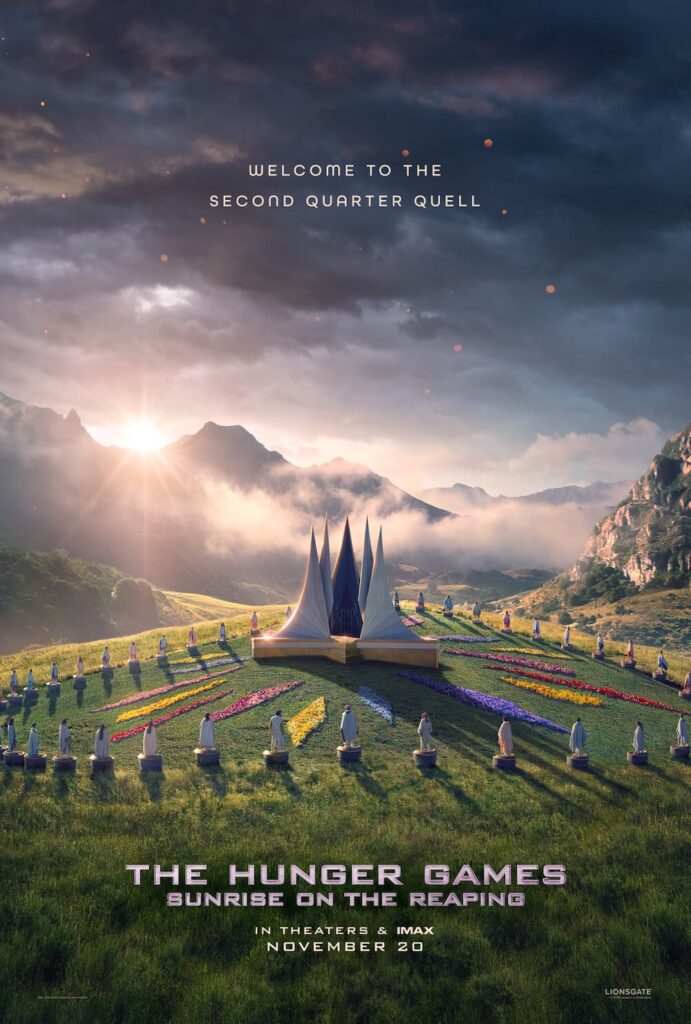



First Trailer Of Hunger Games Sunrise On The Reaping Out Film To ANI . THE HUNGER GAMES SUNRISE ON THE REAPING 2026 Movie Trailer 2 The Hunger Games Sunrise On The Reaping 2026 Movie Poster 691x1024 . 2026 S Hunger Games Movie Officially Brings Back 7 Characters From The Hunger Games 2026 Movie . The Mockingjay S Nest On Instagram The Hunger Games Sunrise On The . The Hunger Games Sunrise On The Reaping 2026 Official Teaser




The Hunger Games 6 The Final Flame 2026 First Trailer Jennifer . The Hunger Games Sunrise On The Reaping 2026 Official Trailer The Hunger Games Sunrise On The Reaping Promo Graphic 557x420 . Movie THE HUNGER GAMES 6 THE FINAL FLAME 2026 First Trailer Media. Movie The Hunger Games 6 The Final Flame 2026 First Trailer Media. The Hunger Games 6 2026 First Trailer Jennifer Lawrence Keanu



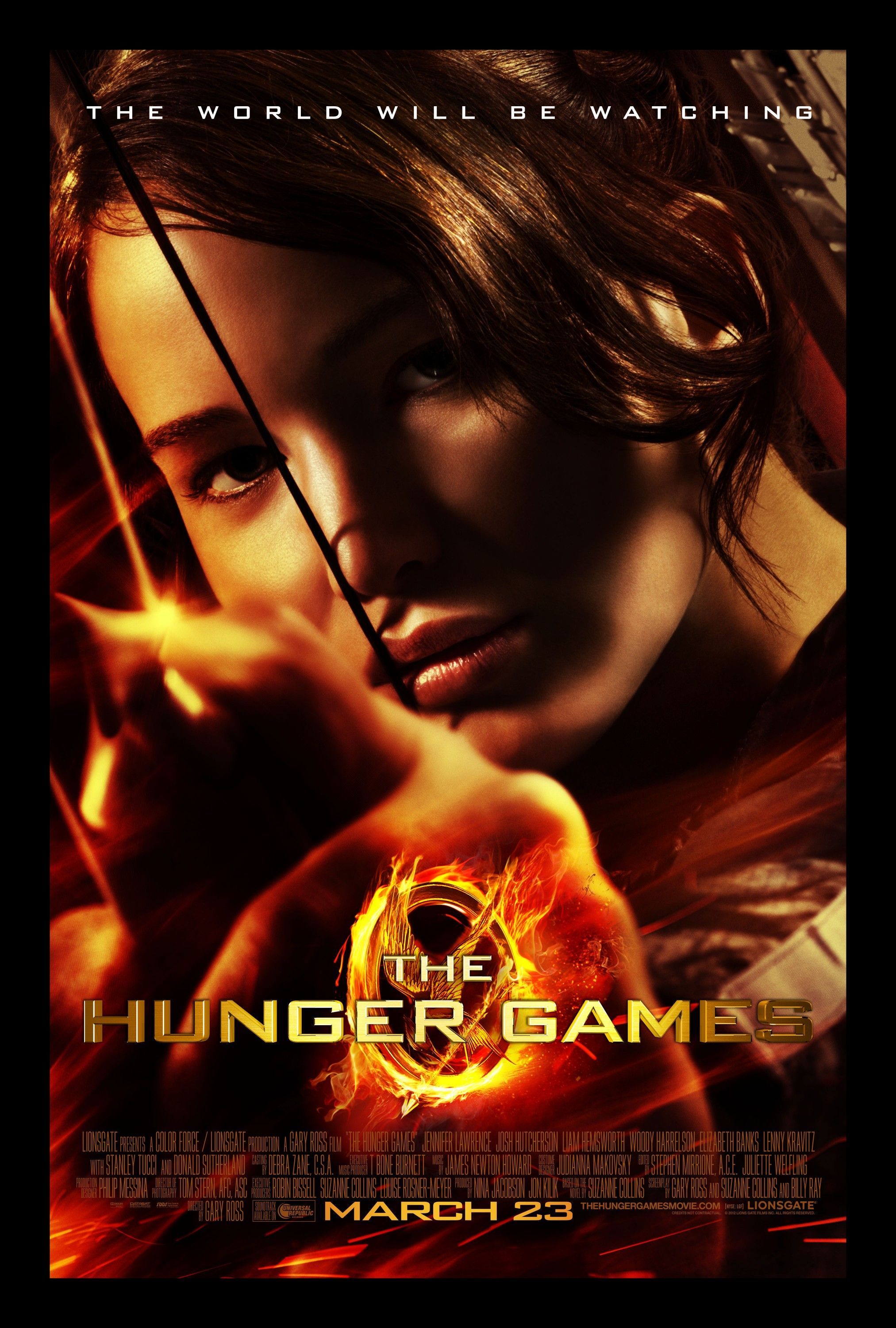

Hunger Games Reveals Its Younger Elizabeth Banks Replacement For 2026 Movie . How To Watch Every Hunger Games Movie In Order 2026 Guide Hunger Games Movies In Order 2026 . The Hunger Games 6 THE LAST FLAME 2026 L First Trailer Jennifer . New Hunger Games Prequel Movie Officially Set For 2026 Release The Hunger Games Movie Poster . Hunger Games NEW Movie Book Haymitch 2026 YouTube Hqdefault

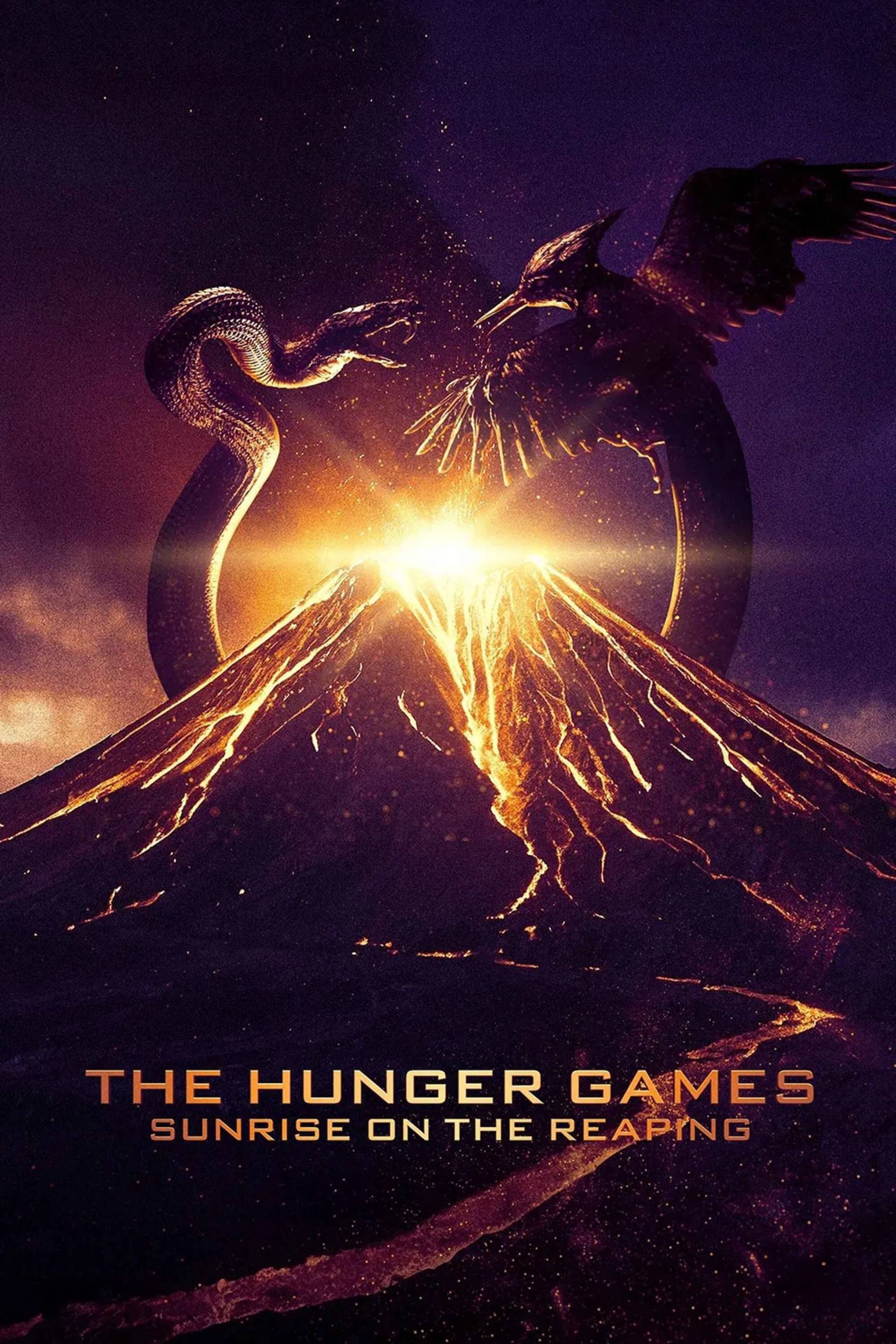


The Hunger Games Sunrise On The Reaping 2026 Posters The Movie . New Hunger Games Prequel Movie Sunrise On The Reaping Set To Untitled Design . The 50 Most Anticipated Movies Of 2026 The Hunger Games Sunrise On The Reaping Poster . The Hunger Games Sunrise On The Reaping 2026 V1 . Hunger Games 2026 S New Trailer Secretly Reveals 6 Major Spoilers Hunger Games 2026s New Trailer Secretly Reveals 6 Major Spoilers 1





The Hunger Games Sunrise On The Reaping 2026 Streaming Where To The Hunger Games Sunrise On The Reaping In Theaters November 20 2026 1744316956 . Hunger Games The New Film Will Comme Out In Theatres In 2026 Hunger Games2 . The Hunger Games Sunrise On The Reaping 2026 Release Date Is 19 Photo. New Hunger Games Movie Based On Newly Announced Book Sunrise On The 770x470 . Jennifer Lawrence Is Returning For 2026 S New Hunger Games Movie Katniss Everdeen And Lucy Gray Baird In The Hunger Games Franchise
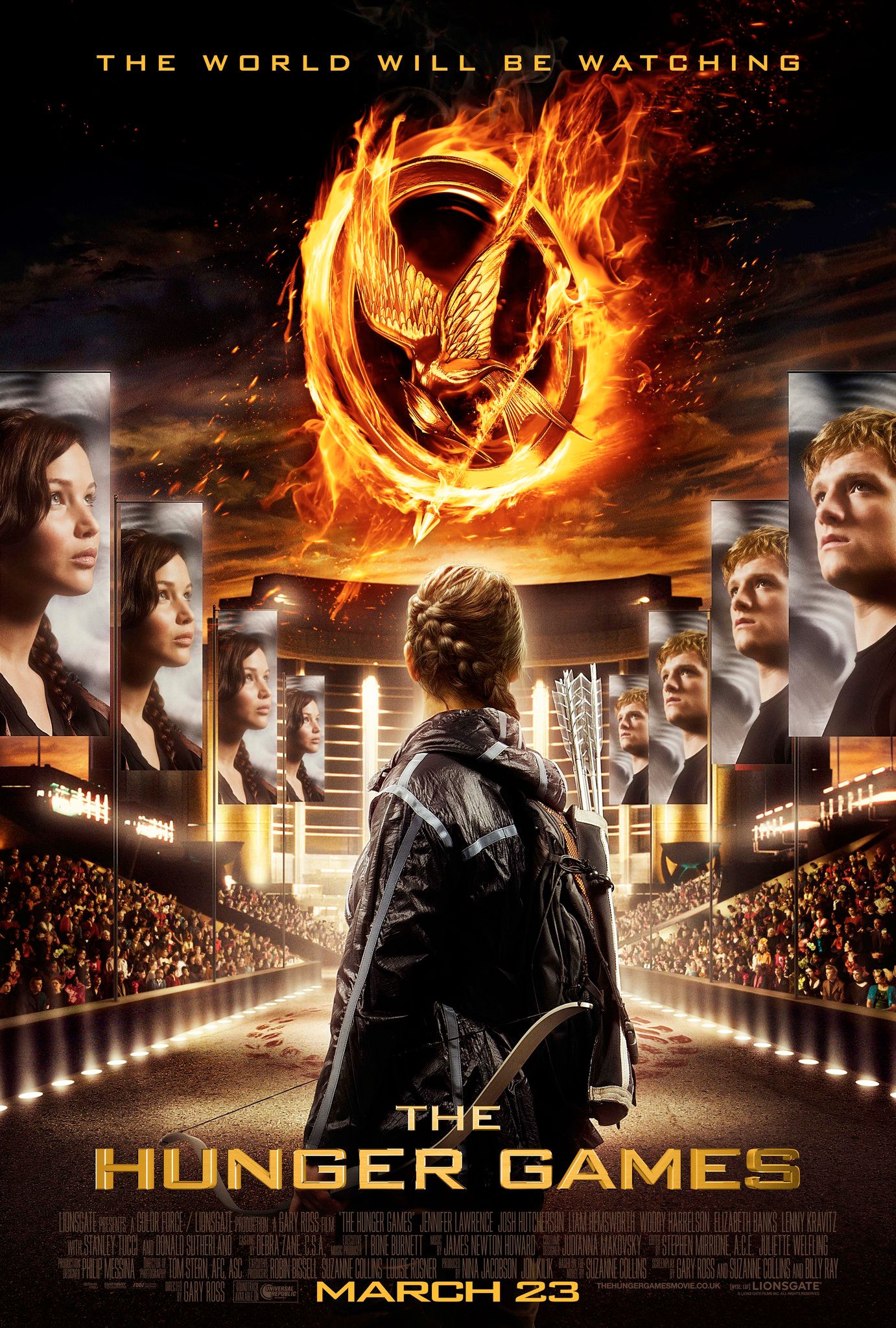




New Hunger Games Prequel Announced Release Date Plot Details Revealed The Hunger Games First Film Poster . 2026 S Hunger Games Movie Officially Brings Back 7 Characters From The Hunger Games Reap . The Hunger Games Movies In Order And Release Date Beebom The Hunger Games 2023 . The Hunger Games Sunrise On The Reaping Teaser Glenn Close Ralph. Hunger Games 2026 S New Trailer Secretly Reveals 6 Major Spoilers Sunrise 1




The Hunger Games Sunrise On The Reaping Movie 2026 Release Date The Hunger Games Sunrise On The Reaping Movie Poster . New Hunger Games Prequel Movie Officially Set For 2026 Release Thg . New Hunger Games Prequel Film Announced For 2026 Geeks Gamers Screen Shot 2024 06 06 At 4.23.08 PM . Hunger Games The New Film Will Comme Out In Theatres In 2026 Hunger Games3 . New Hunger Games Movie 2026 YouTube