Ever wondered exactly where Seattle is on the US map? This guide dives deep into Seattle Washington's prime location within the United States. You'll learn its precise spot in the Pacific Northwest, understanding its geographical context. We cover how Seattle's position influences its climate, economy, and unique culture. Discover major landmarks, navigation tips, and how digital maps help explore this vibrant city. This information helps travelers and curious minds pinpoint Seattle's importance. It's truly a hub in Washington state. Explore its captivating location today. We promise it's more than just a dot on the map. Find out how its coastal position shapes everything.
Latest Most Asked Questions about us map seattle washingtonWelcome to our ultimate living FAQ about Seattle, Washington, and its place on the US map! This guide is meticulously updated to bring you the freshest insights and answers to all your burning questions. We know navigating geographical information can sometimes feel a bit overwhelming, but don't sweat it. We've compiled the most common inquiries from fellow explorers, travelers, and curious minds. Whether you're planning a trip, researching for a project, or simply want to better understand this iconic Pacific Northwest city, you're in the right spot. Consider this your go-to resource for everything related to Seattle's location, its geographical significance, and how to best understand it on a map. Let's dive into what people are asking right now!
General Location Queries
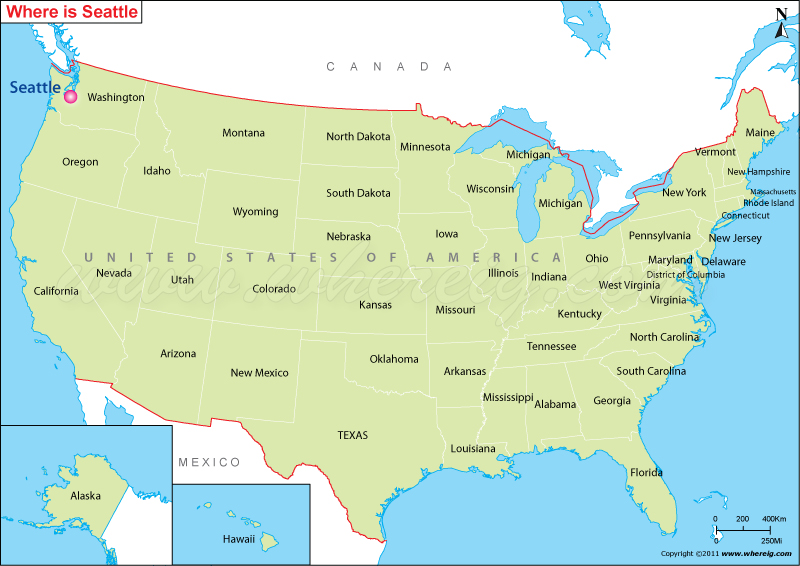
Where is Seattle located on a US map?
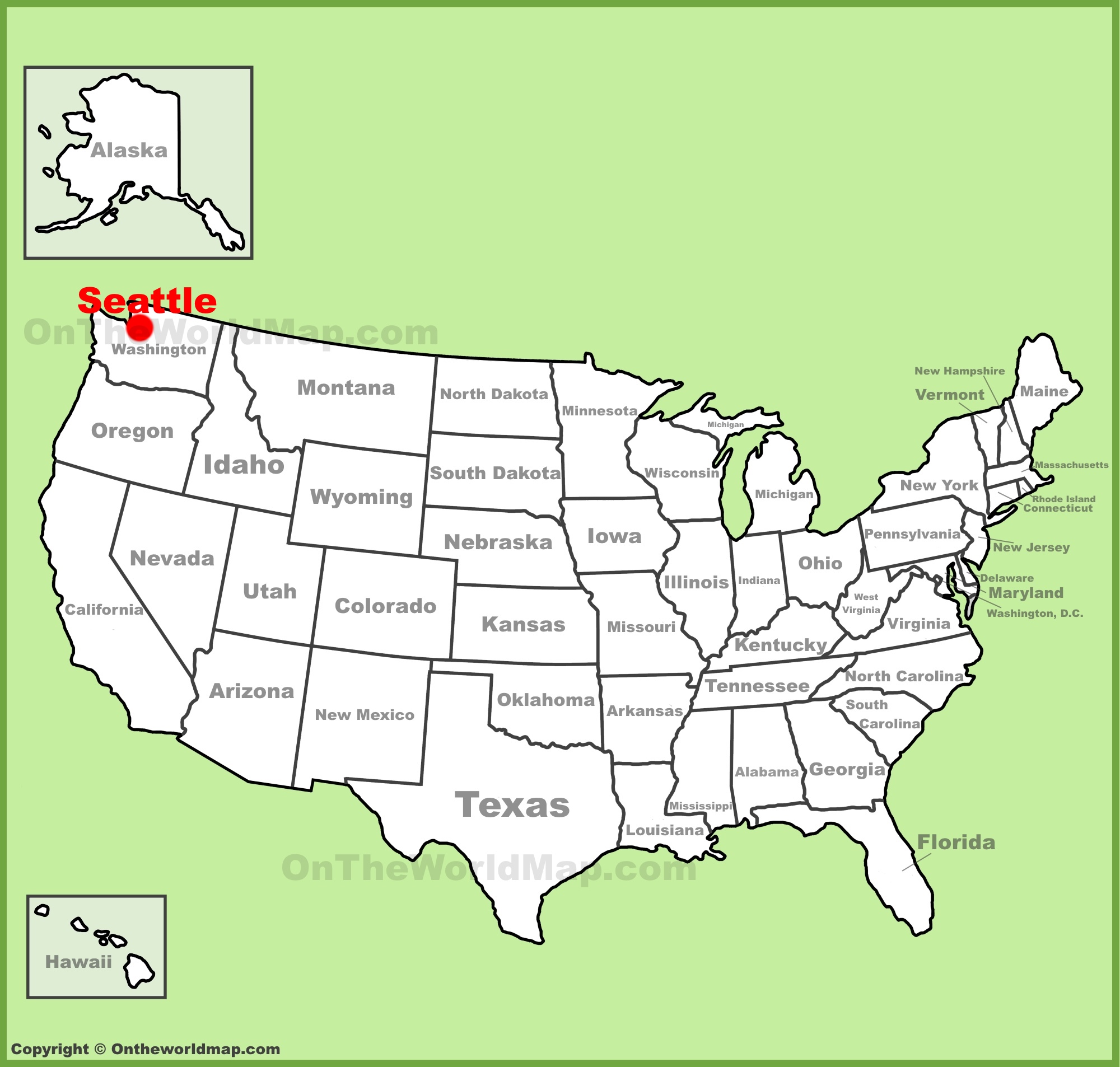
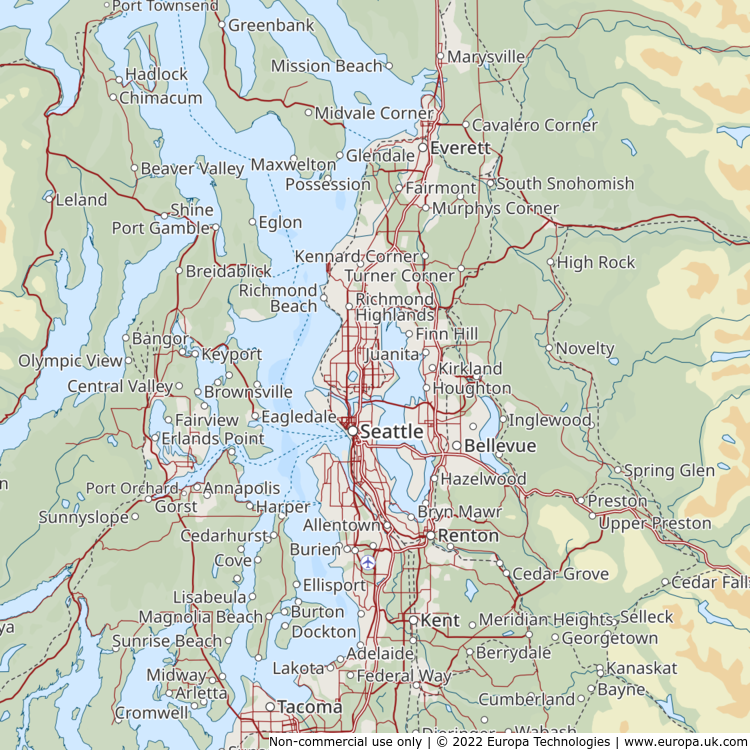
Seattle is prominently located in the northwestern corner of the continental United States. It sits within Washington State, specifically on the shores of Puget Sound. This positions it as a major coastal city with direct access to the Pacific Ocean, making it a key hub in the Pacific Northwest region. Its geographic coordinates typically place it around 47.6062° N latitude and 122.3321° W longitude.
What state is Seattle in?
Seattle is the largest city in the state of Washington. This state is often confused with Washington D.C., but they are distinct. Washington State is on the West Coast, bordering Canada to the north, Oregon to the south, and Idaho to the east. Seattle acts as the county seat of King County within this state.
Travel and Navigation
How far is Seattle from the Canadian border?
Seattle is approximately 110-120 miles (177-193 kilometers) south of the Canadian border. The primary crossing point is at Blaine, Washington, leading to Vancouver, British Columbia. The drive typically takes about 2-3 hours, depending heavily on traffic and border crossing times. It makes for an easy international day trip or weekend getaway.
What's the best way to get around Seattle?
Navigating Seattle is quite diverse, offering several convenient options. Public transit, including the Link Light Rail, buses, and streetcars, is efficient for many areas. Ride-sharing services are widely available, and walking is excellent for exploring specific neighborhoods. Driving can be challenging due to hills and traffic, but a car is useful for venturing outside the city center. Many visitors also enjoy using ferries for scenic travel across Puget Sound.
Seattle's Environment
What are the major geographical features around Seattle?
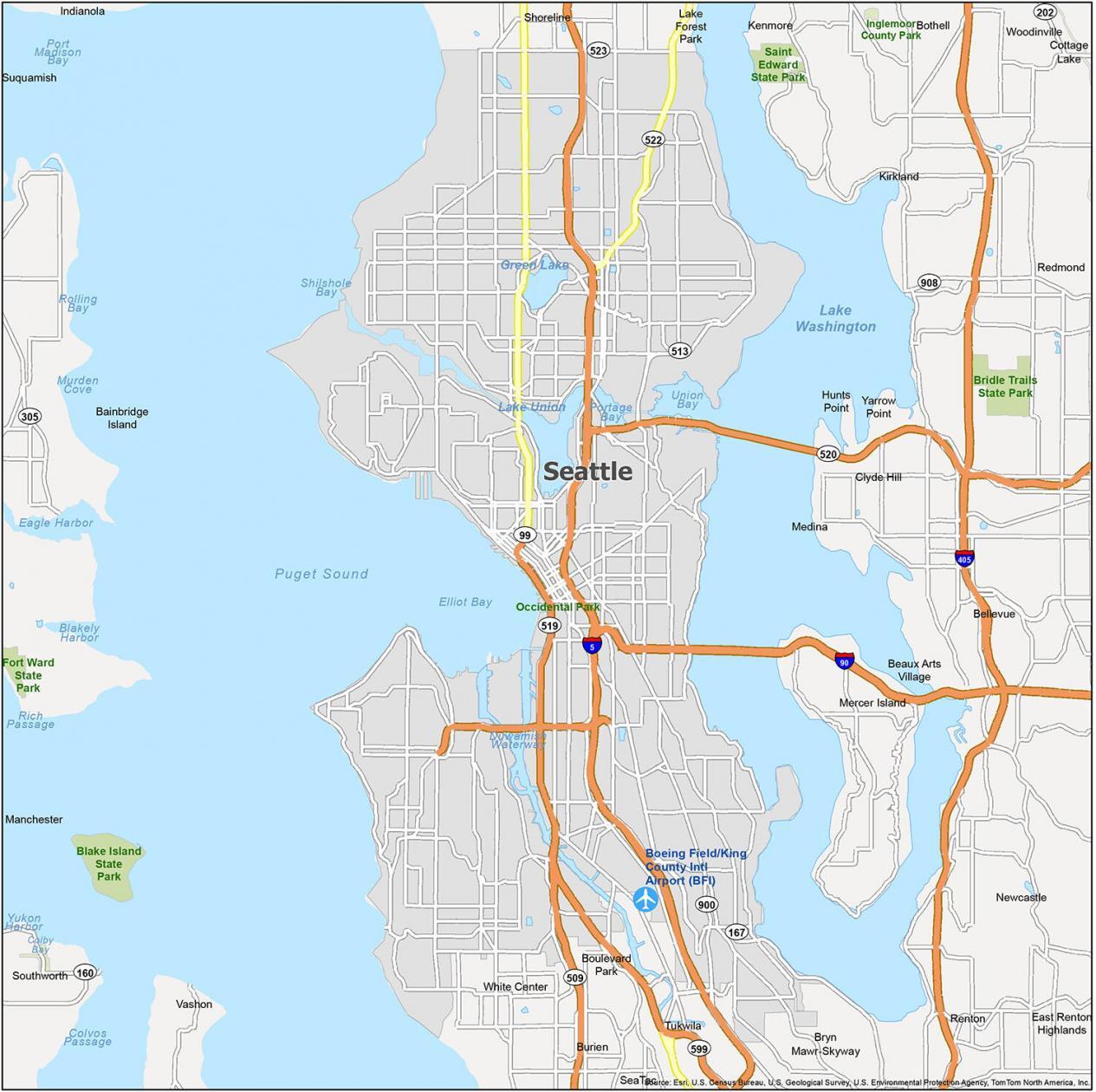
Seattle is surrounded by stunning geographical features. To its west lies Puget Sound and the Olympic Mountains, while the Cascade Range, with prominent peaks like Mount Rainier, forms its eastern backdrop. Within the city, you find fresh water bodies like Lake Union and Lake Washington. These diverse landscapes contribute to Seattle's unique climate and abundant outdoor recreational opportunities.
Is Seattle part of the Pacific Northwest region?
Absolutely, Seattle is a quintessential part of the Pacific Northwest. This region encompasses Washington, Oregon, and parts of Idaho and British Columbia, Canada. Seattle embodies the PNW's characteristics with its mild, wet climate, lush evergreen forests, strong coffee culture, and a distinct emphasis on outdoor activities and environmental consciousness. Its identity is deeply intertwined with this regional affiliation.
Economic Importance
What is Puget Sound known for in relation to Seattle?
Puget Sound is integral to Seattle's identity and economy. It's a vast inlet of the Pacific Ocean, providing a deep-water port that's crucial for international trade, particularly with Asia. The Sound also supports a rich marine ecosystem, impacting local fishing and recreation. Moreover, it's a vital transportation artery with a robust ferry system connecting Seattle to surrounding islands and peninsulas.
What are Seattle's key economic drivers influenced by its location?
Seattle's location as a major Pacific port and a gateway to Asia has historically fueled its economy, particularly in trade and shipping. Its position in the Pacific Northwest also fostered early industries like timber and aerospace. Today, its proximity to major universities and a skilled workforce, coupled with its international connections, makes it a global hub for technology (Amazon, Microsoft) and biotechnology, thriving on innovation and global commerce.
Planning a Visit
What climate can I expect in Seattle based on its location?
Seattle's location grants it a mild, oceanic climate. You can expect wet, mild winters with frequent, light rain rather than heavy snow, and relatively dry, warm summers. The marine influence keeps temperatures moderate year-round. While often cloudy, the city does experience clear, beautiful days, especially during late summer and early autumn. Pack layers and a good rain jacket if visiting outside of peak summer months.
Washington State Overview
Are there any islands near Seattle shown on a map?
Yes, numerous beautiful islands are near Seattle and visible on a map of Puget Sound. Bainbridge Island and Vashon Island are easily accessible via Washington State Ferries from downtown Seattle. Further north, the San Juan Islands offer stunning scenery and wildlife, though they require a longer ferry ride or small plane. These islands provide popular escapes for recreation and scenic beauty. Still have questions? What specifically about Seattle's geography is puzzling you the most right now?
Honestly, have you ever found yourself staring at a US map, wondering exactly where Seattle, Washington, truly fits in? It's a pretty common question, I think, especially with all the buzz around the city. We've all been there, right? Trying to pinpoint places with so many states and cities. So, let's just break it down together, shall we? You'll be a Seattle map expert in no time.
Understanding Seattle's Prime Location
Seattle sits proudly in the Pacific Northwest, a region famed for its lush landscapes. This vibrant city is a significant part of Washington state, a beautiful corner of the country. Its specific spot on the map tells a fascinating story. Understanding this helps you really grasp its essence.
Where Seattle Sits in Washington State
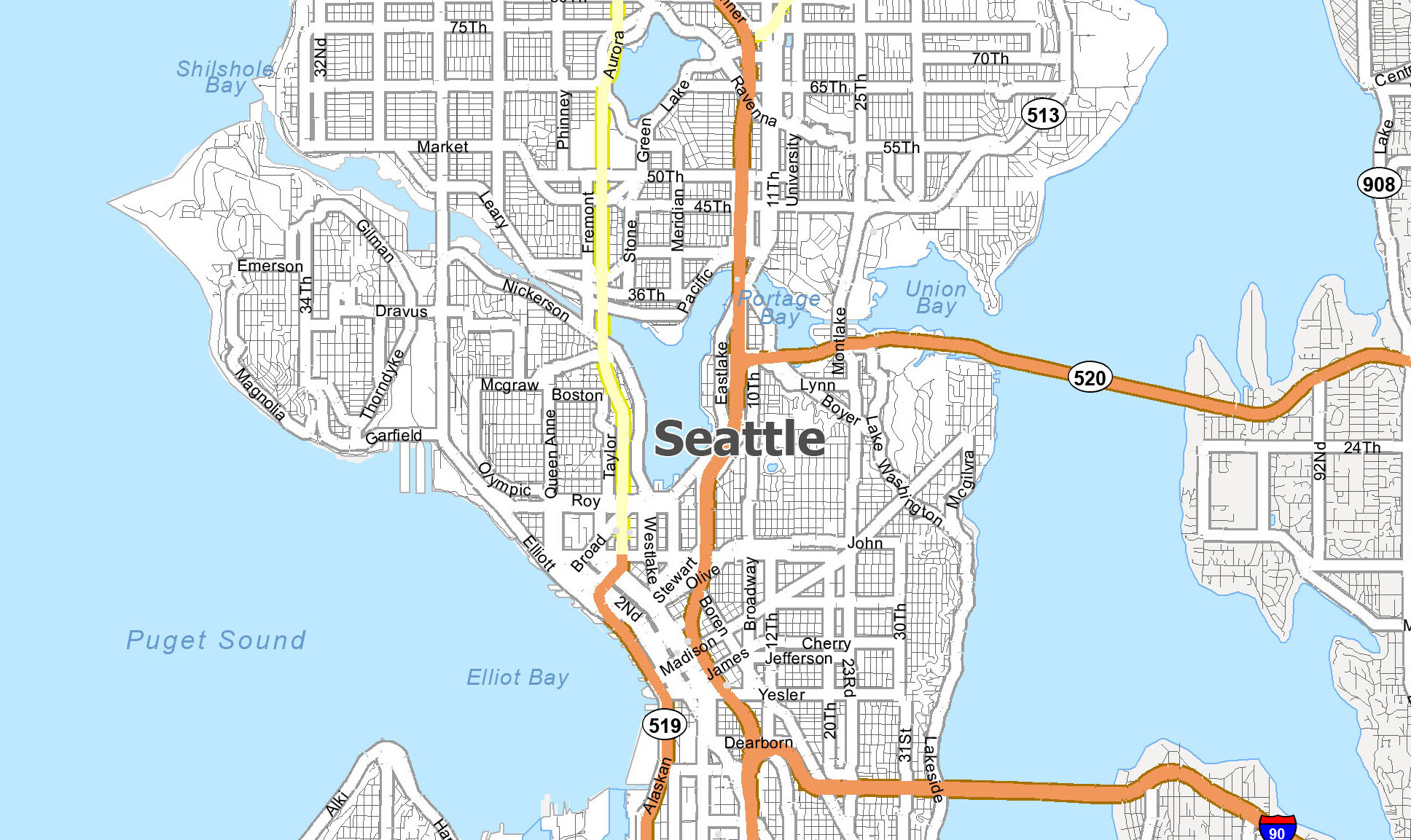
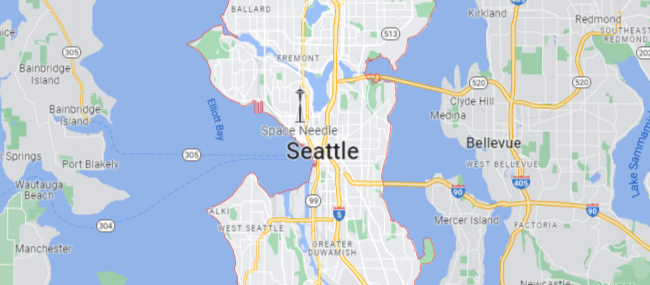
So, picture Washington state on your map, usually in the top left. Seattle is quite prominent there, sitting comfortably on the western side. It's nestled right along the shores of Puget Sound, an expansive inlet of the Pacific Ocean. This gives it that iconic waterfront vibe. The city serves as the county seat of King County, actually. It’s the largest city in both the state and the entire Pacific Northwest region, which is pretty impressive, if you ask me.
You'll notice it’s not too far from the Olympic Mountains to the west. And then you have the Cascade Mountains stretching along the eastern horizon. This unique geographical positioning shapes a lot of Seattle’s character. It influences everything from its weather to outdoor activities. It's quite a scenic place, truly.
Its Place on the Broader US Map
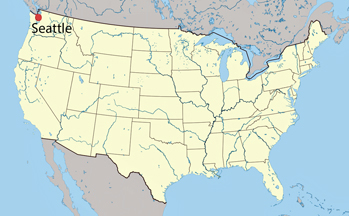
When you zoom out to the full US map, Seattle appears as a major dot in the upper left quadrant. It's one of the northernmost large cities in the continental United States. This proximity to the Canadian border is pretty significant, actually. It means easy access to Vancouver, British Columbia, just a few hours' drive north. This location makes Seattle a key gateway for trade and travel. Its position on the Pacific coast also makes it a vital port. It connects the US to Asian markets, facilitating a lot of international commerce. It's truly an international hub.
Navigating Seattle's Geography and Landmarks
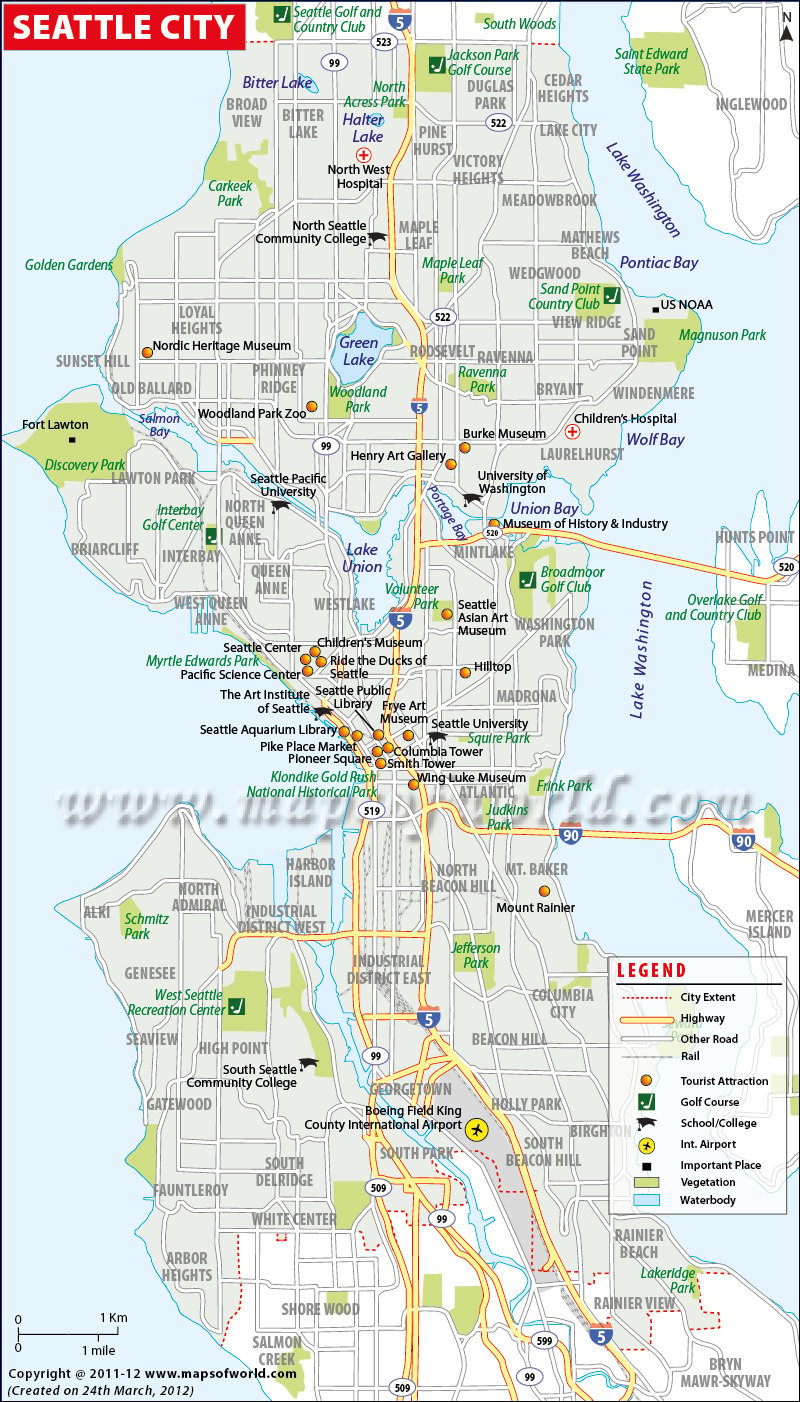
Getting a handle on Seattle's layout is much easier once you understand its unique geography. It’s not just flat land, trust me. The city is actually built on several hills, which adds to its charm and complexity. These topographical features often mean some pretty steep streets. That's something you notice when you're walking around. You'll want sturdy shoes, for sure.
Key Geographical Features Puget Sound, mountains
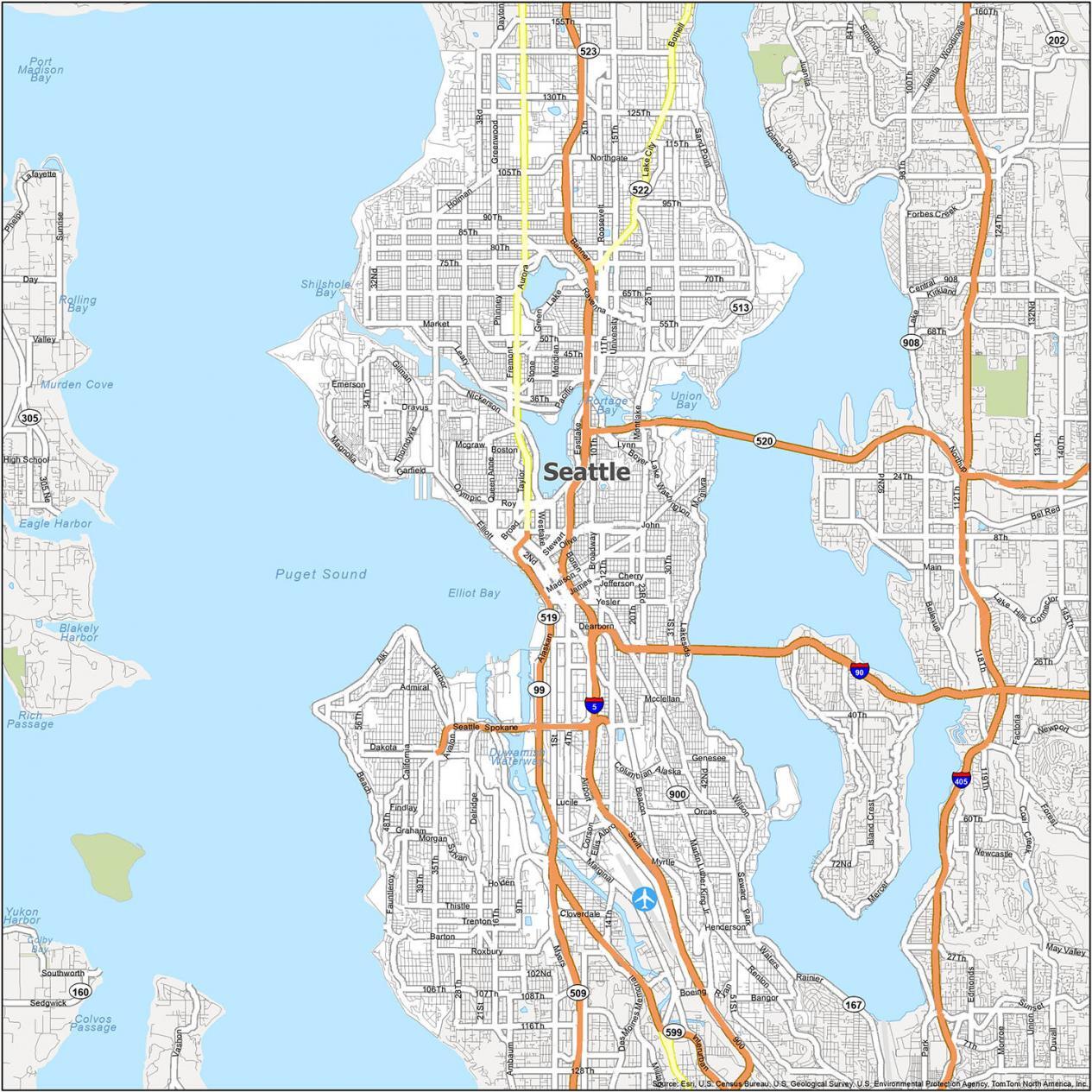
The Puget Sound is absolutely central to Seattle's identity, I think. It's a complex system of waterways and islands. You can find many ferries crisscrossing the Sound daily. This network connects Seattle with various island communities and the Kitsap Peninsula. Then you have the two majestic mountain ranges. The Olympic Mountains block some of the harsher Pacific weather. The Cascades provide a stunning backdrop, creating a rain shadow effect. This sometimes makes areas east of Seattle surprisingly drier. Lakes Washington and Union are also significant. They are right within the city limits and offer ample recreational opportunities. Honestly, the natural beauty here is just insane.
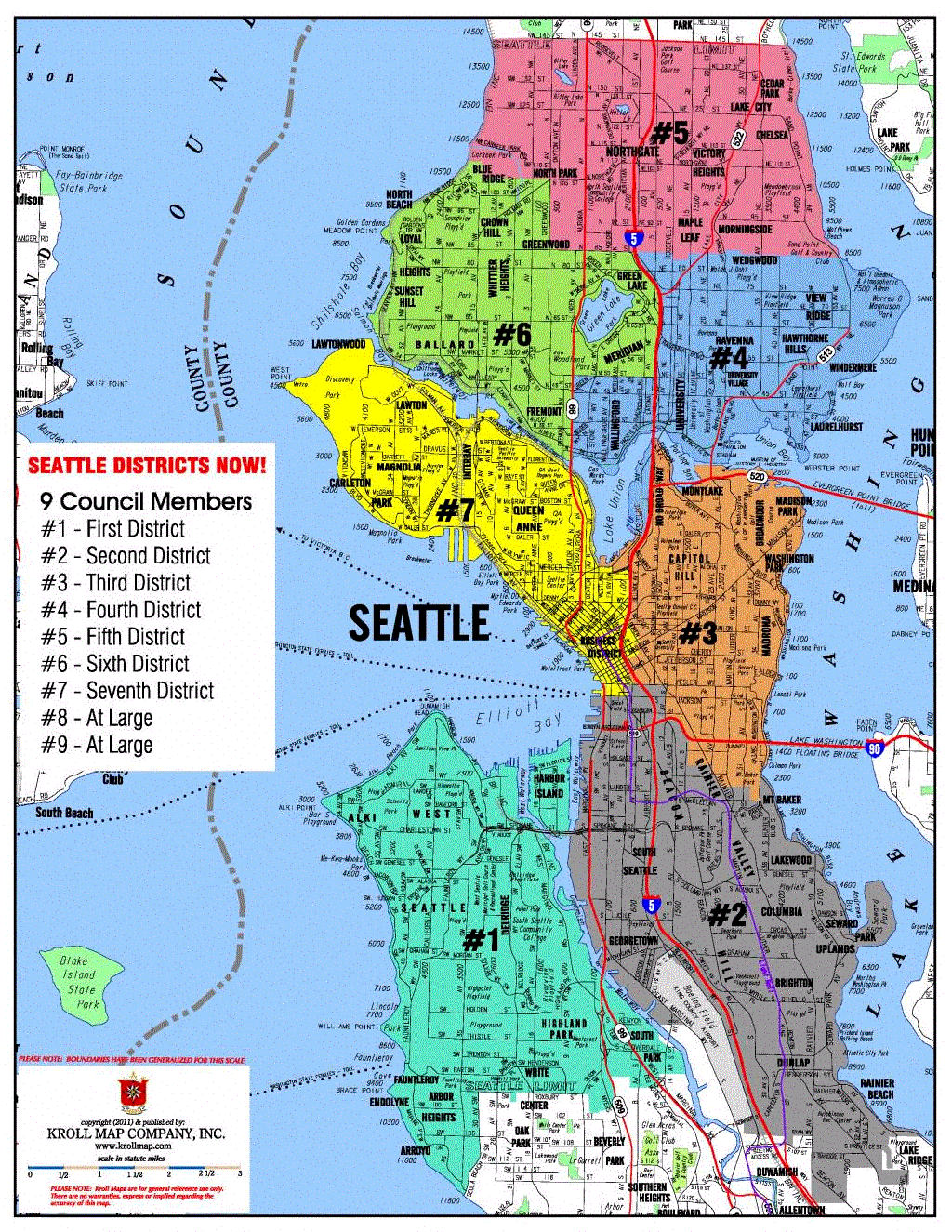
Major City Districts and Attractions Space Needle, Pike Place
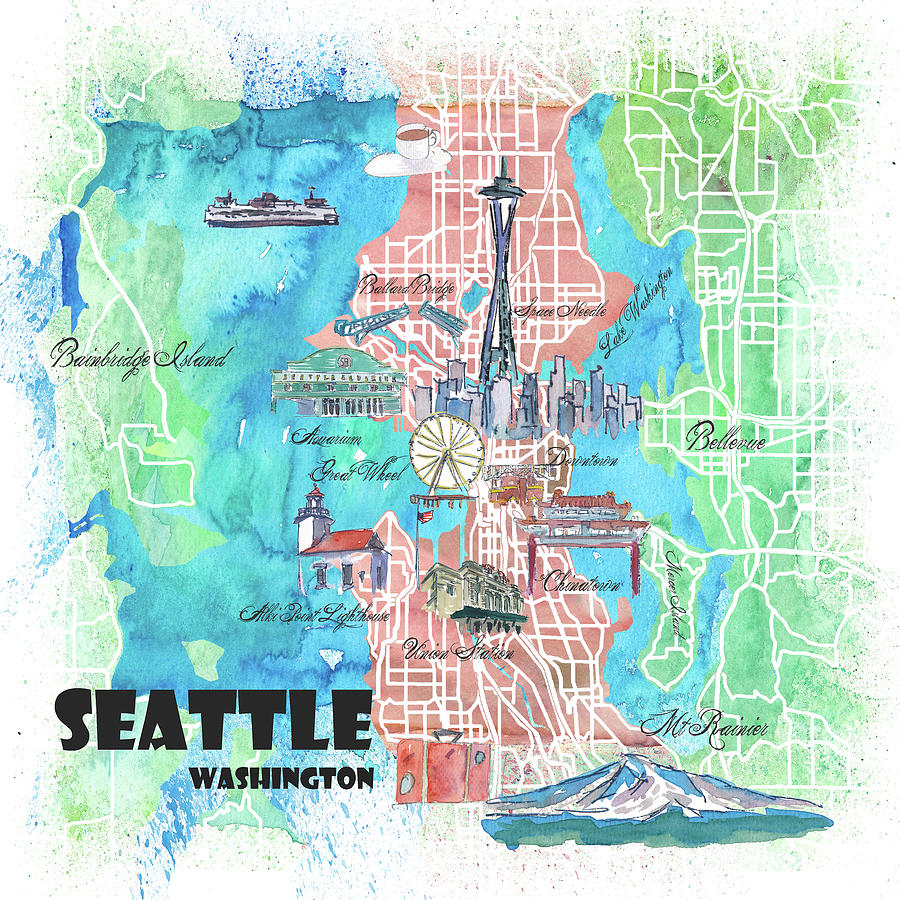
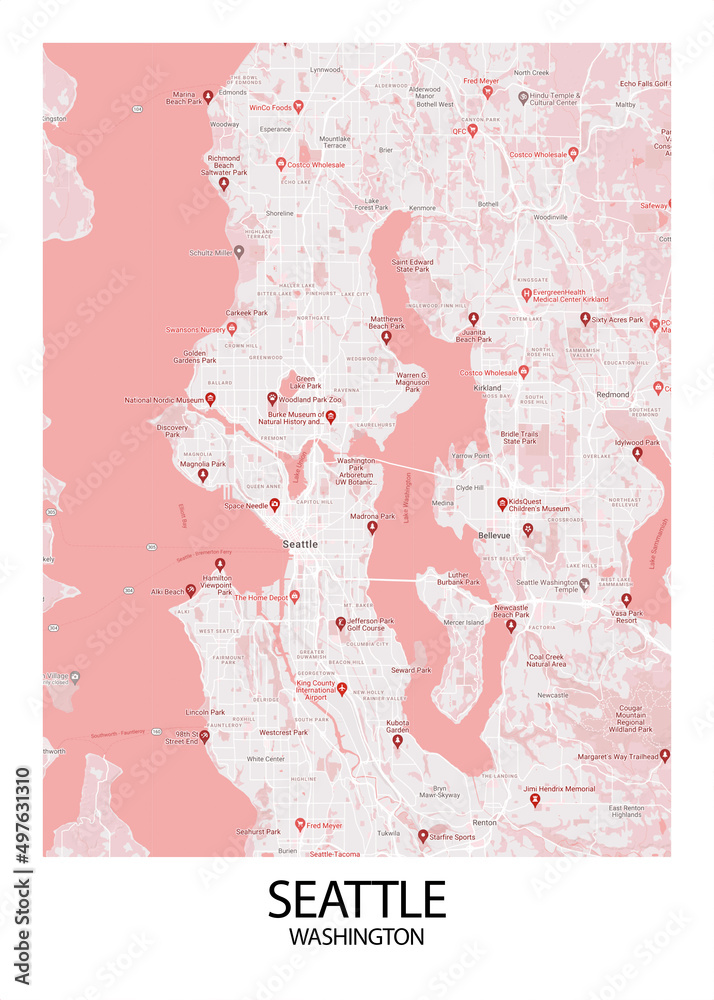
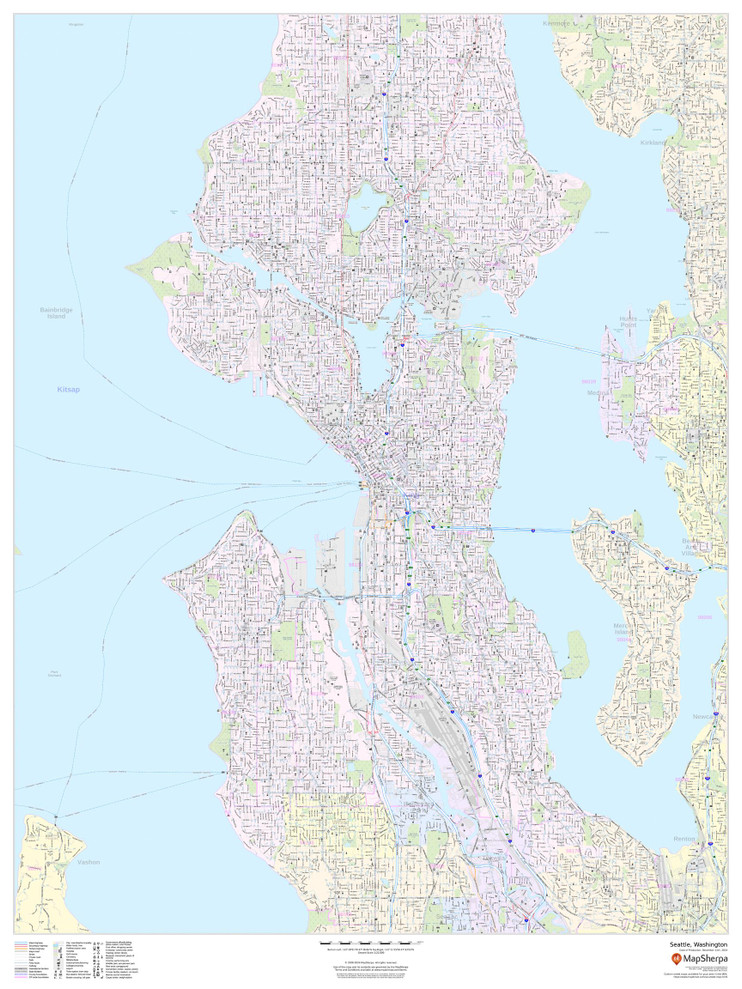
On any map of Seattle, some landmarks just pop out. The Space Needle, for instance, is an iconic structure. It perfectly anchors the downtown skyline, offering breathtaking panoramic views. Pike Place Market is another must-see, located right on the waterfront. It’s this bustling, historic market that truly captures the city's spirit. You’ll find fresh seafood and local crafts there. The Emerald City has distinct neighborhoods, each with its own flavor. Capitol Hill is known for its nightlife and culture. Fremont boasts quirky public art and independent shops. Exploring these areas often requires a good map. It really helps you get around easily.
Why Seattle's Location Matters
Seattle’s unique position isn't just about pretty views or geographical quirks; it truly shapes almost every aspect of the city. From its booming tech industry to its famously green environment, location plays a starring role. Honestly, it’s fascinating how much impact a spot on the map can have.
Economic and Cultural Impact
The city's Pacific Rim location has historically made it a hub for trade and innovation. This has attracted major global companies, especially in tech and aerospace. Think about it: Amazon, Microsoft, and Boeing all have deep roots here. This has fostered a dynamic, globally-minded culture. Seattle’s port is one of the busiest in the nation, too. It facilitates immense international commerce. The arts scene here also thrives, often influenced by its diverse population and connection to nature. It's a place where innovation and creativity really seem to collide, I think.
Climate and Environment
Everybody talks about Seattle's rain, right? Well, its Puget Sound location is largely responsible for that. The marine influence brings mild, wet winters and relatively cool, dry summers. The mountains create unique microclimates. The Olympic Mountains, for example, cast a rain shadow. This makes areas to the east drier than the coast. This consistent moisture contributes to the lush, green landscapes we all associate with the Pacific Northwest. It's why they call it the Emerald City. It’s a truly unique climate, honestly, that impacts daily life. People here embrace the outdoors, rain or shine. That's just how it is.
Practical Tips for Using Maps in Seattle
Navigating Seattle, especially for the first time, can feel a little daunting with all its hills and distinct neighborhoods. But honestly, with the right map tools and a bit of planning, you've got this. I've tried this myself, and it makes a huge difference.
Digital vs. Physical Maps
For most people these days, digital maps are the go-to for navigating Seattle. Apps like Google Maps or Apple Maps offer real-time traffic updates. They also provide public transit options, and walking directions. They’re super convenient on the fly, and I'm sure you've used them. But honestly, don't completely discount physical maps, especially for a broader overview or if you're exploring areas with spotty cell service. A good old-fashioned paper map can sometimes help you visualize the overall layout better. I always grab one if I’m going to be out and about all day. It's a nice backup.
Transportation and Commuting
Seattle's public transportation system, King County Metro, is pretty extensive. It includes buses, streetcars, and the Link light rail. Using a map app to plan your routes is usually the easiest way to go. These apps can even tell you when the next bus is arriving. For those driving, beware of rush hour traffic, it can be intense. The city's hilly terrain can make walking a good workout, but it’s a great way to explore. Biking is also popular, with dedicated lanes in many areas. Just remember those hills! Always check your map for elevation changes. What exactly are you trying to achieve on your trip? Knowing that will help you pick the best transport.
So, there you have it – a pretty solid overview of Seattle, Washington, on the US map. It's not just a point, but a dynamic place shaped by its incredible location. Understanding its geography really opens up a new appreciation for the city, doesn't it? Whether you're planning a visit or just curious, I hope this helped clear things up. Does that make sense? Happy exploring!
Seattle is a major city in Washington State, positioned prominently in the Pacific Northwest region of the US. It's located on Puget Sound, an inlet of the Pacific Ocean, making it a significant port city. Its proximity to the Canadian border is also a key geographical feature. The city is flanked by mountains, influencing its distinctive weather patterns and stunning natural scenery. Its location is crucial for understanding its economic and cultural identity.
35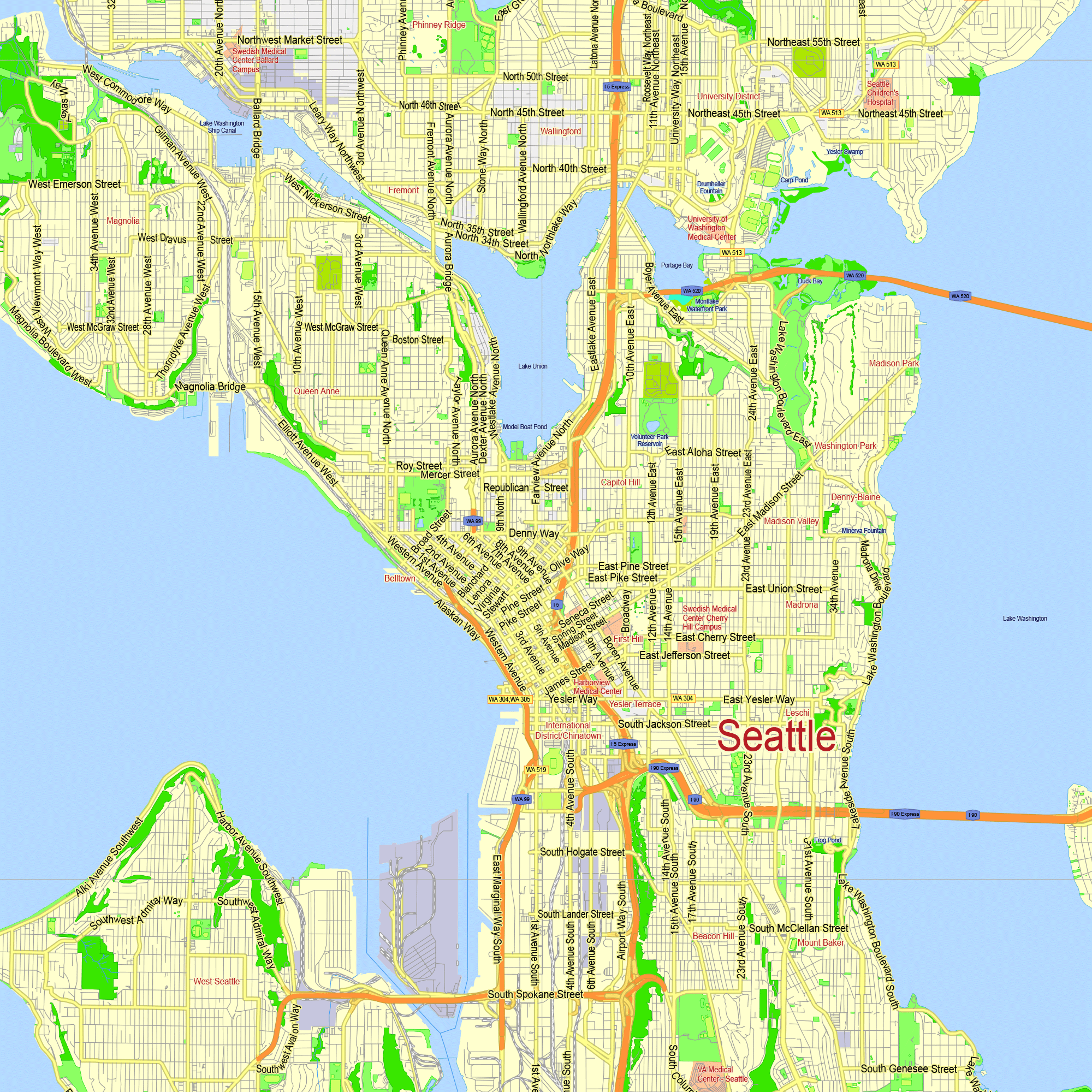
Seattle Washington US Editable Layered PDF Vector Map Printable Map Seattle Wa Us Gvl13 10 Ai Pdf 1 . Washington Political And State Legislative Wall Maps State Political Maps WA State Senate 2025 2026 1 1080x . Seattle Location On The U S Map Seattle Location On The Us Map . Map Of Seattle Washington And Alaska Seattle Map Feature . Seattle Washington Map United States Seattle Washington Map Usa

Seattle Washington US Editable Layered PDF Vector Map Version 22 Printable Map Seattle Wa Region G View Level 13 Ai 1 . Seattle Map ToursMaps Com Seattle Washington Map 14 . Seattle Map With Landmarks And Cities Seattle 100km Gmap Regional Thumb 1024 . Seattle Map With Landmarks And Cities City Map Seattle Washington City Map Seattle Washington United States 269475926 . Map Of Seattle Washington GIS Geography Seattle Road Map 1265x1265


The Last Of Us Seattle Map Locations At Ellie Roseby Blog Seattle Washington Illustrated Map With Main Roads Landmarks And Highlights M Bleichner . City Road Map Seattle Wa 278 . Seattle District Cut Out Stock Images Pictures Alamy Seattle Map American City Municipal Area Map With Rivers And Roads Parks And Railways Vector 2RWM752 . Road Map Seattle Washington State Save These 20 Places To See On A 61 OLR3kYrL. AC UF1000,1000 QL80 . 194 Seattle Washington Map High Res Vector Graphics Getty Images Seattle Washington Us City Street Map



Seattle Map Metsker Maps KRO . Seattle Map Com Seattle Map 0 . Seattle US Map Your Ultimate Guide This Week Map Of Seattle United States . 194 Seattle Washington Map High Res Vector Graphics Getty Images Seattle Washington Vector Map . Seattle Washington United States Street Map Stock Vector Seattle Washington United States Street Map Seattle Washington United States Street Map Vector Image Marketing Digital Product 308314859



City Map Of Seattle Washington Stock Of City Map Seattle Washington United States City Map Seattle Washington 269475933 . Seattle Washington Map 1000 F 497631310 . Seattle Map With Vector Com 275799611 Editable Vector Poster Map Seattle Washington Showcasing Detailed Street Layouts Main Roads Landmarks Gray 344213674 . Seattle Washington Portrait Wall Map Str Seattle P Large . February 2017 Usa Map Guide 2016 Seattle Road Map Roads Capital Us State Washington 66665207

Seattle Tacoma WA Warehouse Space For Rent AWCO Seattle WA . SEATTLE WASHINGTON MAP Glossy Poster Picture Photo Banner Print Road . Printable Maps Of Seattle Seattle City . Where Is Seattle WA Seattle On The US Map Geography And Facts Seattle Location Map . Seattle Washington Page 1 Of 2 Usa Map Seattle



VistaCreate Stock Vector Outline City Map Seattle Washington United States. Seattle Washington Vector Map Stock Download Image Now Seattle Washington Vector Map . Printable Map Of USA With State Free Printable United States Map With Seattle City Map United States Municipal Borders Black And White Area Map With Rivers And Roads Parks And Railways Vector Illustra 2RRJ3CC . Seattle Map GIS Geography Seattle Map Washington 1265x1260 . Seattle Map With Vector Com 275799611 Editable Vector Poster Map Seattle Washington Showcasing Detailed Street Layouts Main Roads Landmarks 344213637